JOOTRH deploys automated blood analyzer to cut transfusion screening to 35 minutes
The new technology can complete blood screening within 20 to 35 minutes using advanced antigen-antibody detection methods, enabling clinicians to access safe blood more quickly for emergency and routine transfusions.
Updated
KENYA—Jaramogi Oginga Odinga Teaching and Referral Hospital (JOOTRH) is enhancing blood safety and transfusion services in Kisumu County to better support patients with sickle cell disease (SCD), a significant burden for families in the Lake Region.
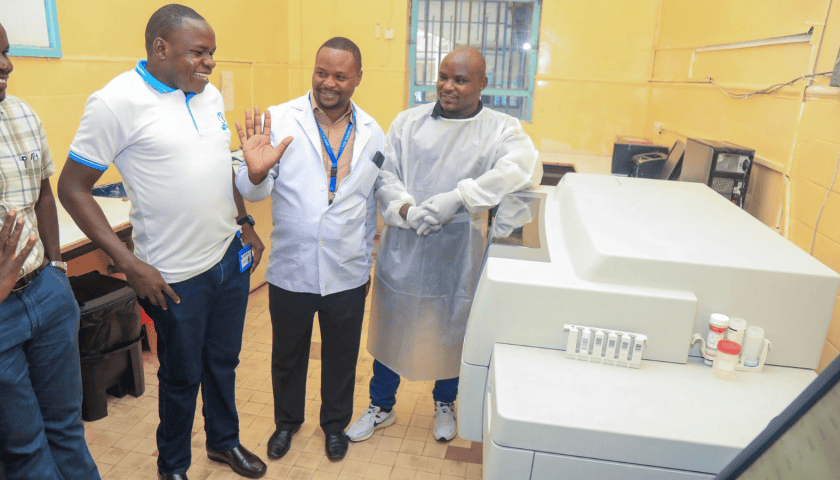
A major step in this effort came in March 2026 with the installation of an automated blood screening analyzer that has significantly reduced the time required to screen donated blood.
The new technology can complete blood screening within 20 to 35 minutes using advanced antigen-antibody detection methods, enabling clinicians to access safe blood more quickly for emergency and routine transfusions.
According to Kenneth Youth Onyango, a blood screening expert at JOOTRH, every donated unit undergoes comprehensive testing before it is cleared for use.
“Screening is done to detect infections such as HIV, Hepatitis B, Hepatitis C, and syphilis. Any infected blood is discarded because patient safety comes first,” he said.
Faster screening enhances patient safety
In addition to screening for infectious diseases, the hospital performs blood grouping and compatibility testing to ensure patients receive the correct blood type.
Donated blood is stored at temperatures ranging between 3°C and 6°C before it is processed into different blood components.
Red blood cells are then used for transfusions and exchange procedures, both of which play a critical role in the management of sickle cell disease.
The investment comes at a time when demand for specialized sickle cell services is growing in western Kenya.
Patients living with the condition often require repeated transfusions to manage severe anaemia, prevent complications, and improve quality of life.
At the Victoria Hospital Annex, JOOTRH’s dedicated centre for sickle cell disease and other blood disorders, safe blood supplies are supported by the Spectra Optia Apheresis System to enable advanced treatment.
Since the technology was introduced, 35 patients have successfully undergone red blood cell exchange procedures.
The hospital became the first public health facility in Kenya to deploy the system, significantly expanding access to specialized care in the region.
Advanced treatment reduces complications
Dr. Brenda Misore, a paediatric oncologist at JOOTRH, explained that apheresis works by removing sickled red blood cells and replacing them with healthy donor cells.
The procedure lowers the proportion of sickled cells from as high as 80 per cent to below 30 per cent, reducing the risk of complications such as stroke, acute chest syndrome, severe anaemia, and recurrent pain crises.
However, each procedure may require between six and ten units of blood, underscoring the importance of sustained voluntary blood donation.
Recent government assessments have highlighted JOOTRH’s growing role in specialized sickle cell care.
Earlier this month, Principal Secretary for Medical Services Dr. Ouma Oluga led county health officials on a tour of the facility, where they reviewed ongoing investments in advanced treatment services.
The government has also announced plans to transform JOOTRH into a centre of excellence for sickle cell disease care in Africa as part of broader efforts to strengthen specialized healthcare under Universal Health Coverage reforms.
Addressing a high disease burden
The need for these services remains urgent. Estimates show that approximately one in every fourteen children born in Kisumu has sickle cell disease, while nearly 20 percent of the population carries the sickle cell trait.
Nationally, health officials estimate that about 14,000 children are born with the condition every year, particularly in high-burden counties across western, Nyanza, and coastal regions.
As the hospital continues to expand specialized treatment capacity, reliable access to screened blood remains central to patient care.
Safe blood supplies support routine transfusions, emergency interventions, and advanced procedures such as apheresis, enabling more patients living with sickle cell disease to access timely treatment closer to home.
Sign up HEREto receive our email newsletters with the latest news and insights from Africa and around the world, and follow us on LinkedInfor updates.


Be the first to leave a comment