

Sidra Medicine to host PMFG Summit 2026 in Qatar
Sessions will examine the use of generative AI to develop drug candidates, quantum computing for genomic analysis and deep learning models for assessing disease risk across national populations.
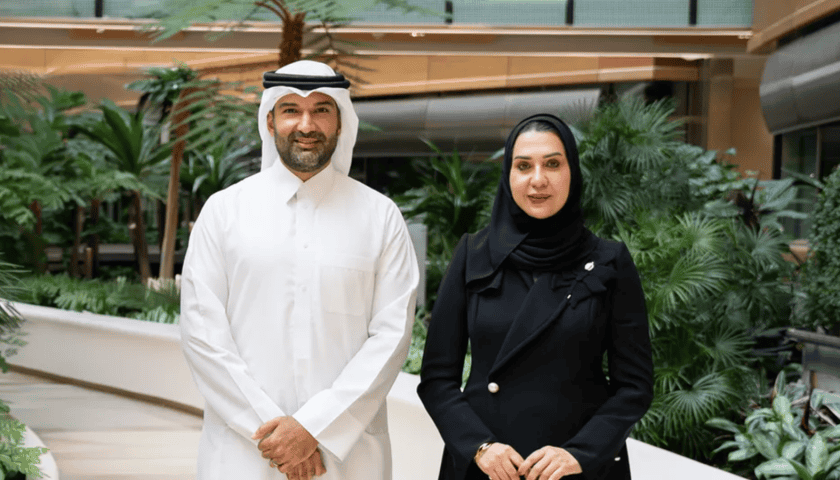
QATAR—Sidra Medicine, a member of the Qatar Foundation, will host the Precision Medicine and the Future of Genomics (PMFG) Summit 2026 from 7 to 9 December at the Qatar National Convention Centre (QNCC).
The event marks 12 years of the institution’s work to advance precision medicine and genomics in Qatar, the Middle East, and beyond.
Prof. Khalid Fakhro, Chief Research Officer at Sidra Medicine and Executive Chair of PMFG Summit 2026, said the institution has helped shape regional discussions on personalised healthcare since hosting a major precision medicine symposium in the Middle East in 2014.
He said the summit has evolved alongside advances in genomics, artificial intelligence (AI), and data science.
These technologies are creating new opportunities to improve disease prediction, diagnosis and treatment.
Through the 2026 summit, organisers aim to bring together international experts to translate scientific discoveries into improvements in patient care.
Four scientific priorities
The summit will focus on four scientific pillars: building globally representative, population scale genomic infrastructure; AI driven discovery and regulatory systems; genomics for rare, metabolic and Mendelian diseases in populations with high levels of consanguinity; and translating genomic discoveries into equitable healthcare.
Dr Ammira Akil, Principal Investigator and Director of the Metabolic and Mendelian Translational Program at Sidra Medicine and Managing Chair of the summit, said genetic research has historically focused on a relatively small share of the global population.
She said the summit will bring together researchers working to expand genomic research across diverse populations, including African, Chinese and Vietnamese ancestry groups.
The programme will also feature experts involved in national genome projects in Pakistan, Egypt, Peru, and Ghana, alongside initiatives in Qatar.
Speakers will discuss newborn screening programmes and genetic conditions that occur more frequently in specific populations.
According to Akil, a central issue will be whether advances in genomic medicine can reach patients regardless of where they live.
AI and the future of genomic medicine
AI will feature prominently throughout the programme.
Sessions will examine the use of generative AI to develop drug candidates, quantum computing for genomic analysis and deep learning models for assessing disease risk across national populations.
The summit will also explore international approaches to training AI systems across borders without transferring underlying patient data.
In addition, participants will discuss how regulators, health systems and society can oversee AI driven medicine as the technology develops.
The programme will include live debates on whether the traditional blockbuster drug model can remain relevant as medicine becomes more personalised.
A closing debate will examine whether population genomics can reach patients who need these services most.
The summit will also feature specialised workshops, scientific poster presentations and networking sessions to support collaboration among researchers, clinicians, technology specialists and industry stakeholders.
PMFG Summit 2026 will bring together clinicians, paediatricians, researchers, geneticists, data scientists, bioinformaticians, public health officials, policymakers, biotechnology innovators, and industry leaders.
Be the first to leave a comment