
South Sudan inaugurates first cancer registry at Juba Teaching Hospital
Its establishment addresses a major gap in the country’s health information system, where cancer estimates have largely relied on modelling rather than routinely collected national data.
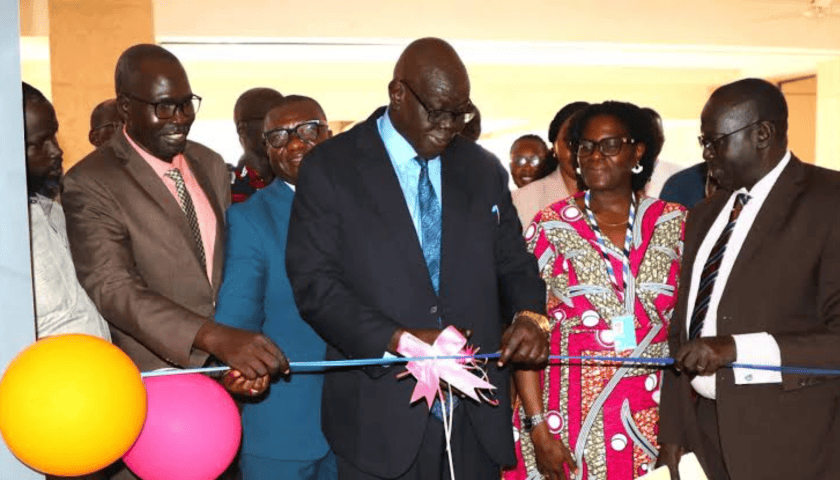
SOUTH SUDAN – South Sudan’s Ministry of Health, in partnership with the South Sudan Cancer Network and international health agencies, has inaugurated the country’s first population-based cancer registry at Juba Teaching Hospital to strengthen cancer surveillance, prevention and control.
The Juba Population-Based Cancer Registry, established with support from the World Health Organization (WHO), the International Agency for Research on Cancer (IARC) and the African Cancer Registry Network (AFCRN), will provide a system for collecting and analysing data on cancer cases across the population.
Its establishment addresses a major gap in the country’s health information system, where cancer estimates have largely relied on modelling rather than routinely collected national data.
According to IARC estimates, South Sudan recorded more than 8,000 new cancer cases and over 5,000 deaths in 2024, highlighting the need for reliable information to guide the national response.
Strengthening cancer surveillance and planning
Speaking at the inauguration, Minister of Health Dak Duop Bichok highlighted the challenges facing the country in tracking cancer cases and understanding the disease burden.
“For quite too long we have been concerned about the growing burden of cancer in our country. Our biggest challenge has been the lack of reliable national data to establish the actual number of people affected and the types of cancer,” said Bichok.
He noted that although hospitals and other health facilities diagnose cancer cases, the country has lacked sufficient capacity to systematically collect, organise and report the information.
The registry is expected to generate evidence on the most common cancers and the populations most affected.
This information will support government decisions on cancer prevention policies, healthcare planning and resource allocation, while helping identify gaps in diagnosis and treatment services.
Dr Mutale Nsakashalo, WHO South Sudan’s Cluster Lead for Health Programmes, welcomed the government’s commitment to improving cancer surveillance and care.
She said the registry would support planning across the cancer care pathway, including prevention, early detection, diagnosis, treatment, survivorship and palliative care.
WHO supports registry infrastructure and technical capacity
To support the registry’s operations, WHO has provided office furniture and essential equipment, including computers and printers.
The agency will also support the deployment of data collection software and provide technical guidance to the registry team.
These interventions are intended to strengthen the country’s capacity to collect, manage and analyse cancer data consistently.
Reliable population-based data can help health authorities identify priority cancers, assess service requirements and direct investments towards areas with the greatest need.
For South Sudan’s healthcare system, the registry also provides an important foundation for strengthening cancer programme planning and monitoring.
Its data could inform decisions on diagnostic capacity, treatment infrastructure, workforce requirements and access to palliative care.
WHO reaffirmed its commitment to working with the government and other stakeholders to support priority health interventions across the country.

Be the first to leave a comment