Turks and Caicos Islands become first territory in Americas to eradicate maternal hepatitis B
The initiative has strengthened disease prevention, maternal healthcare services, laboratory capacity, and surveillance systems, helping the territory maintain high standards of care.
Published
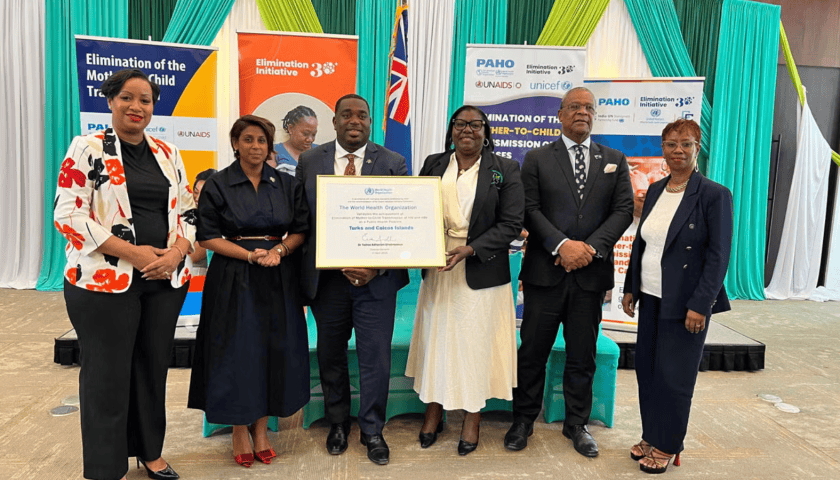
USA—The World Health Organization (WHO) and the Pan American Health Organization (PAHO) have certified the Turks and Caicos Islands for eliminating mother-to-child transmission of HIV and hepatitis B.
The recognition marks a major public health milestone and reflects the territory’s sustained investment in maternal and child healthcare.
It also makes the Turks and Caicos Islands the first territory in the Americas to achieve validation for eliminating mother-to-child transmission of hepatitis B.
The achievement was supported by the Strengthening of the EMTCT Strategy within Maternal and Child Health project, funded through the India-UN Development Partnership Fund.
The initiative has strengthened disease prevention, maternal healthcare services, laboratory capacity, and surveillance systems, helping the territory maintain high standards of care.
Last week, PAHO highlighted the certification as part of a broader Caribbean success story, noting that the region continues to lead global efforts to eliminate mother-to-child transmission of HIV, syphilis, and hepatitis B.
Strong health system drives success
WHO Director-General Dr. Tedros Adhanom Ghebreyesus said the certification demonstrates that eliminating mother-to-child transmission of HIV and hepatitis B is possible through sustained political commitment, resilient health systems, and equitable access to healthcare.
He added that the Turks and Caicos Islands are setting an example for countries across the Caribbean and beyond.
PAHO Director Dr. Jarbas Barbosa said the milestone reflects years of work to ensure every pregnant woman and child can access timely, high-quality healthcare.
He noted that integrated primary healthcare remains essential to reaching vulnerable communities and leaving no one behind.
The territory achieved certification through a coordinated health system that integrates maternal and child health services across public and private facilities.
Antenatal care is available free of charge to all women, regardless of nationality or immigration status.
Pregnant women routinely receive opt-out screening for HIV, syphilis, and hepatitis B, supported by rapid testing, confirmatory diagnostics, and prompt treatment.
High coverage and continued vigilance
More than 95% of pregnant women attend antenatal care and undergo infection screening, while over 90% of newborns receive the hepatitis B birth dose within 24 hours.
Infants exposed to HIV receive follow-up testing and comprehensive care through integrated health services.
The territory also maintains strong disease surveillance and multilingual outreach programmes that improve access for migrant communities.
Health Minister Kyle Knowles said the recognition reflects the strength of the country’s healthcare system and its commitment to protecting families.
He added that authorities are continuing to strengthen follow-up services for mothers and babies to sustain the achievement.
To receive WHO certification, countries must reduce mother-to-child HIV transmission to below 2%, record fewer than five new paediatric HIV infections per 1,000 live births, and maintain at least 95% coverage for antenatal care, HIV testing, and treatment during pregnancy.
UNICEF and UNAIDS welcomed the certification, describing it as an important step toward ending AIDS among children by 2030 and advancing the regional goal of eliminating mother-to-child transmission of HIV, syphilis, and hepatitis B.
Sign up HEREto receive our email newsletters with the latest news and insights from Africa and around the world, and follow us on LinkedInfor updates.


Be the first to leave a comment