Uganda declares end of 2026 Ebola outbreak after 42 days with no new cases
Throughout the 42-day period, health authorities maintained enhanced nationwide surveillance and found no evidence of further transmission.
Published
UGANDA — Uganda has officially declared the end of its 2026 Ebola disease outbreak after completing the World Health Organization-recommended 42-day monitoring period without detecting any new cases.
The Ministry of Health said the monitoring period began after the last Ugandan national, who contracted the virus through local transmission, was discharged on June 16, 2026.
Throughout the 42-day period, health authorities maintained enhanced nationwide surveillance and found no evidence of further transmission.
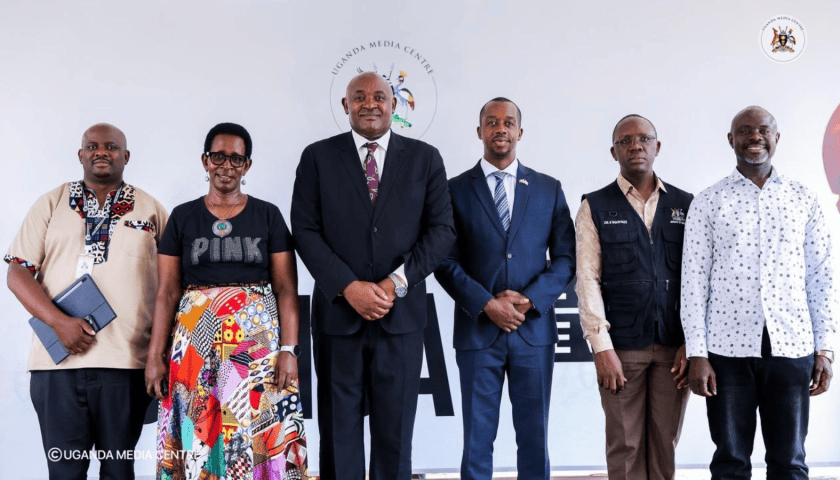
Health Minister Dr. Chris Baryomunsi said the outbreak resulted from a documented importation event linked to cases from the Democratic Republic of Congo (DRC).
Authorities identified the source and route of infection, established epidemiological links between all confirmed cases, reconstructed transmission chains, and monitored all identified contacts.
The contacts completed the mandatory 21-day follow-up without signs of further transmission.
Uganda declared the outbreak on May 15, 2026, after confirming imported Ebola cases from the DRC.
The country recorded 20 confirmed cases, including 18 recoveries and two deaths.
Of the total, 15 cases involved people who had arrived from the DRC, while five Ugandan health workers contracted the virus while caring for imported cases.
Genomic surveillance strengthens response
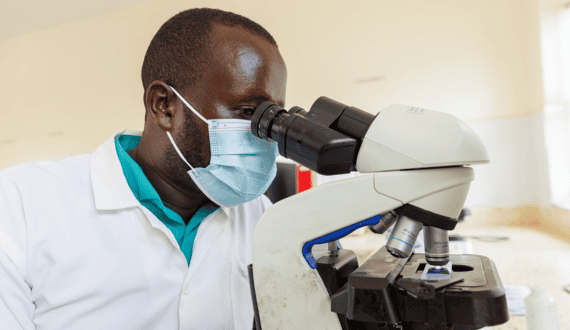
The Ministry said advances in outbreak response, including rapid molecular diagnostics, whole-genome sequencing, digital surveillance and real-time contact tracing, helped health authorities establish the extent of the outbreak.
Genomic analyses confirmed that the outbreak involved a distinct variant of the Bundibugyo virus, while ongoing evolutionary studies are examining how the outbreak emerged.
The ministry said the 42-day criterion remains an important safeguard when transmission patterns are uncertain.
However, it argued that advances in epidemiological surveillance could provide additional evidence for declaring an outbreak over when authorities have conclusively established that transmission has ended.
Cross-border response
Despite declaring the outbreak over, Uganda remains on high alert because Ebola continues to circulate in neighbouring DRC.
The government has strengthened surveillance at border points, maintained rapid response teams and continued working with districts to detect and respond to suspected cases.
As part of its regional response, Uganda signed a memorandum of understanding with the DRC to establish a joint cross-border Ebola response.
The country has also deployed two mobile laboratories and an 80-bed Ebola treatment unit in Aru and Kasenyi in the DRC.
The measures come as the DRC continues to report a significant Ebola outbreak.
According to its health authorities, confirmed cases have reached 3,262, including 1,437 deaths.
Ugandan authorities credited the country’s response to investments in public health infrastructure, laboratory capacity, contact tracing and emergency preparedness.
They also highlighted the role of healthcare workers, community health workers, local governments, security agencies, communities, researchers and development partners.
The Ministry said Uganda will continue strengthening surveillance and preparedness, particularly in border districts, while collaborating with neighbouring countries to protect communities from future Ebola outbreaks.
Sign up HEREto receive our email newsletters with the latest news and insights from Africa and around the world, and follow us on LinkedInfor updates.



Be the first to leave a comment