Gilead Sciences invests USD2.2 billion in T-Cell Engager Technology through Ouro Medicines acquisition
Gilead will pay USD1.68 billion upfront and commit up to USD500 million in milestone payments to secure gamgertamig (OM336), Ouro’s BCMA/CD3-targeting TCE.
Published
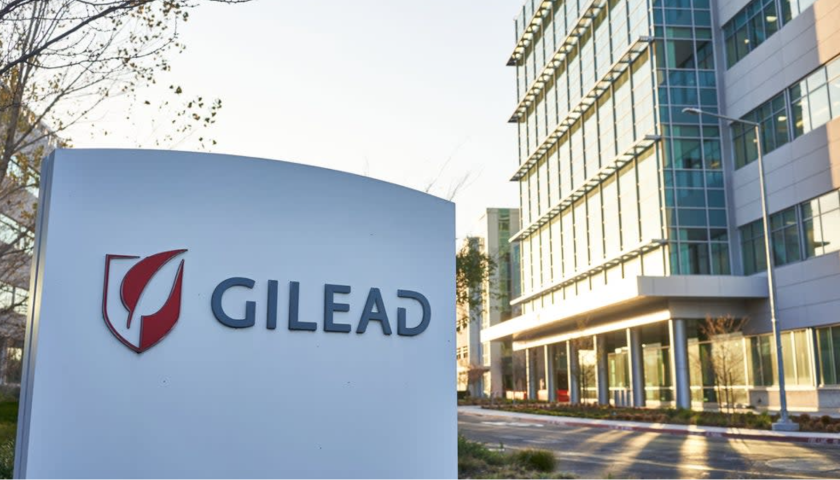
USA—Gilead Sciences is set to acquire Ouro Medicines for USD2.2 billion, marking the California-based pharmaceutical giant’s first entry into the T-cell engager (TCE) space.
Under the terms of the deal, Gilead will pay USD1.68 billion upfront and commit up to USD500 million in milestone payments to secure gamgertamig (OM336), Ouro’s BCMA/CD3-targeting TCE.
The therapy is currently in clinical trials for rare antibody-mediated conditions, including immune thrombocytopenia (ITP) and autoimmune haemolytic anaemia (AIHA).
Analysts at Citi note that the acquisition fits squarely within Gilead’s broader strategy to diversify beyond HIV and strengthen the autoimmune pipeline that its subsidiary, Kite, is actively building.
Galapagos enters the picture
The deal carries an added dimension: Gilead is in advanced negotiations with its long-term partner, Galapagos, to co-develop gamgertamig.
Under a potential arrangement, Galapagos would cover half of the upfront and milestone payments, as well as costs tied to registrational trials.
In exchange, the Belgian biotech would take on Ouro’s operating assets and staff and receive a 20–23% share of gamgertamig’s net sales outside of greater China, should the drug reach market.
Ouro had originally acquired the ex-Greater China rights to gamgertamig from Keymed Biosciences in January 2025.
Galapagos rebuilds through acquisitions
This move forms part of a significant strategic pivot for Galapagos.
In October 2025, the company closed its cell therapy unit and shifted its focus toward acquiring late-stage assets in immunology and oncology.
Backed by €3 billion (USD3.5 billion) in cash reserves, Galapagos CEO Henry Gosebruch has made pipeline expansion a central priority.
Currently, the company’s pipeline centres on GLPG3667, an oral TYK2 blocker in mid-stage trials for systemic lupus erythematosus (SLE) and dermatomyositis, though efficacy results have been mixed.
TCEs Move Beyond Cancer
The broader industry context helps explain the deal’s appeal. TCEs built their track record in oncology—Johnson & Johnson’s Tecvayli and AbbVie and Genmab’s Epkinly both secured approvals in blood cancers.
Now, several major pharma players are backing the technology’s potential in autoimmune disease.
In March 2026, Sanofi paid USD1.23 billion to license KT501, a trispecific antibody from Kali Therapeutics.
Boehringer Ingelheim similarly acquired rights to CDR-Life’s CDR111 in November 2025 for up to USD570 million.
New entrants like Excalipoint Therapeutics are also attracting significant seed investment, signaling strong and sustained investor confidence in the space.
Sign up HEREto receive our email newsletters with the latest news and insights from Africa and around the world, and follow us on LinkedInfor updates.


Be the first to leave a comment