Liminatus Pharma to acquire InnocsAI in US$320M share-based CAR-T oncology deal
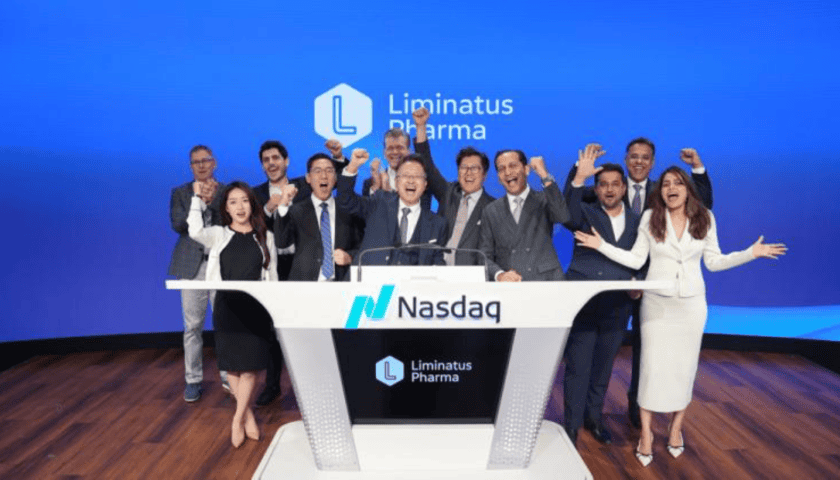
Liminatus went public in 2022 through a SPAC merger and initially highlighted several immune-modulating therapies originating from research collaborations in the United States and South Korea.
Published
USA—Liminatus Pharma has agreed to acquire CAR-T biotechnology firm InnocsAI in a share-based transaction valued at US$320 million, expanding Liminatus’s oncology pipeline and strengthening its position in next-generation cell therapy development.
Under the terms disclosed in a recent Securities and Exchange Commission filing, Liminatus will issue 1.6 billion shares priced at US$0.20 each to complete the acquisition.
In addition, InnocsAI shareholders will receive a contingent value right entitling them to 20% of any future proceeds generated from the sale or licensing of the acquired assets.
CAR-T pipeline expansion
InnocsAI brings a focused immuno-oncology portfolio led by IBC101, an autologous CD19xCD22 bivalent CAR-T therapy designed for relapsed or refractory B-cell malignancies.
The candidate has already received clearance to initiate a Phase 1/2 clinical study at a hospital in South Korea, marking its transition from preclinical development toward early human testing.
Liminatus highlighted in its filing that dual-target CAR-T strategies, such as CD19 and CD22, aim to broaden antigen coverage across malignant B cells.
Johnson & Johnson has also explored similar dual-target approaches in its own CAR-T programs, reflecting growing interest in multi-antigen engagement to improve treatment durability.
Dual-signal engineering approach
According to the company, IBC101 may offer next-generation potential for hematologic cancers, including diffuse large B-cell lymphoma and other aggressive B-cell disorders.
Behind this lead candidate sits INC101, a preclinical bicistronic CAR-T platform engineered with a dual-signal system.
Mesothelin provides primary tumour-associated activation, while B7-H3 delivers a secondary signal intended to refine tumour selectivity through dual antigen recognition.
InnocsAI is also advancing an antibody platform targeting CS1, which could be used as a modular component to enhance CAR-T functionality.
The approach could enable a trivalent CAR-T system by integrating CD19, CD22, and CS1 targeting, potentially extending the application into both B-cell and plasma-cell malignancies.
Strategic oncology alignment
For Liminatus, the acquisition aligns with its broader oncology strategy, which includes IBA101, a CD47-blocking monoclonal antibody scheduled for a Phase 1 trial.
The company has indicated that the program may be evaluated in combination with PD-1/PD-L1 checkpoint inhibitors for solid tumor indications.
Liminatus went public in 2022 through a SPAC merger and initially highlighted several immune-modulating therapies originating from research collaborations in the United States and South Korea.
Over time, however, its development focus has shifted, and it now positions itself as an early-stage, preclinical biotech.
The company’s financial position remains constrained, with reports indicating cash reserves of approximately US$1.9 million at the end of March.
Its low share price has also raised ongoing concerns about Nasdaq listing compliance, prompting management to explore alternative financial strategies, including a “digital asset treasury” approach to strengthen capital flexibility.
According to recent filings, both companies continue to evaluate integration timelines and clinical development priorities across the oncology asset portfolio alignment.
Sign up HEREto receive our email newsletters with the latest news and insights from Africa and around the world, and follow us on LinkedInfor updates.


Be the first to leave a comment