FTC orders Aurobindo to divest four generic drugs to complete Lannett buyout
The Commission argued that without the divestitures, the merged company could gain the ability to exert unilateral control over pricing in these markets.
Published
USA—US regulators have moved to impose conditions on the planned acquisition of Pennsylvania-based generics manufacturer Lannett by Indian pharmaceutical firm Aurobindo Pharma, requiring the sale of four key drugs to address anticompetitive risks.
The Federal Trade Commission (FTC) said the deal, valued at US$250 million, could reduce competition in several essential generic drug markets unless structural remedies are implemented.
According to the regulator, the transaction would combine two of a limited number of suppliers in markets that serve critical patient needs.
As a result, the FTC concluded that competition could weaken, potentially leading to higher prices for widely used medicines.
Mandatory divestitures to Quagen Pharmaceuticals
To resolve these concerns, the FTC has ordered Aurobindo to divest four products to New Jersey-based Quagen Pharmaceuticals.
The affected medicines include mycophenolate mofetil, an immunosuppressant used to prevent organ transplant rejection, and pilocarpine, which treats dry mouth linked to radiation therapy and Sjögren’s syndrome.
The divestiture list also covers rabeprazole, a proton pump inhibitor used to reduce stomach acid, and niacin extended-release tablets, which help manage cholesterol levels and treat vitamin B-complex deficiencies.
The FTC said both Aurobindo and Lannett are among a small group of manufacturers supplying these drugs, making competition particularly sensitive.
FTC concerns over market power
The Commission argued that without the divestitures, the merged company could gain the ability to exert unilateral control over pricing in these markets.
It also warned that remaining competitors might coordinate indirectly, increasing the risk of higher generic drug costs for consumers and healthcare systems.
“The FTC’s action today will protect millions of patients from the threat of higher generic drug prices,” said Daniel Guarnera, director of the FTC’s Bureau of Competition, in a statement accompanying the decision.
The agency also opened a 30-day public comment period before finalizing the consent order, allowing stakeholders to weigh in on the proposed remedies.
Deal background and strategic expansion
Aurobindo Pharma first announced the acquisition of Lannett in August 2025, framing it as a strategic entry into the attention-deficit/hyperactivity disorder (ADHD) drug market.
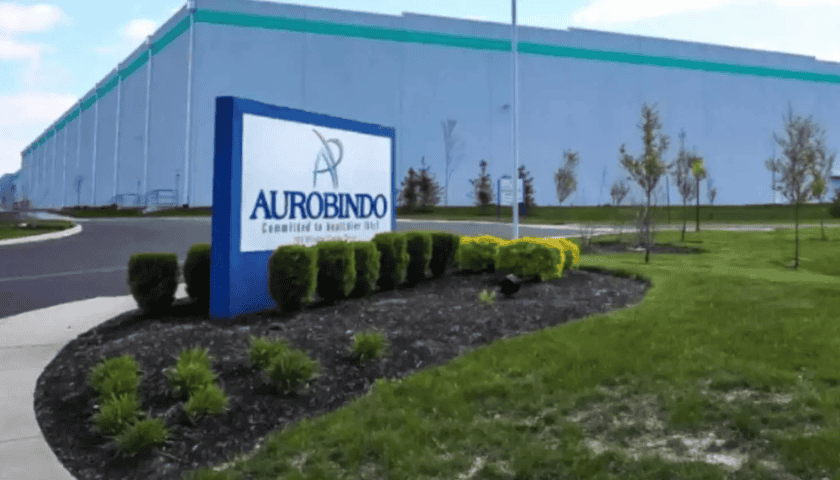
The company also highlighted plans to expand its US manufacturing footprint through Lannett’s large production facility in Seymour, Indiana.
The site spans 425,000 square feet and produces tablets, capsules, powders, and liquids, with an annual capacity of about 3.6 billion tablets and a workforce of roughly 435 employees.
Aurobindo said the facility aligns with broader reshoring efforts and evolving US procurement preferences.
Market position and industry outlook
Lannett, founded in 1942, is known for producing controlled substances and generic liquid formulations, including ADHD medications.
Industry estimates place the ADHD treatment market at about US$15 billion in 2025, with projections reaching US$18.6 billion by 2030.
The FTC emphasized that the divestitures are necessary to preserve competition across these growing therapeutic segments, particularly where only a limited number of manufacturers currently operate.
Sign up HEREto receive our email newsletters with the latest news and insights from Africa and around the world, and follow us on LinkedInfor updates.



Be the first to leave a comment