External assessments have also recognized Syntegon’s sustainability performance, including an improved “B” rating from CDP for climate change and a ranking among the top 2 percent of companies assessed worldwide by EcoVadis.
Published
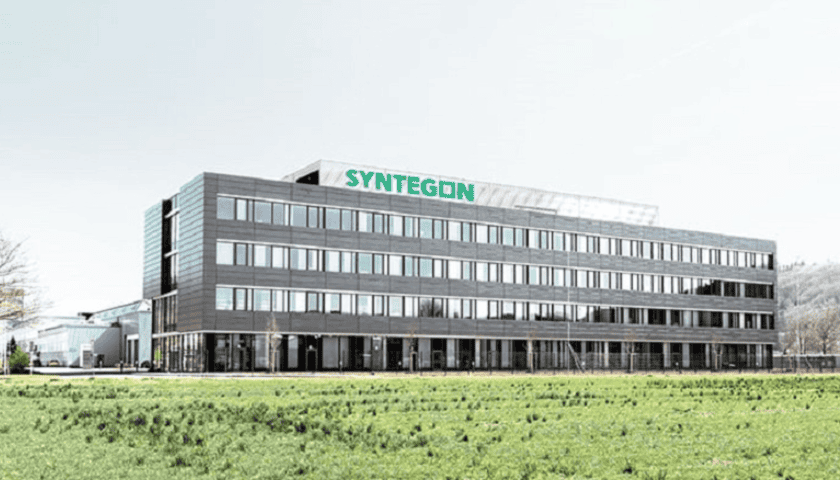
GERMANY—Syntegon, a lifecycle partner to the pharmaceutical, biotech and food industries, has published its 2025 Sustainability Report.
This report outlines progress on its environmental, social, and governance (ESG) priorities and reaffirms its commitment to achieving net-zero greenhouse gas (GHG) emissions across its value chain by 2040.
As sustainability requirements and regulatory expectations increase globally, the company said it aims to help customers improve productivity, meet compliance requirements, and use resources more efficiently.
External assessments have also recognized Syntegon’s sustainability performance, including an improved “B” rating from CDP for climate change and a ranking among the top 2 percent of companies assessed worldwide by EcoVadis.
Emissions reduction and renewable energy
Syntegon reported that it reduced its Scope 1 and Scope 2 carbon dioxide (CO2) emissions by 40 percent in 2025 compared with its 2019 baseline.
At the same time, the company’s GHG intensity improved to 6.73kg of CO2 equivalent (CO2e) per €1,000 (US$1,170) in revenue.
In addition, renewable sources accounted for 81 percent of the electricity Syntegon purchased in 2025, representing an 11-percentage-point increase from the previous year.
The company also reported continued progress in employee training and workplace safety as part of its broader social sustainability efforts.
“The transformation toward a more sustainable industry is accelerating, and we want to actively shape it together with our customers and other stakeholders,” said Torsten Türling, chief executive officer of Syntegon.
“By combining technology, operational excellence, and lifecycle expertise, we are turning sustainability ambitions into measurable progress.”
Petros Kapelles, chief operations officer at Syntegon, said the company was focusing on practical measures that deliver measurable results.
“We are systematically advancing decarbonization across our operations while helping customers improve efficiency, reduce waste, and optimize resource consumption,” he said.
External recognition
Syntegon’s sustainability performance has also received recognition from independent organizations.
Its latest EcoVadis assessment placed the company among the top 2 percent of businesses evaluated globally for environmental, social, and corporate governance performance.
Meanwhile, Syntegon achieved a CDP Climate Change score of B in 2025, indicating that it has established processes and strategies to manage its environmental impacts.
Its climate targets have also been validated by the Science Based Targets initiative (SBTi), supporting the company’s planned pathway towards decarbonization.
“We are proud that our sustainability efforts regularly receive positive assessments by external experts,” said Yvonne Gillet, vice president of sustainability at Syntegon.
“This recognition reinforces our commitment to continuing on our path.”
Sustainability reporting
The 2025 report marks Syntegon’s first sustainability disclosure prepared with the Corporate Sustainability Reporting Directive (CSRD) and European Sustainability Reporting Standards (ESRS) as reference frameworks and subject to third-party assurance.
The approach replaces the Global Reporting Initiative (GRI) as the company’s primary reporting framework.
The report outlines Syntegon’s governance measures, decarbonization roadmaps, and operational initiatives aimed at reducing emissions and resource consumption while improving health and safety.
The company has integrated sustainability into its value-creation model, linking sustainable solutions and lifecycle services to product innovation and operational excellence.
Through these measures, Syntegon aims to help customers reduce emissions and waste, improve energy efficiency, minimize safety risks and maintain product integrity throughout the lifecycle of their systems.
The company provides equipment and services designed to support the safe, efficient and resource-conscious production and packaging of medicines and food.
Sign up HEREto receive our email newsletters with the latest news and insights from Africa and around the world, and follow us on LinkedInfor updates.


Be the first to leave a comment