

Kenya to build 10 specialized maternal and newborn facilities across high-burden counties
The centres will provide comprehensive services, including antenatal and postnatal care, labour and recovery services, obstetric care, Caesarean sections, theatres, maternal and neonatal intensive care, neonatal intensive care units and post-Caesarean wards.
KENYA—Kenya is set to establish 10 specialised maternal and newborn health facilities in counties with the highest burden of preventable deaths as the government steps up efforts to improve access to quality care.
The 250-bed facilities will be built in Nairobi, Bomet, Kwale, Mombasa, Garissa, Kisumu, Embu, Nakuru, West Pokot and Uasin Gishu.
The centres will provide comprehensive services, including antenatal and postnatal care, labour and recovery services, obstetric care, Caesarean sections, theatres, maternal and neonatal intensive care, neonatal intensive care units and post-Caesarean wards.
The facilities will be designed to link routine maternity services with emergency and specialised care under one system.
This integrated model will enable mothers and newborns needing additional support to receive timely referrals and treatment without unnecessary delays, while county health teams coordinate services with national authorities throughout implementation.
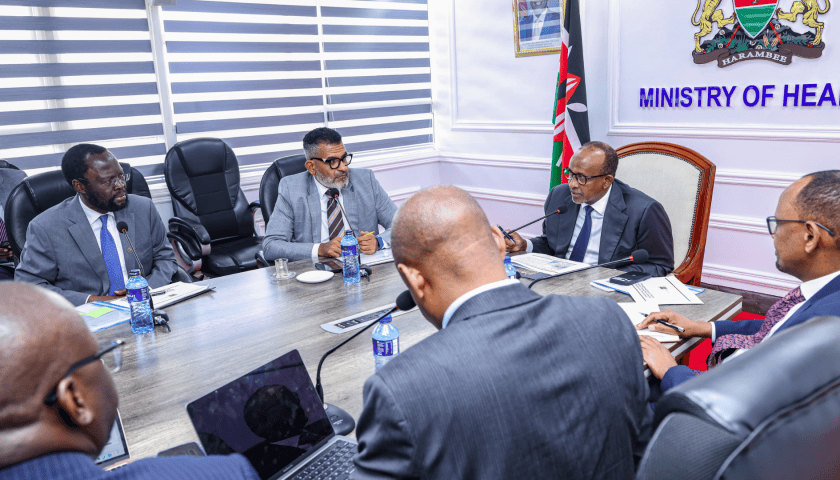
The initiative follows bilateral discussions between Health Cabinet Secretary Aden Duale and county leaders, led by Council of Governors Health Committee Chairperson and Mombasa Governor Abdullswamad Nassir.
The talks focused on implementing President William Ruto’s directive to prioritise maternal and newborn health.
Funding and targeted investment
Amsons Group will provide KES 4.4 billion (US$34.0 million) through the Mama na Mtoto Kwanza initiative, in partnership with the government.
The investment complements the Every Woman Every Newborn Everywhere programme and will expand access to specialised maternal and newborn services.
The government selected the locations after mapping 26 counties that account for about 60% of Kenya’s maternal deaths.
The targeted approach is intended to direct infrastructure and specialised services to areas with the greatest need while supporting Kenya’s Universal Health Coverage agenda.
In addition, KES 4 billion (US$30.9 million) is being channelled through the Social Health Authority to support maternal deliveries at Level 2 and Level 3 facilities.
The funding is expected to widen access to safe maternity services closer to communities.
Expanding the healthcare workforce
The infrastructure programme is being accompanied by efforts to increase the number of skilled health workers available to provide maternal and newborn care.
Under the Every Woman Every Newborn Everywhere programme, 900 healthcare workers have already received training in obstetric care, while another 900 have been trained in comprehensive newborn care.
The Government is also recruiting 5,000 nurses and midwives to strengthen staffing levels and support the expanded maternity and neonatal services.
County coordination and implementation
Groundbreaking for the new facilities is expected by September, with the national and county governments working to coordinate implementation.
Discussions also focused on accelerating project delivery and ensuring the planned facilities respond to local healthcare needs.
The meeting brought together Kisumu Governor Anyang’ Nyong’o and Embu Governor Cecily Mbarire; Bomet Deputy Governor Shadrack Rotich and West Pokot Deputy Governor Achaule Robert; and county officials, including Kisumu County Executive Committee Member Dr Gregory Ganda.
Ministry of Health officials attending the meeting included Director for Family Health Dr Bashir Issak, Presidential Advisor on Health Wilson Aruasa and Head of Infrastructure, Projects and Grants Management Dr Hezron Omolo, alongside other ministry representatives.
Be the first to leave a comment