

Encoded Therapeutics raises US$27M to advance Dravet syndrome gene therapy
Encoded plans to use the proceeds primarily to fund a pivotal trial of ETX101 in infants and young children with SCN1A positive Dravet syndrome.
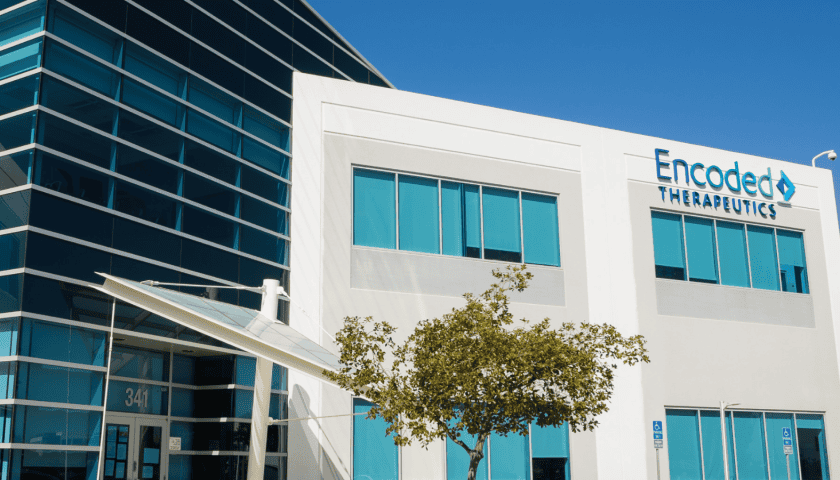
USA—Encoded Therapeutics has raised US$275 million in a Series F financing round to advance the development of ETX101, its investigational disease-modifying therapy for Dravet syndrome, while also supporting the company’s broader gene therapy pipeline.
The financing was co led by GV and another healthcare-focused investment fund, with participation from ARCH Venture Partners, Janus Henderson Investors and Farallon Capital Management, among other investors.
Encoded plans to use the proceeds primarily to fund a pivotal trial of ETX101 in infants and young children with SCN1A-positive Dravet syndrome.
The company will also conduct an expansion study involving children and adolescents up to 18 years old.
Dravet syndrome is a severe form of epilepsy that typically begins during infancy and can cause prolonged seizures, developmental delays, and other neurological problems.
More than 90% of cases are linked to loss of function in the SCN1A gene.
ETX101 advances toward pivotal testing
ETX101 is designed as a one-time gene therapy that increases expression of a functional copy of the SCN1A gene, addressing the genetic cause of the disorder rather than treating seizures alone.
The therapy has generated positive results in the Phase I/II POLARIS study.
Among patients who received a single administration at the third dose level and completed one year of follow-up, ETX101 reduced monthly seizure frequency by as much as 79%.
“The interim Phase I/II POLARIS data we recently shared at the European Epilepsy Congress demonstrate substantial and sustained seizure frequency reductions alongside encouraging developmental gains,” said Kartik Ramamoorthi, CEO of Encoded Therapeutics.
He added that the results have strengthened the company’s confidence in ETX101 as it moves into pivotal development and seeks to advance the therapy toward potential registration.
Competition in Dravet syndrome
Encoded is competing with other developers seeking to introduce a disease-modifying treatment for Dravet syndrome.
Biogen recently entered an agreement worth up to US$550 million with Stoke Therapeutics for certain regional rights to zorevunersen outside Canada, Mexico and the US.
Zorevunersen is an antisense oligonucleotide designed to increase production of functional SCN1A protein in people with Dravet syndrome.
Stoke and Biogen expect data from the Phase III EMPEROR study this year.
Dravet syndrome is estimated to affect about one in every 16,000 live births.
According to the National Organization for Rare Disorders, it represents approximately 0.17% of epilepsy cases in the US.
Pipeline and manufacturing expansion
Encoded will also use the Series F proceeds to expand its internal good manufacturing practice capabilities and advance its pipeline.
The company plans to progress ETX301 toward an Investigational New Drug submission for the treatment of post-amputation neuroma pain, which it expects to pursue in 2027.


Be the first to leave a comment