

Bristol Myers Squibb appoints Cristian Massacesi to lead integrated R&D organisation
The restructuring aims to connect expertise across the drug development process, from early-stage discovery to clinical development.
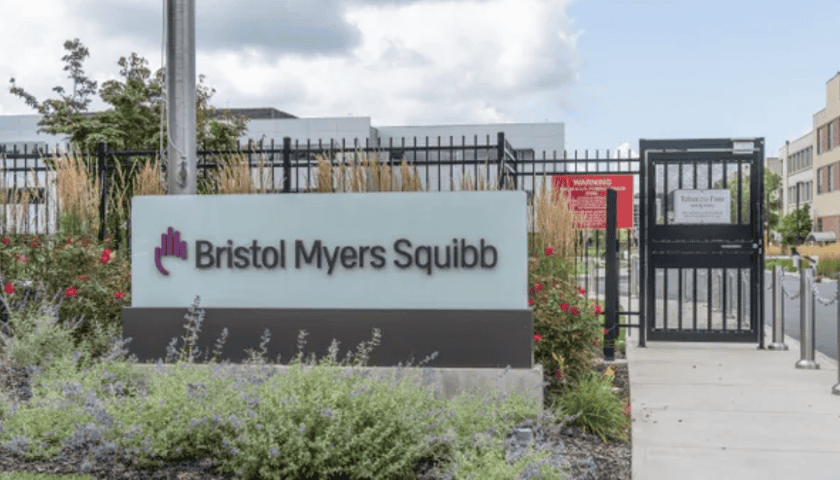
USA—Bristol Myers Squibb (BMS) will combine its research and development (R&D) departments into a single organisation from 1 January 2027 to strengthen scientific collaboration, accelerate drug development, and improve pipeline execution.
The company’s executive vice president and chief medical officer, Cristian Massacesi, will lead the integrated organisation, bringing its scientific research and clinical development capabilities under a single leadership structure.
The restructuring aims to connect expertise across the drug development process, from early-stage discovery to clinical development.
BMS expects the unified model to improve coordination, support faster decision-making and strengthen the translation of scientific discoveries into medicines.
Leadership transition
As part of the changes, executive vice president and chief research officer Robert Plenge will remain with BMS in an advisory capacity until March 2027 before leaving the company.
His continued involvement will support the transition and transfer of responsibilities to the new leadership structure.
BMS board chair and chief executive officer Christopher Boerner said the integration represents an important step in positioning the company for long-term growth.
He noted that the new structure would bring scientific and clinical teams closer together, improve decision-making and strengthen the execution of the company’s development portfolio.
He also highlighted the growing overlap between research and development, which is making traditional organisational boundaries less relevant.
Boerner said the consolidated model would help BMS attract and retain skilled professionals, develop critical capabilities and integrate emerging technologies into its operations.
He also acknowledged Plenge’s contributions to the company and his role in supporting the organisational transition.
Implications for drug development
The restructuring comes as pharmaceutical companies increasingly seek to improve research productivity, manage development costs and accelerate the delivery of new treatments.
Integrating early-stage research with clinical development can help companies coordinate scientific priorities, identify promising candidates and address development challenges earlier.
For BMS, the unified structure is intended to strengthen how its research teams translate discoveries into clinical programmes while improving the use of scientific expertise and technology across the organisation.
Massacesi said the company had significant scientific opportunities and that the restructuring would help its teams advance the development pipeline while preparing for future research priorities.
He recognised Plenge’s contribution to building the research organisation and expressed appreciation for his support during the transition.
Massacesi added that bringing the R&D teams together would help the company advance promising discoveries into medicines more efficiently by improving coordination and maintaining focus across the development process.
BMS discovers, develops and delivers medicines for patients with serious diseases, with its research and development activities forming a central part of its pharmaceutical operations.

Be the first to leave a comment