WHO validates Eritrea’s trachoma elimination after two decades of public health interventions
The achievement follows years of targeted interventions in rural communities, where limited access to healthcare, clean water and sanitation has increased the risk of trachoma transmission.
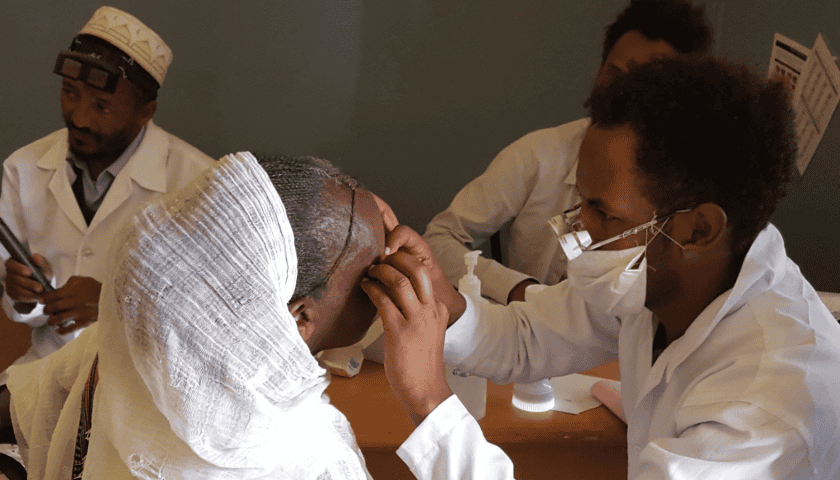
ERITREA—The World Health Organization (WHO) has validated Eritrea’s elimination of trachoma as a public health problem, making it the 11th country in the African region and the 34th globally to achieve the milestone.
WHO Director-General Dr Tedros Adhanom Ghebreyesus congratulated the Eritrean government and communities, highlighting the country’s sustained efforts over two decades to control the disease.
The achievement follows years of targeted interventions in rural communities, where limited access to healthcare, clean water, and sanitation has increased the risk of trachoma transmission.
Community-based interventions drive progress
Following baseline surveys conducted across different parts of the country between 2006 and 2020, Eritrea progressively implemented WHO’s SAFE strategy in affected communities.
The approach combines surgery to treat trachomatous trichiasis, antibiotics to clear infection, facial cleanliness to limit transmission, and environmental improvements, particularly better access to water and sanitation.
Eritrea also adopted community-led sanitation programmes, which helped expand interventions despite limited external funding.
Health workers used digital data collection and mapping tools to identify affected populations, monitor disease patterns and direct resources to remote communities.
The national programme covered all 58 sub-zobas, the country’s second-level administrative divisions, and expanded interventions wherever trachoma was endemic.
Most antibiotic treatments relied on oral azithromycin donated by Pfizer through the International Trachoma Initiative.
The country has also established systems to identify and manage new cases of trachomatous trichiasis.
It will continue surveillance to prevent a resurgence of the disease following WHO validation.
Regional implications for neglected tropical disease control
WHO Regional Director for Africa Dr Mohamed Janabi said Eritrea’s progress demonstrates the importance of political commitment, community participation and partnerships in eliminating neglected tropical diseases.
He noted that the achievement provides encouragement to other African countries pursuing trachoma elimination and reinforces the role of sustained public health interventions in protecting vulnerable populations.
The milestone also highlights the importance of integrating disease control programmes with broader investments in water, sanitation and hygiene.
Such interventions can improve health outcomes while strengthening community-level disease surveillance and prevention systems.
WHO Representative to Eritrea Dr Mary Stephen attributed the progress to national leadership and collaboration between communities, the Ministry of Health, The Fred Hollows Foundation, development partners and frontline health workers.
She reaffirmed WHO’s commitment to working with the Eritrean government and its partners to maintain the gains and support continued surveillance.

Be the first to leave a comment