

Hetero begins shipping generic lenacapavir for HIV prevention to African markets
Hetero is among six generic manufacturers licensed by Gilead to produce and supply lenacapavir across 120 low- and middle-income countries.
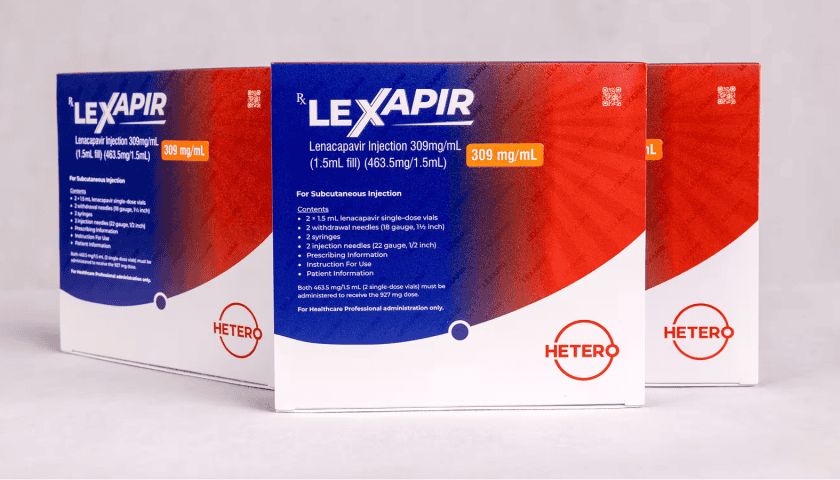
AFRICA—India’s Hetero has begun shipping generic versions of Gilead Sciences’ long-acting HIV prevention drug lenacapavir to Zambia, Uganda, and Zimbabwe, with 300,000 vials targeted as efforts to broaden access to HIV prevention gather pace.
Lenacapavir is administered twice a year and offers an alternative to daily oral pre-exposure prophylaxis (PrEP).
The World Health Organization (WHO) recommended the injectable medicine as an additional HIV prevention option in 2025, following clinical trials demonstrating its effectiveness in reducing new infections.
Hetero is among six generic manufacturers licensed by Gilead to produce and supply lenacapavir across 120 low- and middle-income countries.
The licensing agreements form part of Gilead’s strategy to expand access in regions with a high HIV burden through partnerships with manufacturers capable of supplying lower-cost alternatives.
African rollout gathers pace
The shipments follow an announcement by the Global Fund to Fight AIDS, Tuberculosis and Malaria that initial generic lenacapavir supplies had arrived in Zambia.
Deliveries to Uganda were expected shortly afterwards, while Zimbabwe was scheduled to receive supplies in early 2027.
According to the Global Fund, more than 189,000 people across 10 countries had received their first dose of lenacapavir by November 2026.
The organisation plans to deliver four times as much of the medicine in 2027 as in 2026, with generic versions expected to account for an increasing proportion of supplies.
Hetero also plans to extend distribution to 10 additional African countries in early 2027, building on the initial deliveries.
The company is separately preparing to launch the medicine in India in the coming months, subject to regulatory approval.
Generic competition and HIV prevention access
The rollout marks an expansion of the generic pharmaceutical industry’s role in supplying long-acting HIV prevention medicines to countries with limited access to newer treatment technologies.
By licensing multiple manufacturers, Gilead is establishing a supply network intended to increase production capacity and support wider geographical distribution.
Generic competition could also improve affordability, although actual patient access will depend on procurement prices, national regulatory approvals, healthcare financing and the capacity of health systems to deliver twice-yearly injections.
For African health programmes, the introduction of generic lenacapavir provides an additional prevention option that could complement existing oral PrEP services and other HIV prevention interventions.
Hetero’s planned expansion beyond the initial three markets will depend on supply availability and the regulatory and procurement arrangements in each country.


Be the first to leave a comment