
Boehringer Ingelheim signs US$7.4B cancer drug deal with China’s Sino Biopharmaceutical
Under the agreement, Boehringer will pay US$358million upfront for access to six biologic programmes, with Sino eligible for up to US$7billion in milestone payments and additional royalties on sales of any commercialised products.
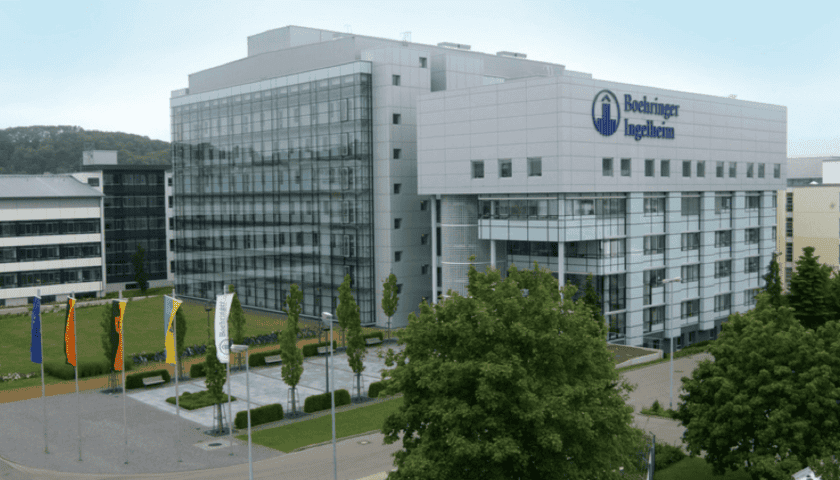
GERMANY—Boehringer Ingelheim has signed a licensing agreement worth up to US$7.4 billion with China’s Sino Biopharmaceutical to expand its oncology pipeline through six preclinical programmes targeting next-generation cancer treatments.
Under the agreement, Boehringer will pay US$358million upfront for access to six biologic programmes, with Sino eligible for up to US$7billion in milestone payments and additional royalties on sales of any commercialised products.
Sino will lead early-stage development before transferring the programmes to Boehringer once agreed clinical milestones are achieved.
The German pharmaceutical company will then have the option to secure exclusive rights to further develop, manufacture and commercialise the candidates.
For four programmes, Boehringer will obtain rights outside mainland China, Hong Kong and Macau, while the remaining two will carry global commercialisation rights.
ADCs and T-cell engagers anchor collaboration
Five of the six programmes will come from Sino’s subsidiary LaNova Medicines, while Beijing Tide, another subsidiary of the Chinese pharmaceutical group, will develop the sixth.
Sino acquired LaNova for US$951 million in July 2025.
Although the companies have not disclosed the programmes’ therapeutic indications, they confirmed that the collaboration will focus on antibody-drug conjugates (ADCs) and T-cell engagers (TCEs).
ADCs have attracted growing interest from pharmaceutical companies seeking targeted cancer treatments that deliver cytotoxic drugs directly to cancer cells.
Their potential has made the technology a major focus of licensing agreements and acquisitions in 2026.
Last month, Roche signed a licensing agreement worth up to US$ 15 billion with China’s Hansoh Pharma to access an ADC candidate.
Meanwhile, TCEs are gaining attention as companies seek to extend their application beyond blood cancers.
These immunotherapies work by bringing cancer cells and immune cells into close proximity, enabling the immune system to recognise and attack tumours.
Boehringer’s innovation unit head, Paola Casarosa, said the partnership combines complementary research capabilities to strengthen the company’s ADC and TCE development portfolio.
She also highlighted its role in connecting Chinese innovation with Boehringer’s global research and development network.
The agreement follows Boehringer’s opening of a new research and development centre in Shanghai in October, reinforcing its investment in China’s pharmaceutical innovation ecosystem.
Western drugmakers increase licensing activity in China
Boehringer is among several Western pharmaceutical companies turning to Sino Biopharmaceutical to access emerging drug candidates.
Sanofi, GSK and AstraZeneca have also signed licensing agreements with the Chinese group in 2026, although their potential deal values were below US$2billion.
The latest agreement reflects the growing importance of Chinese biotechnology companies as sources of early-stage drug candidates for multinational pharmaceutical groups.
Licensing partnerships allow global drugmakers to access locally developed research while sharing development costs and risks with their Chinese counterparts.
A 2025 report by GlobalData, parent company of Pharmaceutical Technology, found that China-based companies accounted for 20% of drugs in development worldwide.
The country’s expanding research infrastructure and investment in biotechnology have further strengthened its position in global drug discovery.
China has also outlined an ambitious five-year strategy for its biomedical industry, focusing on increasing the development of original medicines and strengthening its global competitiveness.
By 2030, the government aims for Chinese companies to develop 25% of the world’s first-in-class drugs.
Be the first to leave a comment