

Kenya moves closer to ending Ebola outbreak after all seven patients recover
The Ministry will now observe a 42-day period without new infections before formally declaring the outbreak over.
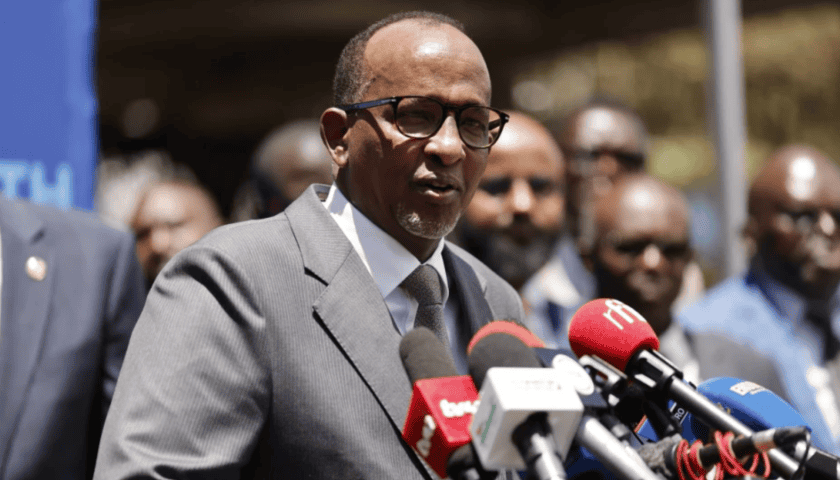
KENYA—Kenya has discharged its last Ebola patient, after all seven surviving patients recovered from the Bundibugyo virus disease outbreak, allowing the country to begin the 42-day countdown towards an official declaration that the outbreak is over.
Health Cabinet Secretary Aden Duale confirmed that all seven patients had completed treatment and left hospital.
He also announced that all identified contacts had completed their required medical monitoring.
“On November 3, five patients were discharged. They were the first Kenyans ever to recover from this disease. On November 6, the sixth patient went home,” Duale said during a press briefing.
With the discharge of the final patient, Kenya has recorded seven recoveries and two deaths among nine confirmed cases.
The Ministry of Health reported no new infections since October 19.
Contact tracing and surveillance
The outbreak began with an imported case involving a Kenyan national who travelled from the Democratic Republic of Congo through Uganda and arrived in Nairobi on October 3.
The Ministry confirmed the infection on October 6, triggering a nationwide response involving case identification, isolation, treatment, and contact tracing.
According to Duale, health authorities identified 135 contacts linked to the outbreak and monitored them through designated quarantine facilities.
All completed the required 21-day follow-up period, with the final group released on November 11.
The Ministry will now observe a 42-day period without new infections before formally declaring the outbreak over.
The period represents twice the maximum incubation period of the virus. If no additional cases emerge, Kenya could receive the declaration on December 23.
Healthcare preparedness and economic implications
The government will maintain enhanced surveillance at 26 points of entry, where authorities have screened more than 760,000 travellers since the outbreak began.
Emergency operations centres and rapid response teams will also remain on standby to detect and manage any suspected infections.
The continued surveillance is important because Ebola transmission remains active in the region, particularly in the Democratic Republic of Congo.
Kenya’s health authorities will therefore need to sustain cross-border coordination, laboratory testing capacity and infection prevention measures to minimise the risk of imported infections.
The response has also highlighted the importance of healthcare system readiness, particularly the availability of isolation facilities, trained healthcare workers, diagnostic capacity and protective equipment.
These measures remain essential for protecting healthcare personnel and maintaining public confidence in health services.
Despite the ongoing surveillance, the government maintains that Kenya remains open to international travel, trade, and public gatherings, with no general restrictions imposed on these activities.

Be the first to leave a comment