

Apifa Biotech advances plans for US$216M life sciences park in Kenya
The project, structured as a public-private partnership (PPP) between Apifa Biotech and the Konza Technopolis Development Authority, received approval in April 2026 to proceed to the development phase.
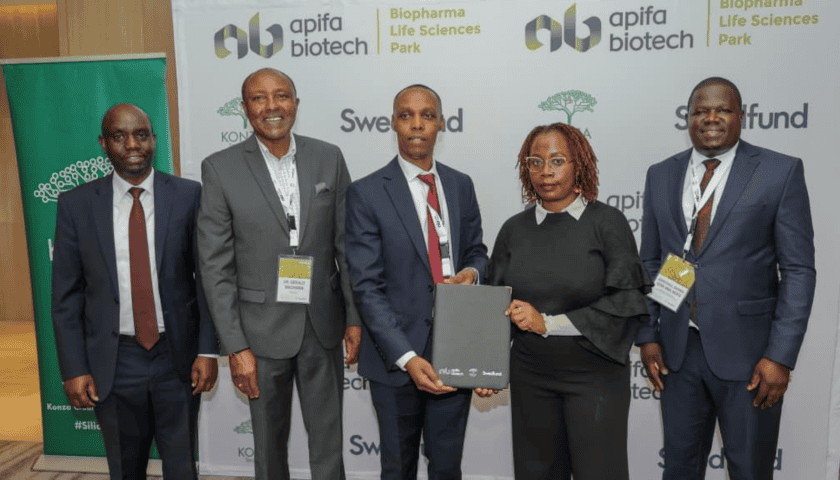
KENYA—Apifa Biotech has secured support from Swedfund International to advance preparations for a proposed US$216 million pharmaceutical and biotechnology Manufacturing Park at Konza Technopolis, Kenya, aimed at expanding local drug production and reducing reliance on imported medicines.
The project, structured as a public-private partnership (PPP) between Apifa Biotech and the Konza Technopolis Development Authority, received approval in April 2026 to proceed to the development phase.
The approval marked a step towards establishing a pharmaceutical and life sciences manufacturing facility targeting Kenya’s growing demand for locally produced medicines.
Swedfund International, Sweden’s development finance institution, has now committed funding to support project preparation and feasibility studies.
The funding will help assess the project’s commercial viability, strengthen its investment proposition and prepare it for subsequent development stages.
Feasibility studies to assess investment potential
The proposed development, valued at KSh 27.8 billion (US$216 million), will focus on biotechnology and pharmaceutical manufacturing.
Its objectives include reducing Kenya’s dependence on imported medicines, expanding domestic manufacturing capacity and positioning the country as a regional supplier of pharmaceutical products.
To support the feasibility assessment, Apifa Biotech has selected a consortium comprising Jones Lang LaSalle (JLL) and IQVIA.
The two organisations will bring expertise in life sciences, infrastructure development, investment advisory and healthcare strategy to evaluate the proposed development.
The feasibility studies will provide critical information on the infrastructure requirements, investment needs and commercial opportunities associated with establishing the manufacturing park.
Their findings will also help determine the project’s readiness to attract additional investment and progress towards implementation.
Strengthening pharmaceutical manufacturing capacity
The proposed park comes amid growing efforts across Africa to strengthen local pharmaceutical production, improve access to essential medicines and reduce exposure to international supply chain disruptions.
Kenya continues to rely on imported pharmaceutical products and active pharmaceutical ingredients (APIs), leaving the domestic market exposed to external supply constraints, currency fluctuations and changes in international trade conditions.
Expanding local manufacturing could help address some of these vulnerabilities while supporting technology transfer, industrial development and skilled employment.
Apifa Biotech plans to work with its partners to expand the production of essential medicines and APIs across Africa.
Its broader strategy includes mobilising and structuring financing for pharmaceutical manufacturing, investing in research and development (R&D), developing industrial infrastructure and supporting the expansion of manufacturing capacity across the continent.


Be the first to leave a comment