

Kenya launches 2026/2027 campaign to distribute 10.79M malaria prevention nets
The campaign aims to distribute approximately 10.79 million mosquito nets across 18 counties and 99 sub-counties to strengthen malaria prevention and support the country’s malaria elimination efforts.
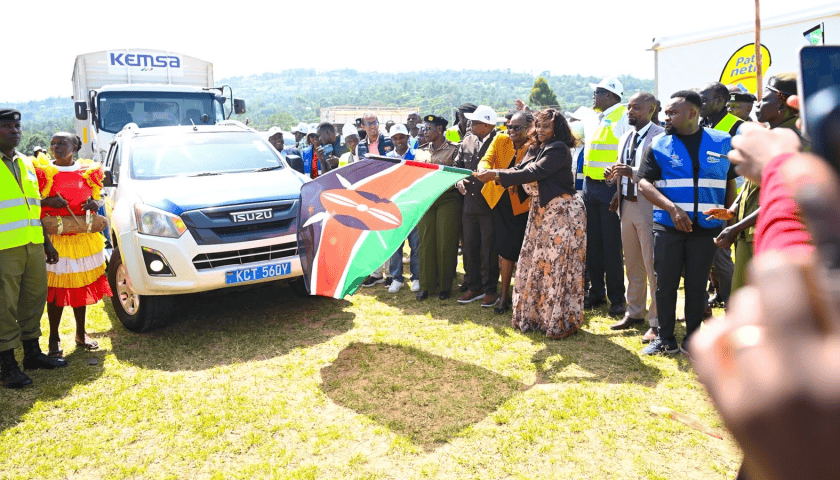
KENYA — The Government of Kenya has launched its 2026/2027 Mass Long-Lasting Insecticidal Net (LLIN) Distribution Campaign in Bungoma County.
The campaign aims to distribute approximately 10.79 million mosquito nets across 18 counties and 99 sub-counties to strengthen malaria prevention and support the country’s malaria elimination efforts.
Presiding over the national launch at Bayula Stadium in Sirisia, Bungoma County, Principal Secretary for Public Health and Professional Standards Mary Muthoni described the campaign as an investment in preventive healthcare and household protection.
She said the initiative also supports the Government’s Universal Health Coverage agenda by expanding access to essential malaria prevention tools.
Targeted deployment of next-generation mosquito nets
The distribution strategy will take into account malaria prevalence and insecticide resistance patterns across the targeted areas.
In regions where mosquitoes have developed high resistance to conventional insecticides, the Government will deploy next-generation nets containing dual active ingredients to improve protection.
This targeted approach reflects the growing importance of insecticide resistance management in malaria control programmes.
Selecting nets according to local resistance patterns can help maintain the effectiveness of vector control interventions and strengthen the impact of public health investments.
Digital tracking and community mobilisation
The campaign will use the DigiMal-KE digital platform to improve household registration, monitor net distribution and strengthen accountability throughout the supply chain.
The system will support tracking from central warehouses to individual households, helping authorities monitor coverage and identify gaps in distribution.
Community Health Promoters will also support implementation by mobilising households, validating beneficiary information and encouraging consistent use of the distributed nets.
Their involvement is expected to strengthen community participation and improve the adoption of malaria prevention measures.
The combination of digital monitoring and community-based distribution is intended to improve operational efficiency, reduce gaps in household coverage and strengthen oversight of publicly funded malaria control commodities.
Bungoma County Deputy Governor Janepher Mbatiany, Kenya Medical Supplies Authority (KEMSA) Chief Executive Officer
Be the first to leave a comment