

Rwanda expands bacteriology laboratory network to strengthen fight against antimicrobial resistance
The expansion will help clinicians identify bacteria causing infections and determine which antibiotics remain effective, reducing reliance on empirical treatment based solely on patients’ symptoms and clinical assessments.
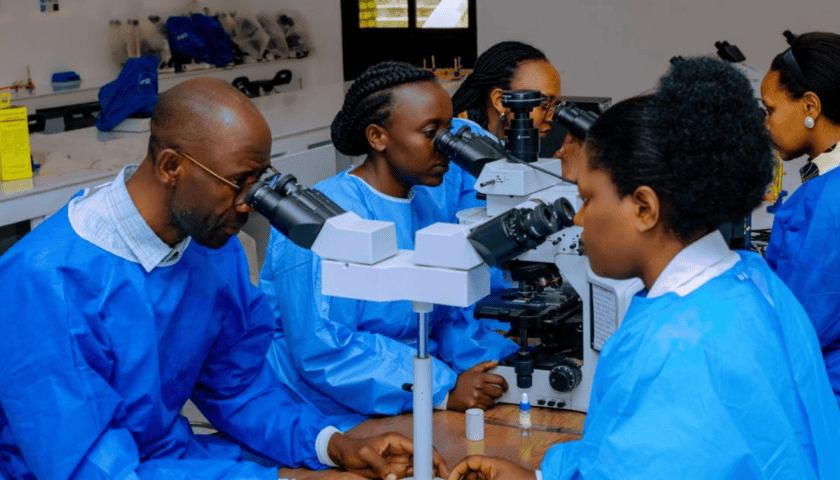
RWANDA— Rwanda has expanded its bacteriology laboratory network to 20 facilities, with two hospitals joining in July 2026, to improve infection diagnosis and guide antibiotic treatment amid growing concerns over antimicrobial resistance (AMR).
The expansion will help clinicians identify bacteria causing infections and determine which antibiotics remain effective, reducing reliance on empirical treatment based solely on patients’ symptoms and clinical assessments.
Noel Gahamanyi, Director of the Microbiology Unit at the Rwanda Biomedical Centre (RBC), said Kibagabaga and Kabgayi Level Two Teaching Hospitals joined the network in July to strengthen diagnostic capacity and promote appropriate antibiotic use.
“These laboratories will increase testing to identify bacteria causing diseases and determine the effective antibiotics, thereby reducing empirical treatment,” he told The New Times.
The 20 facilities are distributed across Kigali and Rwanda’s four provinces, covering referral, district and teaching hospitals.
The network includes major facilities such as King Faisal Hospital, Rwanda Military Referral and Teaching Hospital, University Teaching Hospital of Kigali (CHUK) and University Teaching Hospital of Butare (CHUB).
AMR surveillance highlights antibiotic resistance
The expansion comes amid evidence of declining antibiotic effectiveness in local healthcare facilities.
A 2024 study involving 122 adult inpatients at a Kigali referral hospital found that 98% had received antibiotics before samples were collected for microbiological testing.
Among the Gram-negative bacteria examined, susceptibility stood at 27% for ceftriaxone, 2.4% for co-amoxiclav and 44% for ciprofloxacin.
Published in Antimicrobial Resistance and Infection Control, the study highlighted the need for wider access to microbiological testing and stronger resistance surveillance.
Another study published in Antibiotics in October 2024 found that 39.3% of inpatients surveyed at CHUK were receiving at least one antimicrobial.
Of 232 antibacterials prescribed, 65.1% belonged to the World Health Organization’s Watch category, which includes antibiotics requiring careful monitoring because of their higher potential to drive resistance.
Researchers also found that clinicians requested culture tests for only 27.1% of patients receiving antibiotics, while just 10.4% of prescriptions documented treatment review or stop dates.
One Health approach and stewardship measures
Charles Muhinda, a clinical microbiologist at the University of Rwanda and Umeå University in Sweden, warned that inappropriate use of broad-spectrum and last-resort antibiotics could accelerate resistance.
He identified self-medication, non-prescription antibiotic purchases, leftover medicines and incorrect dosing as additional contributors to treatment failure, adverse effects and rising healthcare costs.
Muhinda called for stronger laboratory capacity and antimicrobial susceptibility testing to support evidence-based prescribing.
He also emphasised the importance of antimicrobial stewardship programmes that encourage prescription reviews and treatment adjustments based on laboratory results.
Rwanda is also strengthening its regulatory response through a new law governing animal husbandry and fisheries, published on September 11.
The legislation incorporates the One Health approach, requiring consideration of the links between human, animal, and environmental health.
The country has adopted its second National Action Plan on AMR for 2025–2029, with a budget of Rwf40.1 billion (US$27.8 million).
However, Lambert Christophe Safari, a consultant hospital and clinical pharmacist at CHUB, noted that the previous plan achieved only 34% implementation, highlighting challenges in translating policy commitments into action.
Mariska Kreuger, a medical microbiologist at King Faisal Hospital Rwanda, stressed that hospitals cannot tackle AMR independently.
She called for responsible antimicrobial use across healthcare, agriculture and food production.
Meanwhile, Marcel Ishimwe, founder and chief executive officer of AMR Initiative Rwanda, urged pharmacists to strengthen prescription reviews and monitor antibiotic consumption.
He also called on farmers to use veterinary antibiotics responsibly, observe withdrawal periods and improve farm hygiene, vaccination and biosecurity.
For Rwanda’s healthcare sector, the expansion creates opportunities to strengthen diagnostic services, improve antibiotic stewardship and generate resistance data to guide treatment policies.
Wider access to laboratory testing will also be important in supporting hospitals as they respond to changing patterns of bacterial resistance.


Be the first to leave a comment