

WHO issues conditional Zoliflodacin recommendation for gonorrhoea
Under its interim guidelines, WHO recommends a single 3 g oral dose of zoliflodacin as an additional treatment option for uncomplicated gonorrhoea affecting the genital and urinary tracts in adolescents and adults.
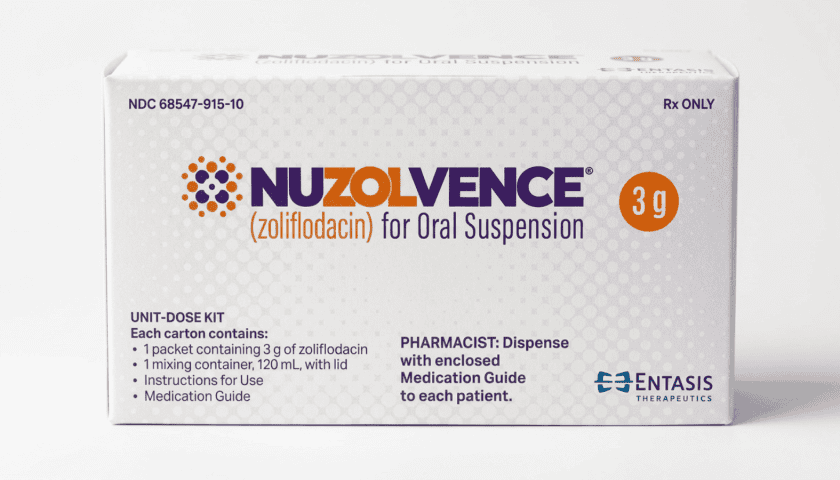
SWITZERLAND—The World Health Organization (WHO) has conditionally recommended zoliflodacin, a new oral antibiotic, as an additional single-dose treatment for uncomplicated gonorrhoea, aiming to expand treatment options amid growing antimicrobial resistance.
Gonorrhoea is a common, curable sexually transmitted infection (STI) caused by Neisseria gonorrhoeae.
However, the bacterium has developed resistance to successive classes of antibiotics, making the infection increasingly difficult to treat.
WHO estimated 82.4 million new infections among adults globally in 2020, with a disproportionate burden among adolescent girls and young women in high-burden countries, sex workers, men who have sex with men and transgender women.
New treatment recommendations
Under its interim guidelines, WHO recommends a single 3 g oral dose of zoliflodacin as an additional treatment option for uncomplicated gonorrhoea affecting the genital and urinary tracts in adolescents and adults.
The recommendation excludes throat and rectal infections, as well as severe cases.
WHO also advises against using the drug during pregnancy based on currently available evidence.
Ceftriaxone, administered as a single 1 g intramuscular dose, remains the recommended first-line treatment.
“Gonorrhoea has repeatedly demonstrated its extraordinary ability to develop resistance to medicines, steadily eroding our treatment options,” said Dr Tereza Kasaeva, director of WHO’s Department for HIV, Tuberculosis, Hepatitis and Sexually Transmitted Infections.
She noted that an oral treatment could simplify delivery by eliminating the need for an injection and expanding the options available to patients and healthcare providers.
WHO also evaluated gepotidacin, another oral antibiotic, but did not recommend it for routine gonorrhoea treatment.
Its use may be considered in specific circumstances when ceftriaxone cannot be administered.
Antimicrobial resistance surveillance
Alongside the treatment guidelines, WHO released its 2026 Enhanced Gonococcal Antimicrobial Surveillance Programme (EGASP) report, presenting resistance data from 10 countries across five WHO regions.
The findings showed substantial differences in resistance patterns between participating countries.
Resistance to ceftriaxone and cefixime was detected in four countries, while eight reported resistance to azithromycin.
The highest country-level resistance proportions reached 16% for ceftriaxone, 47% for cefixime and 16% for azithromycin.
WHO emphasised the need for continued surveillance to identify emerging resistance, assess treatment effectiveness and guide national prescribing policies.
The organisation also launched an online compendium of antimicrobial stewardship resources for STI management.
The platform provides guidance and practical tools to support responsible antibiotic use, strengthen resistance surveillance and monitor treatment failures.
For pharmaceutical manufacturers and healthcare systems, introducing new antibiotics will require investment in surveillance, responsible prescribing and equitable access.
WHO also highlighted the importance of monitoring treatment outcomes and investigating suspected failures to preserve the effectiveness of existing and newly introduced medicines.
Continued research and development of antibiotics with novel mechanisms of action will remain important in addressing gonorrhoea resistance and expanding future treatment options.

Be the first to leave a comment