WHO issues first comprehensive clinical guidelines for flavovirus care amid ongoing Bundibugyo outbreak
The new framework sets out 16 evidence-based recommendations designed to strengthen patient care and improve survival rates during outbreaks.
Published
SWITZERLAND—The World Health Organization (WHO) has introduced its first comprehensive clinical guidelines for managing filovirus diseases, including all forms of Ebola and Marburg virus infections.
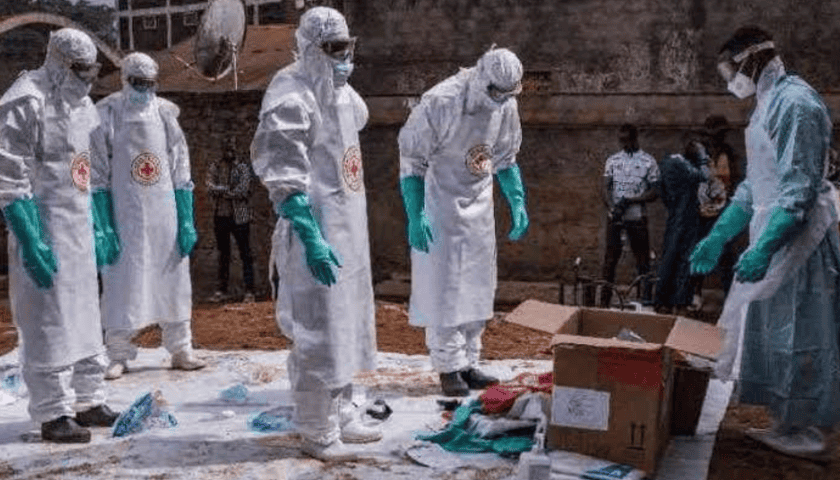
The release comes as the Democratic Republic of the Congo battles an active Ebola outbreak linked to the Bundibugyo virus strain.
The new framework sets out 16 evidence-based recommendations designed to strengthen patient care and improve survival rates during outbreaks.
It places strong emphasis on early supportive treatment as the cornerstone of clinical management, especially in resource-limited settings where advanced therapies may not be immediately available.
Strengthening early supportive care
Ebola and Marburg diseases remain among the deadliest viral infections known, with fatality rates ranging from 25% to as high as 90% in severe outbreaks.
Since 1967, Africa has recorded more than 70 outbreaks of these diseases, which have repeatedly strained health systems and disrupted communities.
The guidelines highlight that timely supportive care can significantly improve outcomes, even in the absence of licensed treatments for several strains, including Marburg, Sudan, and Bundibugyo viruses.
They recommend rapid correction of dehydration using oral or intravenous fluids, along with early intervention for shock through careful use of intravenous therapy and vasoactive medicines guided by continuous monitoring of vital signs.
In addition, the document stresses the importance of routine laboratory testing to detect complications such as hypoglycaemia and metabolic imbalance.
It also advises prompt treatment of secondary bacterial infections, including sepsis, using appropriate antibiotics when clinically indicated.
Clinical coordination and patient recovery
The WHO further recommends structured post-recovery care for survivors of filovirus disease, focusing on long-term monitoring and management of potential complications associated with viral persistence.
Health workers are encouraged to identify clinical deterioration early and respond with targeted interventions to prevent avoidable deaths.
The guidelines also aim to harmonize clinical practices across countries, ensuring that health facility administrators and policymakers can better plan for outbreaks.
This includes strengthening supply chains for essential medicines, laboratory equipment, and trained personnel to support frontline response teams.
Outbreak Context in the DRC
The current Ebola Bundibugyo outbreak in the Democratic Republic of the Congo and neighbouring regions continues to test public health systems.
Health authorities are working with international partners to improve case detection, strengthen isolation protocols, and expand access to supportive care.
WHO Director-General Dr Tedros Adhanom Ghebreyesus noted that the guidelines reflect lessons learned from decades of outbreak response.
He emphasized that high-quality, patient-centred care remains essential not only for survival but also for preserving dignity during health emergencies.
Building a Unified Response Framework
Developed through global expert consultations, the guidelines translate years of clinical evidence into practical tools for frontline health workers.
WHO says the recommendations will also support ongoing research into antiviral therapies by ensuring standardized care across treatment centers, helping improve comparability of clinical trial outcomes and response strategies.
Sign up HEREto receive our email newsletters with the latest news and insights from Africa and around the world, and follow us on LinkedInfor updates.



Be the first to leave a comment