Moscow expands medical AI standards as digital healthcare adoption accelerates in Russia
Moscow researchers developed a series of national standards, known as GOST standards, covering the creation, testing, and clinical use of AI technologies.
Updated
RUSSIA—Moscow is strengthening its position as a leader in healthcare artificial intelligence (AI) by expanding the regulatory framework that governs the development, testing, and deployment of AI-powered medical technologies.
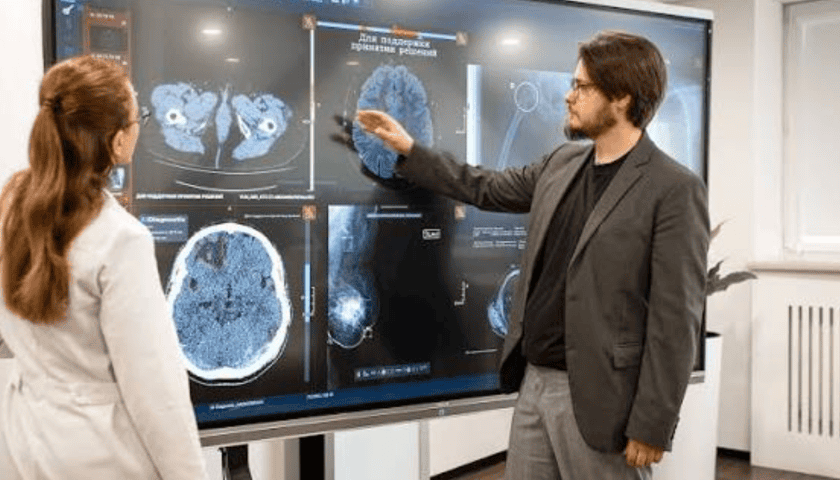
According to Moscow Mayor Sergei Sobyanin, AI has become an integral part of the city’s healthcare system, supporting physicians in diagnosing diseases, recommending tests, and interpreting millions of medical images, including X-rays, CT scans, and MRI studies.
As AI tools take on a larger role in patient care, Moscow is focusing on creating standards that ensure these technologies remain safe, reliable, and effective.
Building a regulatory framework for medical AI
Sobyanin noted that Moscow’s AI journey began with numerous experimental projects developed by independent teams.
While many early solutions lacked maturity, several successfully completed testing, obtained regulatory approval from Roszdravnadzor, and entered clinical practice.
Over time, healthcare professionals and developers gained valuable experience, allowing the most effective technologies to emerge.
This progress highlighted the need for standardized approaches to evaluating and implementing AI systems in medicine.
To address this need, Moscow researchers developed a series of national standards, known as GOST standards, covering the creation, testing, and clinical use of AI technologies.
The standards aim to prevent common implementation challenges while ensuring patient safety and quality control.
According to city officials, Moscow has already developed 28 national standards for medical AI, with additional standards for generative AI currently under development.
One of the earliest standards, GOST R 59921.1-2022, came into force in September 2022 and established requirements for clinical trials of AI systems before their introduction into healthcare settings.
New standards enter force
The regulatory effort has accelerated in recent years.
Since the beginning of 2025, seven national standards and two preliminary standards have taken effect, defining requirements for the functionality, reliability, and safe use of AI technologies in healthcare settings.
These guidelines cover both analytical AI systems and newer technologies capable of generating content and data.
In 2026, Russia also approved GOST R 72484-2025, which establishes common terminology and classification systems for healthcare AI.
The standard creates a shared language for developers, regulators, clinicians, and healthcare organizations, helping reduce misunderstandings and improving collaboration across the sector.
The city has also adopted five new standards that utilize benchmark datasets containing verified reference answers.
These datasets serve as comprehensive examinations for AI systems before they are approved for use in Moscow’s healthcare network.
Solutions that fail to meet performance requirements are returned to developers for further improvement.
Recent AI healthcare initiatives
The standards rollout comes as Moscow continues to expand the practical use of AI across its healthcare system.
Earlier this month, the city launched its 18th AI-powered imaging service through the MosMedAI platform, enabling automatic detection and grading of scoliosis on X-ray images.
The tool is designed to reduce radiologists’ workload while improving diagnostic consistency.
The platform now processes more than one million imaging studies every month and supports healthcare facilities across dozens of Russian regions.
The Center for Diagnostics and Telemedicine of the Moscow Healthcare Department has also released new educational manuals to help clinicians use AI safely in radiology.
The publications support training efforts as AI becomes increasingly integrated into routine clinical workflows.
Officials say standards development remains an ongoing process that combines scientific research, clinical expertise, and public consultation.
Draft standards are published for review, allowing stakeholders to submit feedback before final approval.
The initiative is coordinated through the Technical Committee for Standardization “Artificial Intelligence” under Rosstandart, with the Center for Diagnostics and Telemedicine playing a leading role in the effort.
Sign up HEREto receive our email newsletters with the latest news and insights from Africa and around the world, and follow us on LinkedInfor updates.



Be the first to leave a comment