China’s NMPA approves Satricabtagene Autoleucel for solid tumor
The decision makes satri-cel the first CAR-T therapy anywhere in the world to receive regulatory approval for a solid tumor indication.
Updated
CHINA — China has approved the world’s first CAR-T cell therapy for the treatment of a solid tumor, marking a major breakthrough in cancer care and giving CARsgen Therapeutics a historic first for the rapidly evolving cell therapy field.
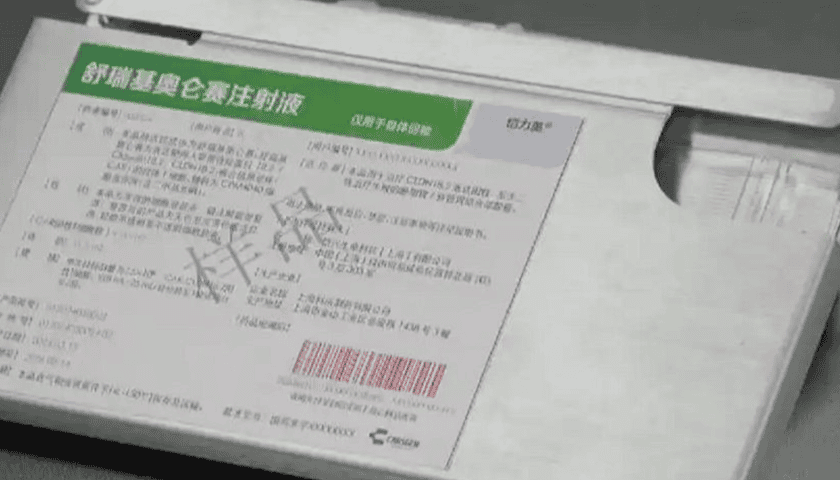
The approval, granted by China’s National Medical Products Administration (NMPA), allows the use of satricabtagene autoleucel (satri-cel) in patients with Claudin18.2-positive, HER2-negative advanced gastric or gastroesophageal junction adenocarcinoma who have failed at least two previous lines of treatment.
The decision makes satri-cel the first CAR-T therapy anywhere in the world to receive regulatory approval for a solid tumor indication.
A Breakthrough for Solid Tumor Treatment
CAR-T therapies have transformed the treatment of blood cancers such as leukemia and lymphoma, but researchers have struggled for years to achieve similar success against solid tumors because of their complex and hostile tumor environments.
Satri-cel addresses part of that challenge by targeting Claudin18.2, a protein that is highly expressed in gastric cancers but is limited in normal tissues.
CARsgen said it was the first company to identify and validate Claudin18.2 as a viable target for CAR-T therapy in solid tumors.
The therapy is designed to recognize and attack cancer cells carrying the protein while minimizing damage to healthy tissue.
The approval follows encouraging results from a pivotal Phase II study comparing satri-cel with physician-selected chemotherapy.
Patients receiving satri-cel achieved a median progression-free survival of 3.25 months, compared with 1.77 months in the control group.
Median overall survival reached 7.92 months versus 5.49 months for patients receiving standard treatment.
To improve treatment effectiveness, CARsgen also developed a specialized preconditioning regimen that combines low-dose nab-paclitaxel with conventional lymphodepletion chemotherapy before CAR-T infusion.
Expansion Plans Already Underway
The approval comes just weeks after new data presented at the 2026 American Society of Clinical Oncology (ASCO) Annual Meeting highlighted the potential of satri-cel in earlier treatment settings for gastric cancer.
The company is currently evaluating the therapy in early-line and perioperative treatment strategies, while additional studies are underway in pancreatic cancer.
According to CARsgen founder, CEO and Chief Scientific Officer Dr. Zonghai Li, the company expects to begin treating patients within weeks and anticipates receiving approximately 200 treatment orders during the second half of 2026. The therapy’s price is expected to be announced shortly.
Professor Lin Shen of Peking University Cancer Hospital, who led the clinical development program, said the approval could reshape treatment options for advanced gastric cancer and pave the way for broader use of cellular therapies in gastrointestinal tumours.
Gastric cancer remains a major public health challenge, particularly in Asia, where more than 70% of new cases and deaths occur.
China alone accounts for nearly half of the global disease burden.
Other World-First Approvals
Alongside satri-cel, the NMPA approved several other first-in-class therapies.
Sichuan Biokin Pharmaceutical received approval for izalontamab brengitecan (iza-bren), the world’s first bispecific antibody-drug conjugate, for patients with recurrent or metastatic nasopharyngeal carcinoma who have exhausted multiple treatment options.
Bristol Myers Squibb previously secured the drug’s ex-China rights through an agreement worth up to US$8.4 billion, including an upfront payment of US$800 million.
The regulator also cleared Pulai Pharmaceutical’s novel antibacterial spray containing peceleganan, a non-antibiotic antimicrobial peptide designed to treat infected wounds and superficial burns caused by drug-resistant bacteria.
In infectious diseases, Genrix Bio received approval for silevimig, the world’s first bispecific antibody for post-exposure prophylaxis against rabies.
The therapy targets two different rabies virus epitopes and is designed to provide passive immunity following suspected exposure.
Meanwhile, Eli Lilly secured approval for Inluriyo, an oral selective estrogen receptor degrader (SERD), for patients with ER-positive, HER2-negative, ESR1-mutant advanced or metastatic breast cancer.
Chinese regulators also approved its use in combination with Lilly’s CDK4/6 inhibitor Verzenio (abemaciclib), expanding treatment options for eligible patients.
Sign up HEREto receive our email newsletters with the latest news and insights from Africa and around the world, and follow us on LinkedInfor updates.

Be the first to leave a comment