Africa CDC appeals for US$18 M to fund Ebola therapeutic trials
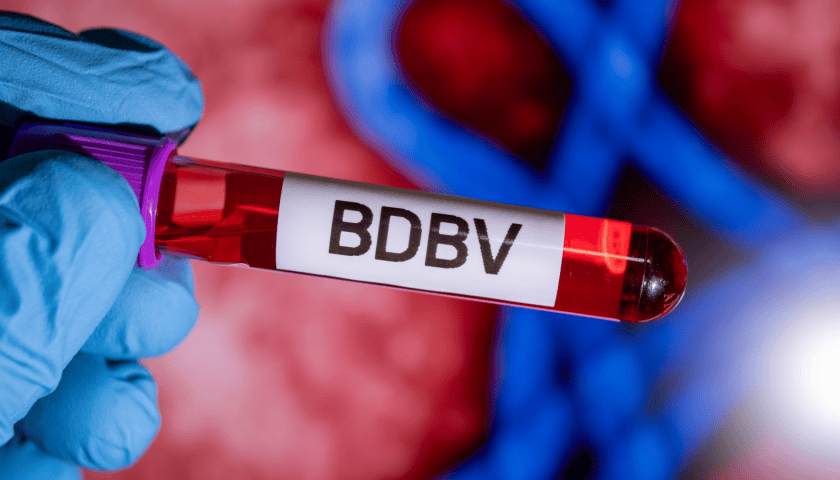
Unlike previous Ebola epidemics caused by the Zaire strain, the current Bundibugyo outbreak has no licensed vaccine or approved treatment, making research an urgent public health priority.
Updated
ETHIOPIA—The Africa CDC has welcomed the launch of clinical trials assessing experimental treatments for Bundibugyo Ebola virus disease in Bunia, eastern Democratic Republic of the Congo (DRC).
They describe the milestone as a major step in the fight against one of the world’s rarest and least understood Ebola strains.
The trials, initiated this week in partnership with the DRC government, clinical investigators, and international allies, aim to produce vital evidence on treatments that may enhance patient outcomes and bolster global readiness for future Ebola outbreaks.
Unlike previous Ebola epidemics caused by the Zaire strain, the current Bundibugyo outbreak has no licensed vaccine or approved treatment, making research an urgent public health priority.
Africa CDC said the rapid launch of the studies reflects one of the fastest scientific mobilizations ever mounted against a newly emerging Ebola strain.
However, the agency warned that a significant funding shortfall now threatens to delay or disrupt the research before it can deliver meaningful results.
Funding gap threatens research
Africa CDC has appealed to governments, multilateral development banks, philanthropic organizations, private-sector partners, and international donors to urgently provide US$16 million to sustain the clinical trials.
According to the agency, therapeutic studies require a total of US$26 million.
While US$10 million has already been secured, a US$16 million gap remains to complete the post-exposure prophylaxis trial of the investigational antiviral obeldesivir among people exposed to the virus.
An additional US$2–3 million is also needed to strengthen contact tracing, a critical component for identifying eligible participants and monitoring transmission.
Africa CDC Director-General Dr. Jean Kaseya stressed that scientific readiness alone will not save lives without immediate financial support.
“We have the science. We now need the funding to use it. Clinical trials must start this week, and every day of delay costs lives we could save,” he said.
Testing multiple experimental therapies
The research program brings together Africa CDC, the World Health Organization (WHO), ANRS, the University of Oxford, IAVI, and the Coalition for Epidemic Preparedness Innovations (CEPI), Gilead Sciences, and several other scientific partners.
The portfolio includes the first-ever post-exposure prophylaxis study for Bundibugyo Ebola using oral obeldesivir to prevent infection among exposed contacts.
Researchers are also conducting adaptive randomized treatment trials evaluating remdesivir and the monoclonal antibody therapy MBP134 to determine whether they can reduce deaths among infected patients.
In parallel, scientists are advancing studies on cross-protective vaccines while accelerating the development and future manufacturing of vaccine candidates specifically designed for the Bundibugyo strain.
Although financing for vaccine development is largely secured, the Africa CDC said therapeutic research remains significantly underfunded, placing the overall response at risk.
Growing outbreak raises urgency
The appeal comes as the Bundibugyo Ebola outbreak continues to expand across eastern DRC, with additional cases reported in neighboring Uganda.
This outbreak is the largest ever recorded for this Ebola strain, while health officials warn that insecurity, population displacement, and limited access to affected communities continue to complicate surveillance, contact tracing, and patient care.
Separately, the United Nations Development Programme (UNDP) has warned that the outbreak could cost Africa as much as US$3.6 billion if transmission spreads further across the region.
The agency said rapid investment in clinical research, outbreak control, and humanitarian response will be essential to reduce both the health and economic consequences of the epidemic.
Sign up HEREto receive our email newsletters with the latest news and insights from Africa and around the world, and follow us on LinkedInfor updates.



Be the first to leave a comment