Malaria Journal Study reveals key drivers for improving child malaria prevention in South Sudan
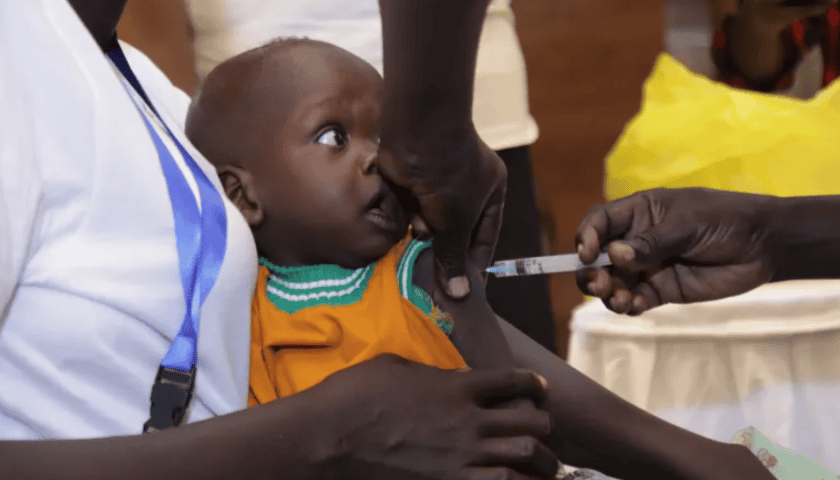
Since South Sudan introduced SMC in 2022, the programme has helped protect children aged three to 59 months from malaria during peak transmission periods.
Published
SOUTH SUDAN—A new study has identified key factors that could improve the delivery of seasonal malaria chemoprevention (SMC) in conflict-affected areas of South Sudan, where flooding, population displacement, and weak health infrastructure continue to hinder access to essential malaria prevention services.
Published in Malaria Journal, the study examined the drivers and barriers affecting SMC delivery in Aweil South and Aweil West counties in Northern Bahr el Ghazal state.
The findings could help strengthen SMC as a national malaria prevention strategy and ensure that life-saving antimalarial medicines reach vulnerable children in complex humanitarian settings.
“Operational research can be translated into targeted actions to strengthen service delivery, improve coverage and maximise impact for vulnerable children,” said Dr Jamshed Khan, Country Technical Coordinator for Malaria Consortium South Sudan.
Since South Sudan introduced SMC in 2022, the programme has helped protect children aged three to 59 months from malaria during peak transmission periods.
However, ongoing conflict, displacement, flooding and inadequate healthcare infrastructure have complicated programme delivery.
In Aweil South and Aweil West, seasonal flooding and conflict have damaged or disrupted health facilities, limiting communities’ access to care.
SMC coverage stood at 79 percent in 2024, below the national target of 90 percent.
Community engagement supports SMC delivery
The research team assessed the challenges and opportunities affecting SMC implementation in the two counties to identify ways to close coverage gaps.
The study found that community trust plays a central role in the successful delivery of SMC and programme sustainability.
Local health workers, known as boma health workers, and community distributors help residents understand the benefits of SMC and administer the medicines correctly, supporting greater acceptance and uptake.
National data also showed a 72.2 percent decline in malaria cases in Aweil South and Aweil West between 2022 and 2024, following the introduction of SMC.
The researchers also identified the delivery of SMC alongside other malaria control measures, including insecticide-treated net distribution and malaria case surveillance, as an important factor supporting programme implementation.
Building on existing community networks and health system structures could further improve the sustainability of malaria interventions in challenging environments.
Conflict and flooding create operational challenges
Despite these enabling factors, stakeholders identified several barriers that affected SMC implementation during the 2024 campaign.
Conflict and population displacement made it difficult to accurately estimate the number of eligible children, complicating programme planning and resource allocation.
Poor road networks, limited infrastructure and flooding also restricted access to remote and mobile communities, making it more difficult to distribute antimalarial medicines.
In addition, participants reported challenges involving communication systems, workforce capacity and logistical coordination, which affected the efficiency and reach of SMC campaigns.
The findings have since informed efforts to adapt the programme.
In 2025, SMC coverage exceeded 80 percent, while two campaign cycles surpassed the 90 percent target, representing an improvement from the previous year.
“The findings provide valuable evidence for implementing teams and policymakers to develop targeted interventions that address challenges limiting access to and coverage of SMC,” said Abubaker Rom Ayuiel, SMC Project Manager at Malaria Consortium.
The study identified strengthening drug supply chains, expanding healthcare workforce capacity and using innovative approaches, including mobile clinics, as potential ways to improve SMC delivery and access to malaria prevention services in other conflict-affected settings.
Sign up HEREto receive our email newsletters with the latest news and insights from Africa and around the world, and follow us on LinkedInfor updates.



Be the first to leave a comment