Moderna begins Phase 1 trial of mRNA vaccine against Bundibugyo Ebola
The Phase 1 study forms part of an expanded collaboration between Moderna and the Coalition for Epidemic Preparedness Innovations (CEPI).
Published
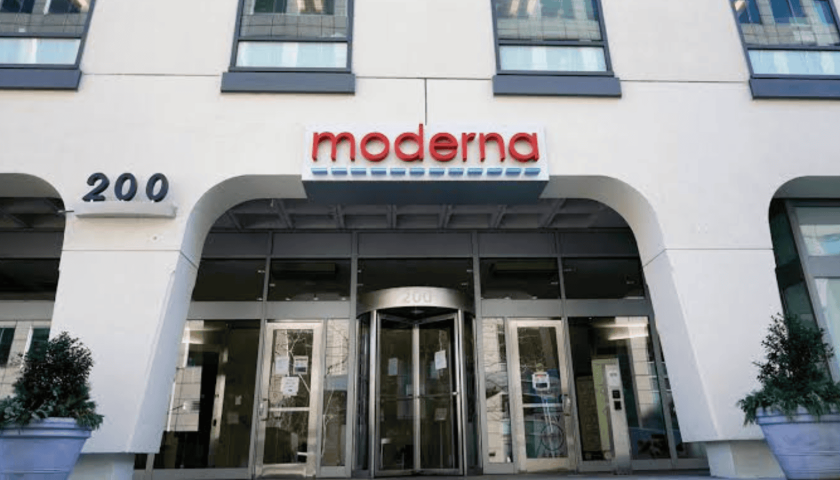
USA—Moderna has begun vaccinating participants in a Phase 1 clinical trial of mRNA-1469, an investigational vaccine targeting Bundibugyo ebolavirus, a strain of Ebola for which no approved vaccine currently exists.
Health Canada authorized the study, which is being conducted at three sites across Canada and is expected to enroll about 80 healthy adults.
The trial will assess the vaccine’s safety, tolerability and ability to generate an immune response, according to Moderna.
mRNA vaccine enters clinical testing
The vaccine candidate uses Moderna’s mRNA technology platform, the same technology the company used to develop its COVID-19 vaccine.
The approach delivers genetic instructions that prompt cells to produce a target antigen, enabling the immune system to recognize and respond to the virus.
The Phase 1 study forms part of an expanded collaboration between Moderna and the Coalition for Epidemic Preparedness Innovations (CEPI).
Under the agreement, CEPI has committed up to US$50 million to support preclinical development and the Phase 1 trial, while also supporting the manufacture of additional clinical doses in parallel with early-stage testing.
This strategy is designed to allow larger Phase 2 and Phase 3 trials to begin rapidly if the initial study produces results that support further development.
“Vaccinating the first participants with mRNA-1469 marks an important milestone in advancing a vaccine candidate against Bundibugyo ebolavirus, for which no approved vaccine currently exists,” Moderna Chief Executive Officer Stéphane Bancel said.
Ebola outbreak drives vaccine development
The Bundibugyo strain is responsible for the ongoing Ebola outbreak in the Democratic Republic of Congo (DRC), which has become the second-largest Ebola outbreak on record.
As of August 1, the outbreak had resulted in 3,748 confirmed cases and 1,657 confirmed deaths, according to figures cited by Reuters from the U.S. Centers for Disease Control and Prevention.
The World Health Organization and Africa Centres for Disease Control and Prevention have declared the outbreak a public health emergency.
CEPI Chief Executive Officer Dr Richard Hatchett said cases are increasing faster than during the 2014–2016 West Africa Ebola epidemic, which remains the largest Ebola outbreak recorded.
The outbreak has intensified efforts to develop vaccines against Bundibugyo ebolavirus because existing licensed Ebola vaccines target other strains, particularly Zaire ebolavirus.
Moderna’s candidate is among several vaccine programmes being advanced in response to the outbreak.
CEPI-backed vaccine programmes
Moderna and CEPI announced their expanded partnership earlier this year, with CEPI also supporting vaccine development by the University of Oxford and the International AIDS Vaccine Initiative.
The programmes use different vaccine technologies as developers seek to accelerate the availability of protection against the Bundibugyo strain.
Oxford’s vaccine candidate, ChAdOx1 BDBV, entered a separate Phase 1 trial in the United Kingdom in July, making it the first Bundibugyo vaccine to enter human clinical testing.
If mRNA-1469 is ultimately approved, Moderna has committed to making at least 500,000 doses available to low- and middle-income countries under access pricing as part of its agreement with CEPI.
Sign up HEREto receive our email newsletters with the latest news and insights from Africa and around the world, and follow us on LinkedInfor updates.



Be the first to leave a comment