

Sidra Medicine introduces two neuroblastoma therapies for children in Qatar
Neuroblastoma is a cancer that develops in immature nerve cells and most commonly affects infants and young children.
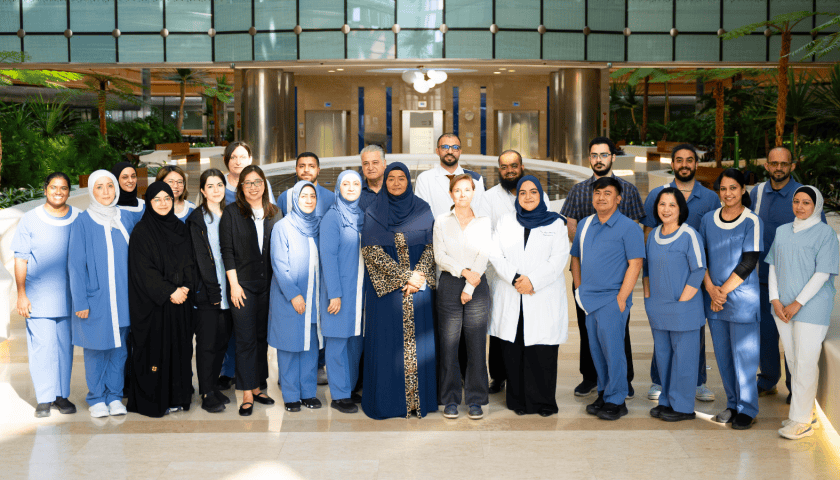
QATAR—Sidra Medicine has introduced two specialised therapies for high-risk neuroblastoma in children in Qatar during Childhood Cancer Awareness Month in September.
The treatments expand access to targeted pediatric cancer care at the specialist hospital.
Sidra Medicine’s Pediatric Hematology and Oncology and Hematopoietic Stem Cell Transplantation (HSCT) teams administered naxitamab (Danyelza®) for the first time in the Gulf Cooperation Council (GCC), followed by dinutuximab beta (Qarziba®) for the first time in Qatar.
Both medicines are anti-GD2 monoclonal antibodies used as part of treatment for high-risk neuroblastoma.
They target GD2, a molecule found at high levels on neuroblastoma cells, and are used in treatment strategies that can include surgery, chemotherapy, radiotherapy and stem cell transplantation.
Expanding specialized pediatric cancer care
Neuroblastoma is a cancer that develops in immature nerve cells and most commonly affects infants and young children.
It usually begins in tissues of the sympathetic nervous system, with the adrenal glands being a frequent site. Most cases are diagnosed before the age of five.
According to Sidra Medicine, introducing the therapies required preparation and coordination across its medical, surgical, nursing, pharmacy, education and wider multidisciplinary teams.
The hospital said the work supports its efforts to broaden access to specialized cancer treatments for children and families in Qatar.
The therapies were administered to two patients following stem cell transplantation.
Their use adds treatment options for children with high-risk neuroblastoma who require complex, multidisciplinary care.
First GCC administration of naxitamab
Issa, who was diagnosed with neuroblastoma at birth, became the first patient in Qatar and the GCC to receive naxitamab.
The therapy formed part of his treatment at Sidra Medicine, which included chemotherapy and autologous stem cell transplantation.
Naxitamab is designed to target GD2 on neuroblastoma cells and is administered with other medicines as part of treatment.
Its introduction at Sidra Medicine involved establishing the clinical protocols, monitoring requirements, and multidisciplinary support needed to administer the therapy safely.
Issa’s father said the family appreciated the care provided by the hospital and the support they received throughout his treatment.
He also highlighted the importance of family support during a prolonged cancer journey.
“A smile and emotional support for your child are essential for every stage of their treatment,” he said.
Building capacity for complex cancer treatment
The introduction of naxitamab and dinutuximab beta also reflects the infrastructure required to deliver advanced pediatric oncology therapies.
Such treatments depend on specialist oncology teams, transplant services, pharmacy support, nursing expertise and close monitoring of patients during and after administration.
For healthcare systems, expanding access to these therapies can reduce the need for families to seek certain specialized treatments outside their home country.
It also requires sustained investment in clinical expertise, treatment protocols, medication management, and multidisciplinary pediatric oncology services.
Sidra Medicine’s latest treatments therefore add two specialized anti-GD2 therapies to the options available for children receiving care for high-risk neuroblastoma in Qatar.


Be the first to leave a comment