
ASLM to promote sustainable diagnostic investment at 2026 Africa health security conference
Held under the theme Integrated Diagnostics for Health Security: Investing in Sustainable Impact, ASLM 2026 will bring together more than 1,500 delegates from Africa and other regions.
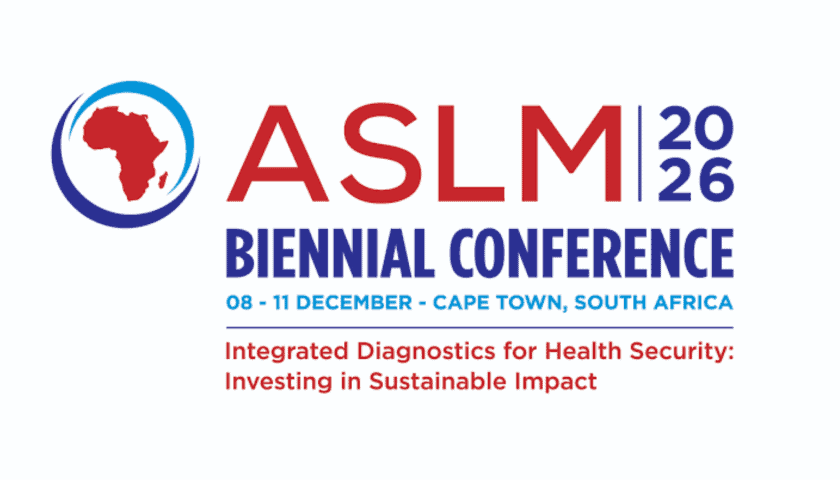
SOUTH AFRICA—The African Society for Laboratory Medicine (ASLM) will convene its 2026 Biennial Conference in Cape Town, South Africa, from 8 to 11 December to advance integrated diagnostics as a foundation for Africa’s health security, disease surveillance and economic resilience.
The conference comes as African health systems face growing pressure to strengthen disease detection, improve access to laboratory services and prepare for emerging public health threats.
The COVID-19 pandemic exposed gaps in the continent’s capacity for early diagnosis, decentralised testing and integrated disease surveillance.
These weaknesses delayed outbreak responses, disrupted essential healthcare services and increased the economic burden on countries.
The challenges remain relevant as antimicrobial resistance (AMR) continues to threaten the effectiveness of existing treatments.
Limited diagnostic capacity can delay the identification of resistant infections, contribute to inappropriate antimicrobial use and increase pressure on healthcare facilities.
Strengthening laboratory systems is therefore central to improving treatment decisions, containing infectious diseases and supporting regional health security.
Conference to address diagnostic capacity gaps
Held under the theme Integrated Diagnostics for Health Security: Investing in Sustainable Impact, ASLM 2026 will bring together more than 1,500 delegates from Africa and other regions.
Participants will include health ministers, public health institutes, scientists, laboratory professionals, policymakers, academic institutions, development partners, multilateral organisations, manufacturers, technology innovators and private sector representatives.
The four-day meeting will provide a platform for scientific exchange, policy discussions and partnerships aimed at strengthening diagnostic infrastructure across the continent.
Discussions will cover pandemic preparedness and response, the future of diagnostics, sustainable financing, laboratory workforce development and regional laboratory networks.
Other priority areas will include antimicrobial resistance, digital health, artificial intelligence and data-driven approaches to disease surveillance and healthcare delivery.
Investment and regional manufacturing in focus
Beyond scientific discussions, the conference will address the financing and industrial capacity required to build sustainable diagnostic systems.
Many African countries continue to depend on imported diagnostic equipment, reagents and laboratory supplies, leaving health systems exposed to global supply chain disruptions, currency pressures and procurement delays.
Greater investment in local and regional manufacturing could improve access to essential diagnostic products, strengthen supply chain security and support the development of Africa’s life sciences industry.
However, achieving this will require coordinated policies, sustainable financing, skilled personnel, quality assurance systems and stronger collaboration between governments, research institutions and private manufacturers.
The conference will also examine how integrated laboratory networks can improve access to testing, particularly in underserved communities, while supporting timely data sharing and coordinated responses to public health emergencies.
Be the first to leave a comment