

World News
-
MSD licenses KRAS G12D drug from China’s SciBrunch in US$2.13B oncology deal
The deal comes as pharmaceutical companies increase investment in therapies that target RAS, a family of proteins involved in regulating cell growth and division.
-
AstraZeneca invests US$2B in Summit Therapeutics for oncology combinations
The companies have also signed a non-binding MoU covering a broader global programme to evaluate ivonescimab in combination with additional AstraZeneca oncology therapies.
-
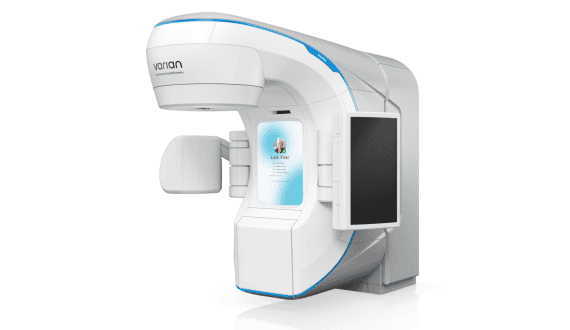
Siemens Healthineers launches Accela radiotherapy platform in Germany
The development of Accela and NeoArc involved collaboration with an advisory group comprising several cancer research and treatment institutions.
-
Merck advances EyeBio’s Remigromig in US trial for diabetic macular edema
Merck plans to present the BRUNELLO results at the American Academy of Ophthalmology Annual Meeting in New Orleans on October 10 and discuss the findings with regulatory authorities.
-
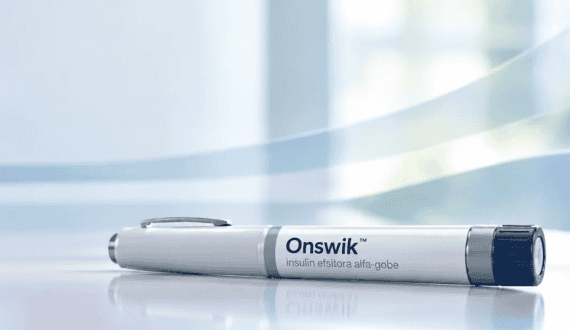
Eli Lilly gains FDA approval for Onswik once-weekly insulin in US diabetes market
The approval is based on Lilly’s QWINT Phase III clinical programme, which evaluated insulin efsitora alfa-gobe in more than 3,400 adults with T2D across four registration studies.
-
Novo Nordisk inks US$1.3B licensing agreement with Sweden’s Nanexa for long-acting injectables
The agreement comes as Novo continues to strengthen its position in cardiometabolic medicines, where longer dosing intervals are a growing focus of research and development.
-
FDA approves AbbVie’s Juvmo for adults with Parkinson’s disease in US
The approval gives AbbVie another Parkinson’s product following its acquisition of Cerevel Therapeutics.
-
Daiichi Sankyo, Merck withdraw FDA BLA for lung cancer drug in US
The withdrawal changes the immediate US regulatory path for the ES-SCLC indication, but the ongoing Phase III programme provides the companies with another source of clinical data.
-

Revvity launches CE-IVDR Type 1 diabetes screening kit in Europe for children
The CE-IVDR-certified test is designed to detect three diabetes-associated autoantibodies (AAbs) that can indicate an increased risk of developing T1D.
-
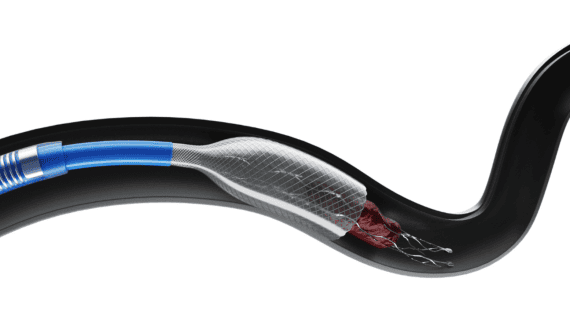
Anaconda Biomed raises US$56M to advance stroke thrombectomy portfolio
Anaconda is targeting the large vessel occlusion stroke market, where mechanical thrombectomy is used to remove blood clots from blocked cerebral arteries.