

Egypt’s GAHAR accredits 945 healthcare facilities across 26 governorates in 2025/26
These initiatives trained 18,016 participants, bringing the cumulative number of healthcare professionals trained through the authority’s training centre to around 34,000.
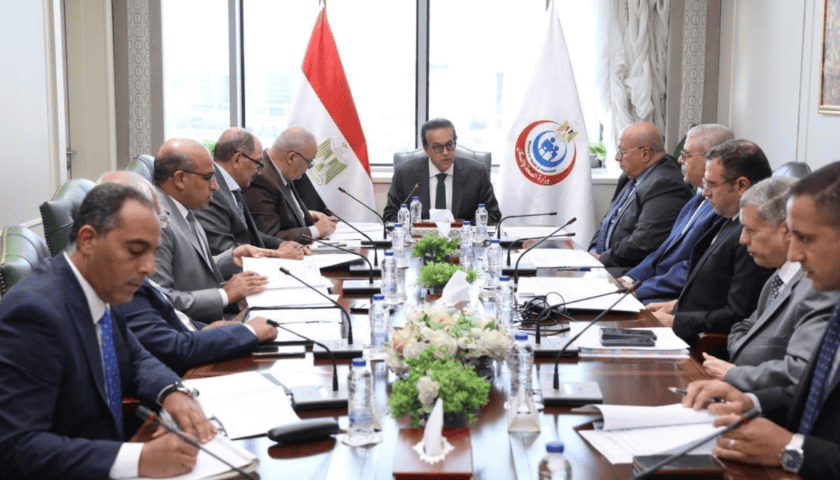
EGYPT—Egypt’s General Authority for Healthcare Accreditation and Regulation (GAHAR) accredited 945 healthcare facilities across 26 governorates and conducted more than 2,100 regulatory visits during the 2025/26 financial year to strengthen healthcare quality and patient safety.
The Ministry of Health and Population announced the figures after Health Minister Khaled Abdel Ghaffar and GAHAR Chairman Ahmed Taha met to review the authority’s annual report.
The activities support Egypt’s efforts to expand its Universal Health Insurance System and establish consistent quality standards across healthcare facilities.
Abdel Ghaffar said accreditation should be assessed not only through numerical indicators but also through its impact on patients.
He called for measurable improvements in care quality and service delivery to guide the authority’s work.
Accreditation and workforce development
During the financial year, GAHAR conducted approximately 600 assessment visits and delivered 798 technical support and preparation programmes.
These initiatives trained 18,016 participants, bringing the cumulative number of healthcare professionals trained through the authority’s training centre to around 34,000.
The ministry said the programmes were delivered in cooperation with 12 universities.
The minister directed GAHAR to extend its training activities to newly appointed doctors and nursing staff.
The initiative aims to equip incoming healthcare workers with the knowledge and practical skills needed to comply with quality and safety requirements.
GAHAR also registered 33,233 healthcare professionals during the year and reviewed the designs of 26 government healthcare projects.
The cumulative number of projects assessed for safe design reached 590, supporting the integration of safety considerations into healthcare infrastructure planning.
Patient feedback and international standards
To monitor service quality, GAHAR collected 168,591 patient experience questionnaires and 18,615 surveys from healthcare providers.
Abdel Ghaffar called on the authority to investigate the causes of patient dissatisfaction and translate survey findings into specific service improvements.
The annual report also highlighted international recognition.
The International Society for Quality in Health Care (ISQua) renewed GAHAR’s institutional accreditation for four years.
In addition, GAHAR’s 2026 standards for specialised medical centres, private clinics and community pharmacies received international accreditation, achieving an assessment score of 99.6%, the ministry said.
The standards address artificial intelligence, telemedicine, clinical governance, medical tourism, sustainability and environmentally responsible healthcare facilities.
They also update requirements covering patient safety, surgery, anaesthesia, medication management and infection control.
These provisions address areas of growing importance as healthcare providers adopt digital technologies, expand specialised services and respond to rising expectations for safe, consistent care.
For facilities operating within Egypt’s expanding insurance system, accreditation requirements provide a framework for assessing service quality and operational practices.
Healthcare worker compensation fund
Separately, Abdel Ghaffar chaired the seventh meeting of the Medical Professions Risk Compensation Fund board.
Discussions covered compensation for deaths and cases of total or partial disability associated with healthcare work, alongside the fund’s financial position and investment plans.
The board also discussed relocating the fund’s headquarters to the Labour Ministry in December and proposed cooperation with the Ministry of Health and Population, the Egyptian Health Council, and the Supreme Council of University Hospitals.
Abdel Ghaffar said the fund should prioritise spending that directly benefits healthcare workers and reduces occupational risks.
The ministry did not disclose the fund’s total revenues or balances or the value of compensation paid through the end of August.
Be the first to leave a comment