

Everest Medicines receives priority review for local VELSIPITY manufacturing in China
The NMPA approved VELSIPITY in February 2026 for adults with moderately to severely active ulcerative colitis (UC) who had an inadequate response, lost response or were intolerant to conventional therapy or a biologic agent.
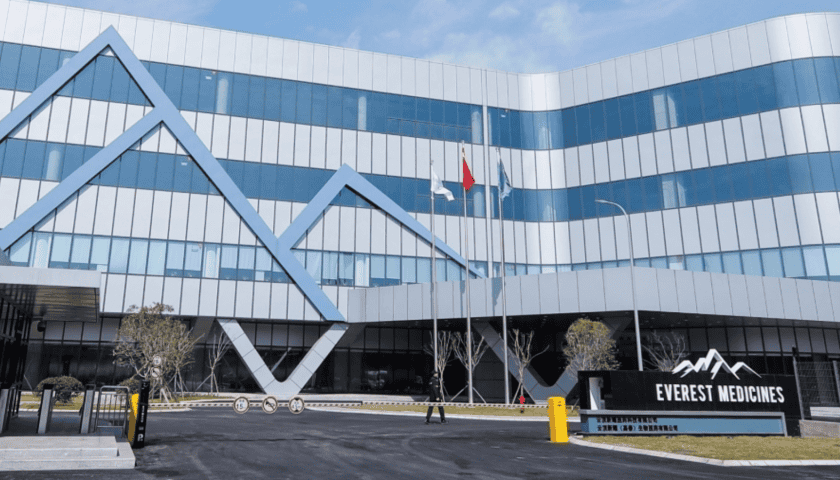
CHINA—Everest Medicines has secured priority review for localized VELSIPITY manufacturing in China to improve supply capacity and support the drug’s commercial rollout.
The Center for Drug Evaluation (CDE) of China’s National Medical Products Administration (NMPA) has accepted the company’s application for localized manufacturing of VELSIPITY (etrasimod arginine tablets).
The company expects local production to begin in 2027, subject to regulatory approval.
Local production plans
The project has progressed since Everest Medicines began preparations at its global manufacturing facility in Jiashan, Zhejiang Province, in March 2025.
Current activities include technology transfer, process optimization and preparations for commercial-scale production.
Once operational, the facility is expected to produce up to 50 million tablets annually.
Local manufacturing could improve supply continuity in China, reduce production costs, and streamline distribution as demand for the ulcerative colitis treatment develops.
The move also reflects a broader industry trend among pharmaceutical companies to establish regional manufacturing capacity for products with growing commercial potential.
For Everest Medicines, local production could provide greater control over supply and manufacturing operations as it expands its presence in the Chinese autoimmune disease market.
VELSIPITY expands in China
The NMPA approved VELSIPITY in February 2026 for adults with moderately to severely active ulcerative colitis (UC) who had an inadequate response, lost response or were intolerant to conventional therapy or a biologic agent.
The oral, once-daily treatment is a selective sphingosine 1-phosphate (S1P) receptor modulator.
Its approval adds another treatment option for patients with active UC, a chronic inflammatory bowel disease that can require long-term management.
China issued the first prescription in March 2026, marking the start of clinical use.
Everest Medicines is also negotiating the drug’s potential inclusion in China’s National Reimbursement Drug List (NRDL), which could affect patient access and future demand.
VELSIPITY has also been approved in Hong Kong SAR, Macao SAR, Singapore and South Korea.
The company expects regulatory approval in Taiwan, China, during the second half of 2026.
Clinical evidence and market opportunity
UC incidence and prevalence in China have continued to rise, with the disease increasingly affecting younger patients.
The number of patients is projected to increase from about 0.98 million in 2025 to 1.50 million by 2031, according to data cited by Everest Medicines.
Clinical data presented at ECCO 2026 and AOCC 2026 reported sustained efficacy with continuous VELSIPITY treatment for up to three years.
Additional findings showed benefits among patients previously treated with 5-ASA or thiopurines and those with prior biologic exposure.
Studies also reported long-term safety and tolerability for up to five years.
Manufacturing and commercial strategy
VELSIPITY is included in recent clinical guidelines from the American Gastroenterological Association, the American College of Gastroenterology, the Asian Pacific Association of Gastroenterology and the European Crohn’s and Colitis Organization.
Everest Medicines operates a commercial-scale manufacturing facility in Jiashan with a GMP quality management system aligned with Chinese, European Union, and World Health Organization standards.
The site holds a manufacturing license and is being prepared to support localized VELSIPITY production.
The company plans to use its A2MS commercial operating system and lean management capabilities to integrate local production into its broader commercial strategy for autoimmune diseases.

Be the first to leave a comment