

FDA establishes CBER Safety Council to strengthen post-marketing oversight of biologics in USA
The new structure will be led by a Senior Advisor for Postmarketing Safety and draw on analytical expertise from other FDA divisions.
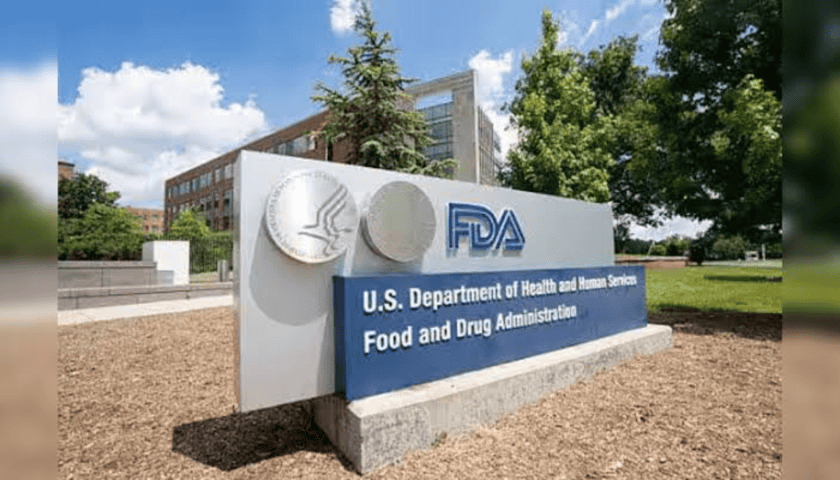
USA—The US Food and Drug Administration (FDA) has established a new safety council on November 19 to strengthen post-marketing surveillance of vaccines, cell and gene therapies, and other biological products amid concerns over public confidence in medical science.
The new body, known as the CBER Safety Council, will operate within the FDA’s Center for Biologics Evaluation and Research (CBER).
It builds on the centre’s existing safety working group but introduces a more formal oversight structure, with direct reporting to CBER Director Karim Mikhail, who assumed the position permanently in September.
According to an FDA notice, the council will provide independent oversight of product safety after approval, separate from the CBER offices responsible for evaluating applications before products enter the market.
The agency aims to establish a dedicated, cross-functional team with clear accountability for monitoring the safety of regulated products, including vaccines, gene therapies, blood products and other biological medicines.
Broader safety oversight and regulatory responsibilities
The council will review safety signals across marketed CBER-regulated products and conduct benefit-risk assessments to guide potential regulatory decisions.
Its responsibilities will also include recommending safety labelling changes, risk evaluation and mitigation strategies, and possible market withdrawals where safety concerns warrant regulatory intervention.
Additionally, the council will issue public safety communications promptly following significant safety determinations.
The FDA said the initiative would support consistent scientific assessments and improve communication of safety evidence to healthcare professionals and the public.
The new structure will be led by a Senior Advisor for Postmarketing Safety and draw on analytical expertise from other FDA divisions.
These include the Division of Pharmacovigilance, the CBER Surveillance Program and the Division of Analytics and Benefit-Risk Assessment.
Although the council was formally established on November 19, the FDA has yet to provide details about its membership, internal structure and operating procedures.
Leadership changes and public confidence
The initiative comes as Mikhail seeks to strengthen transparency and rebuild confidence in CBER and the wider FDA.
In an October interview with Fierce Biotech, he identified public trust as a priority, emphasising the importance of making the agency’s scientific deliberations and regulatory decisions more accessible.
“Anything that we can make public, we will make public because that will enhance public trust,” Mikhail said.
His appointment in September coincided with the confirmation of Michael Davis, M.D., Ph.D., as permanent director of the FDA’s Center for Drug Evaluation and Research (CDER).
The appointments were presented by acting FDA Commissioner Kyle Diamantas as part of a broader effort to clarify the agency’s leadership direction.
However, the FDA continues to face uncertainty at the commissioner level following the departure of former commissioner Marty Makary, M.D., in May.
Leadership changes have also affected CBER, which experienced the departure of Peter Marks, M.D., Ph.D., followed by the appointments of Vinay Prasad, M.D., and Katherine Szarama, Ph.D.
Mikhail had previously expressed confidence in the scientific background of Heidi Overton, M.D., Ph.D., the White House’s latest nominee for FDA commissioner.
However, the administration withdrew her nomination shortly before a scheduled Senate confirmation vote in November.
The decision followed a contentious September hearing before the Senate Health, Education, Labor and Pensions Committee and changes in the political composition of Congress after the November midterm elections.
For biotechnology and vaccine developers, the council introduces a more clearly defined post-approval safety oversight structure.
Its recommendations could influence pharmacovigilance requirements, product labelling, risk management strategies and decisions affecting the continued marketing of biological therapies.


Be the first to leave a comment