

Kenyatta National Hospital conducts Africa’s first tubeless tracheal reconstruction
Unlike conventional airway surgery, the tubeless technique keeps a standard breathing tube out of the surgical field, improving visibility and access to the affected area.
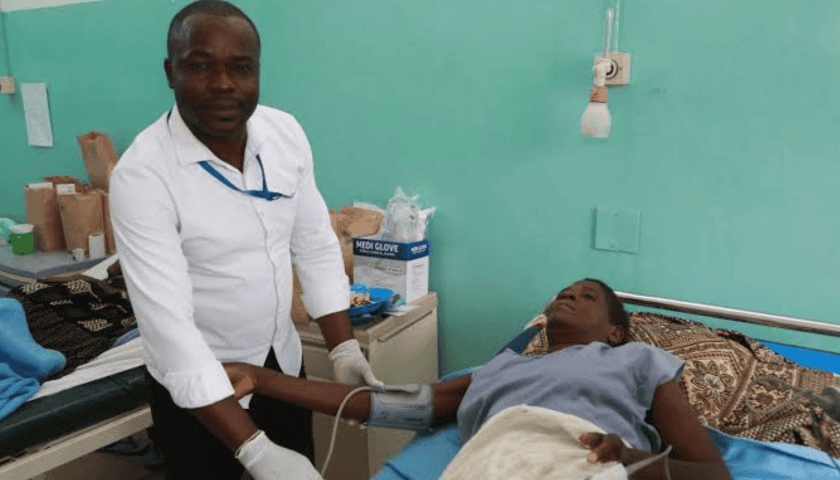
KENYA— Kenyatta National Hospital (KNH) has performed Africa’s first tubeless tracheal reconstruction, repairing a patient’s narrowed windpipe on 24 September 2026 at its Prime Care Centre to restore airflow and improve breathing.
The five-hour procedure was performed on 26-year-old Dennis Kaiser Omondi, who had experienced breathing difficulties for nearly 20 years.
Dr Joseph Mutie, Consultant Cardiothoracic and Vascular Surgeon, led the multidisciplinary team, alongside Dr Ruel Maina, an ear, nose and throat specialist, and Dr Caroline Abuya, Consultant Anaesthesiologist and Intensivist.
Surgical technique and patient management
Omondi was diagnosed with a benign adenoma, a non-cancerous growth, in his windpipe in 2008.
Subsequent investigations identified tracheal narrowing that restricted airflow and an abnormal opening, known as a fistula, between the windpipe and the skin of his neck.
These complications affected his breathing, voice and daily activities.
Unlike conventional airway surgery, the tubeless technique keeps a standard breathing tube out of the surgical field, improving visibility and access to the affected area.
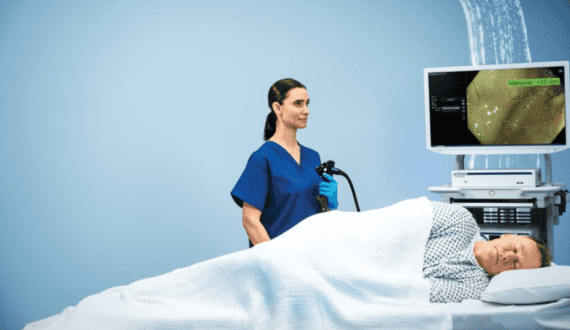
Surgeons can also use a bronchoscope, a small camera inserted into the airway, to identify the diseased tissue and guide its removal while preserving healthy sections of the windpipe.
The approach requires careful planning and close coordination between surgeons and anaesthesia specialists to maintain adequate oxygen levels throughout the procedure.
According to the hospital, Omondi breathed naturally during the operation.
The team removed the narrowed sections of the trachea, closed the fistula and reconnected the healthy ends of the windpipe.
The technique can reduce interference with the delicate airway lining and improve surgical access, although its suitability depends on the patient’s condition and the team’s ability to maintain safe oxygenation.
Theatre sterile assistants Griffin Khamisi and Monica Manore supported the procedure, alongside a nursing team led by Mary Nyakangi, including Branice Juma, Merline Akinyi, Annita Jemeli, Winnie Nyatiende and Ann Keeru.
Implications for specialised surgical care
Dr Mutie said the technique provides surgeons with a clearer view of complex airway conditions, allowing more precise treatment.
He described the procedure as an important development in Kenya’s capacity to manage specialised tracheal disorders.
Dr John Ngigi, Senior Director of the Prime Care Centre, said the achievement reflects the centre’s commitment to specialised, patient-centred care.
Dr Joel Lessan, Senior Director of Clinical Services, highlighted the role of modern technology, surgical innovation and multidisciplinary teamwork in managing complex cases.
KNH Chief Executive Officer Dr Richard Lesiyampe said the procedure shows Kenyan medical teams can deliver advanced treatment locally, potentially reducing the need for patients to seek care abroad when services are available in the country.
Patient recovery and follow-up
Omondi reported improvements in his voice and mobility following the operation.
He has resumed daily activities, including running his retail shop in Kisumu, and said he can now climb a flight of stairs more easily than before surgery.
He will continue attending follow-up appointments at the Prime Care Centre to monitor his recovery.
Be the first to leave a comment