Merck restructures China vaccine deal as Gardasil demand collapses
This shift applies to all three Merck vaccines distributed by Zhifei: Gardasil, the rotavirus vaccine RotaTeq, and the pneumococcal vaccine Pneumovax 23.
Published
CHINA—Merck & Co. has fundamentally restructured its vaccine distribution arrangement in China following a dramatic collapse in demand for its flagship HPV vaccine, Gardasil.
The pharmaceutical giant, based in New Jersey, has partnered with Chongqing Zhifei Biological Products to implement a more flexible supply model that better reflects current market realities.
Under the revised agreement, the two companies have eliminated fixed minimum purchase commitments in favor of a rolling, demand-based approach.
This shift applies to all three Merck vaccines distributed by Zhifei: Gardasil, the rotavirus vaccine RotaTeq, and the pneumococcal vaccine Pneumovax 23.
The new structure, which extends through 2028, represents a significant departure from their previous multiyear contract that specified a total procurement commitment of 97.9 billion Chinese yuan (USD14.2 billion) spanning 2023 to 2026.
According to Zhifei’s regulatory filing, the restructured partnership allows both organizations to “respond to market fluctuations in a synergistic manner” while reducing operational pressure and financial risk for the distribution company.
Zhifei, which has served as Merck’s distribution partner since 2011, emphasized the mutual benefits of this more adaptive arrangement.
The steep decline in Gardasil sales
The warning signs emerged in 2024, when Merck first reported declining Gardasil vaccine sales, which entered the Chinese market in 2014.
A modest 3% sales decrease that year escalated dramatically in 2025, when Gardasil revenues plummeted from USD 8.6 billion to USD 5.2 billion, representing a devastating 39% drop.
Merck attributed the sharp decline to intensifying competition from cheaper vaccine alternatives flooding the Chinese market.
The impact on Zhifei’s operations has been particularly severe.
The company’s total procurement of all Merck vaccines collapsed from 34.8 billion yuan in 2023 to below 2.2 billion yuan last year—a figure far below the 26 billion yuan minimum originally required for Gardasil alone under their previous contract.
This dramatic shortfall rendered the original agreement increasingly untenable for both parties.
Broader market pressures
Zhifei’s struggles extend beyond its Merck partnership.
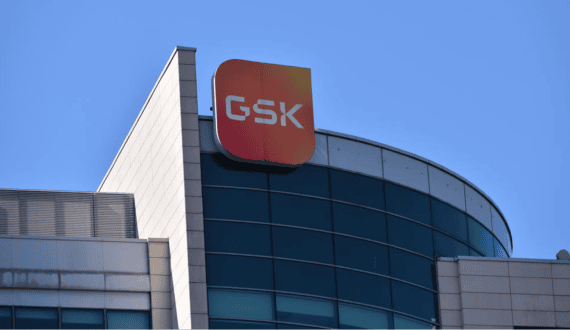
The company simultaneously adjusted its distribution agreement with GlaxoSmithKline in 2024, securing a partnership extension but at substantially reduced volumes.
These cascading challenges have taken a considerable toll on Zhifei’s financial performance.
The company’s annual revenue peaked at USD 7.4 billion in 2023 before declining by more than 50% in each of the following two years.
The restructured deal reflects a pivotal moment in China’s vaccine market, where shifting competitive dynamics and price pressures are forcing multinational pharmaceutical companies to recalibrate their strategies and partnerships.
Sign up HEREto receive our email newsletters with the latest news and insights from Africa and around the world, and follow us on LinkedInfor updates.


Be the first to leave a comment