

Bundibugyo Ebola
-

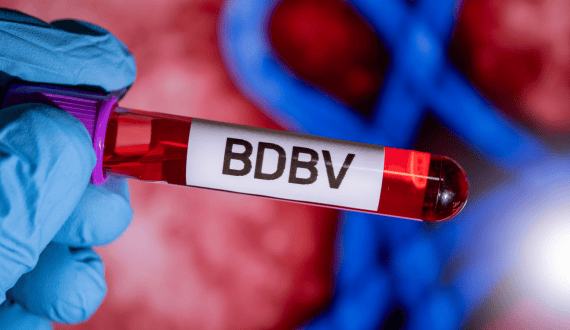
WHO grants first emergency use listing for Bundibugyo Ebola diagnostic test
The test detects the virus by identifying its genetic material in blood samples, allowing health workers to confirm infections quickly and accurately.
-
Africa CDC appeals for US$18 M to fund Ebola therapeutic trials
Unlike previous Ebola epidemics caused by the Zaire strain, the current Bundibugyo outbreak has no licensed vaccine or approved treatment, making research an urgent public health priority.
-
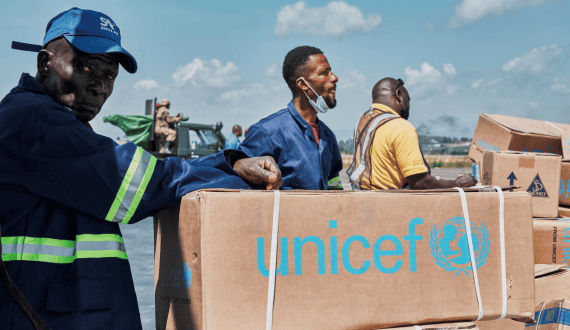
UNICEF, Gavi launch global push to accelerate Bundibugyo Ebola vaccine development
Gavi has indicated that proposals involving vaccine production in Africa will receive particular consideration as part of broader efforts to strengthen regional manufacturing capacity.
-
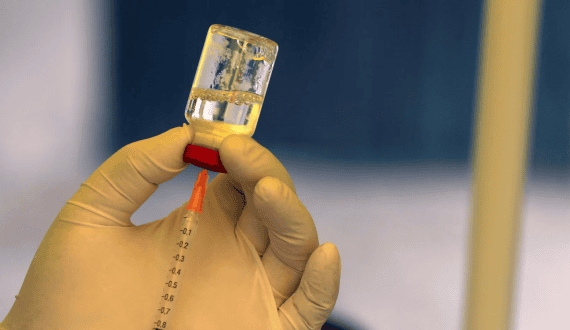
US HHS releases experimental MBP134 antibody for Ebola response in DRC
The announcement follows growing calls from public health advocates and humanitarian organizations urging the US government to share available supplies of MBP134 to support outbreak control efforts in Central Africa.
-
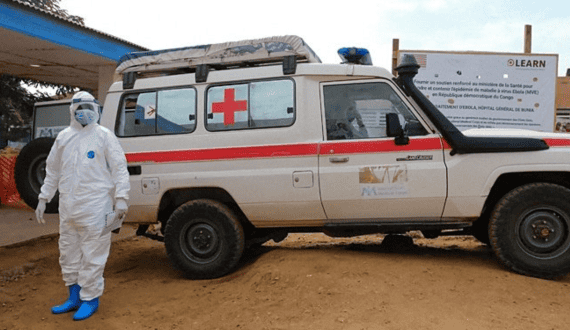
Japan pledges US$3.5M emergency grant for Ebola containment in DRC, Uganda
Japan will channel the support through the International Federation of Red Cross and Red Crescent Societies (IFRC), the World Food Programme (WFP), and the United Nations Children’s Fund (UNICEF).
-
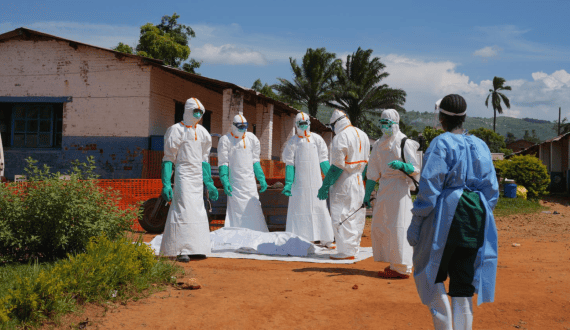
CDC mobilizes US$107M in emergency funding to fight exploding Bundibugyo Ebola outbreak
The funding comes at a critical time, with health officials warning that the outbreak caused by the rare Bundibugyo strain of Ebola could become one of the most severe in history.