

Center for Diagnostics and Telemedicine
-
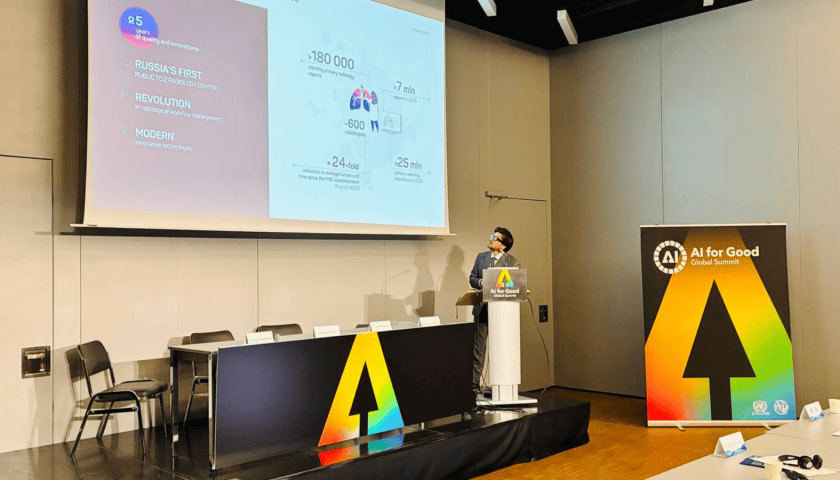
Moscow Radiology Centre showcases AI advances at UN-backed ‘AI for Good’ Summit
The United Nations (UN) and the International Telecommunication Union (ITU) organised the summit as a platform for advancing practical AI solutions that support the Sustainable Development Goals.
-
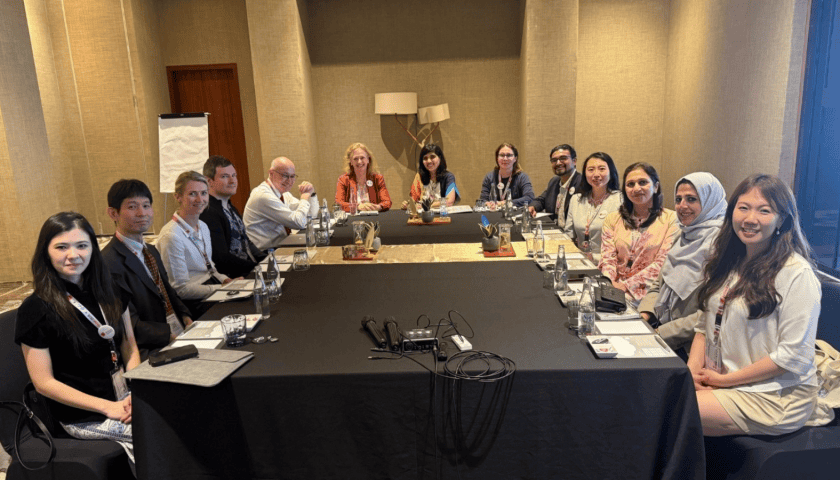
Moscow delegation showcases AI-driven neuroradiology at Head and Neck Radiology congress
During the congress, specialists from the Moscow-based center presented research on head and neck imaging, the use of AI-powered diagnostic algorithms, and strategies for improving the quality of medical imaging examinations.
-
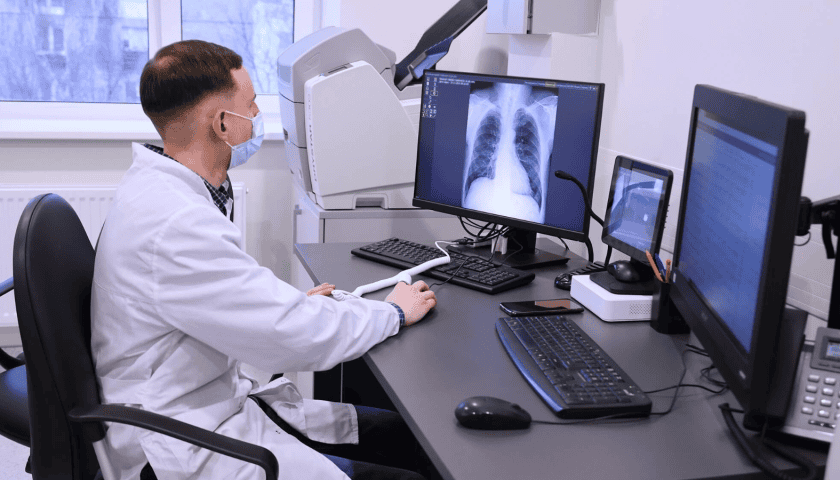
Moscow Study proves AI cannot replace human emergency radiologists
The analysis showed that the best results were achieved when AI acted as a “second reader,” supporting physicians rather than replacing them.
-

Moscow’s MosMedAI launches 18th medical AI tool to automate scoliosis detection
The newly introduced AI algorithm performs measurements that radiologists previously conducted manually, significantly reducing interpretation time and improving consistency in diagnosis.
-

Russia expands MosMedAI nationwide as computer vision analyzes 35M medical studies
Since 2020, the Moscow government has been running the Moscow Experiment on Computer Vision in healthcare, an initiative coordinated by the Center for Diagnostics and Telemedicine with support from the city’s digital infrastructure teams.
-

Moscow’s Center for Diagnostics and Telemedicine slashes radiology report times by 23%
The Moscow-based institution said the improvements are part of a broader effort to modernize radiology workflows and reduce administrative burdens on clinicians.