The Global Fund releases USD1.6M emergency boost for TB response in Sudan
TB remains the deadliest infectious disease in the world, and a single untreated case can infect between 15 and 20 people within a year, making early diagnosis and uninterrupted treatment critical tools for containing any outbreak.
Published
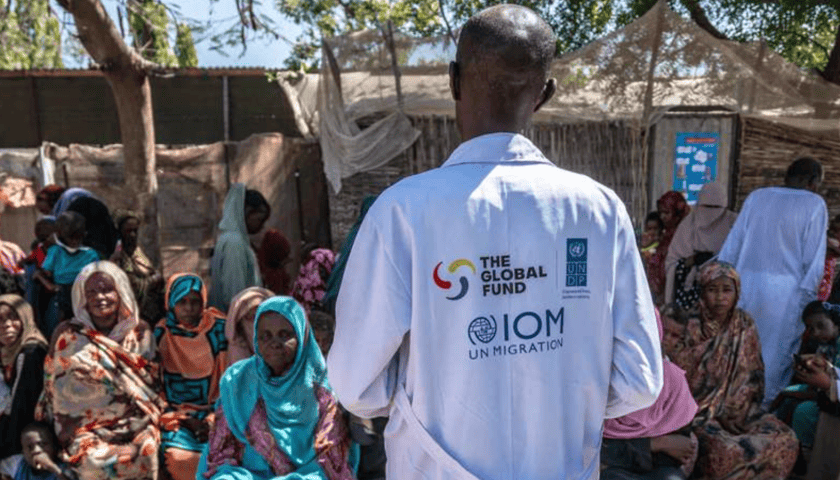
SWITZERLAND — The Global Fund has approved USD1,607,729 in emergency funding to support tuberculosis diagnosis and treatment in Sudan, covering displaced populations and host communities through December 2026.
The United Nations Development Programme will implement the funding alongside Sudan’s Federal Ministry of Health National TB Programme and local organizations.
A crisis of staggering scale
Sudan is currently home to the world’s largest internally displaced population, with an estimated 11.75 million people uprooted by ongoing conflict.
The fighting has pushed the country into one of the worst humanitarian emergencies globally, with overcrowding, malnutrition, and collapsed healthcare access becoming widespread realities.
These conditions create fertile ground for TB to spread, as treatment interruptions and poor living conditions accelerate both transmission and drug resistance.
Why TB demands urgent attention
TB remains the deadliest infectious disease in the world, and a single untreated case can infect between 15 and 20 people within a year, making early diagnosis and uninterrupted treatment critical tools for containing any outbreak.
Mark Edington, Head of Grant Management at the Global Fund, said the funding ensures rapid access to TB diagnostics and treatment for communities devastated by the conflict.
He added that by working with national authorities, local organizations, and international partners, the programme prioritizes continuity of care and community-centered services to prevent further transmission and protect the most vulnerable.
Where the Funding Will Reach
The emergency response targets displaced persons and surrounding communities across 10 relatively stable states currently absorbing large numbers of people fleeing Darfur and Kordofan.
These states include Al Jazirah, Gedaref, Kassala, Khartoum, Northern (Addabah), North Kordofan, Red Sea, River Nile, Sennar, and White Nile.
Efforts in more unstable areas will continue under an existing TB grant launched in 2023.
How the money will be spent
The funding will go toward procuring essential diagnostics and medicines, including GeneXpert cartridges and both first- and second-line drugs.
It will also scale up contact tracing, active screening, and rapid diagnosis, while expanding treatment initiation through mobile primary healthcare units and community-based care.
A decade of emergency response
The Global Fund established its Emergency Fund in 2014 to deliver fast, flexible financing during crises, sustaining HIV, TB, and malaria programmes when health systems are under pressure.
Between 2014 and December 2024, the Fund committed more than USD 149 million through this mechanism to countries grappling with conflict, environmental breakdown, and other acute emergencies.
Sign up HEREto receive our email newsletters with the latest news and insights from Africa and around the world, and follow us on LinkedInfor updates.

Be the first to leave a comment