Cabo Verde shapes Africa’s health future at WHO Regional Strategy Meeting
The country’s delegation from the Ministry of Health has taken an active role in developing the Regional Strategic Plan 2026–2030 and Vision 2035, ensuring that the needs of Small Island Developing States receive proper attention.
Published
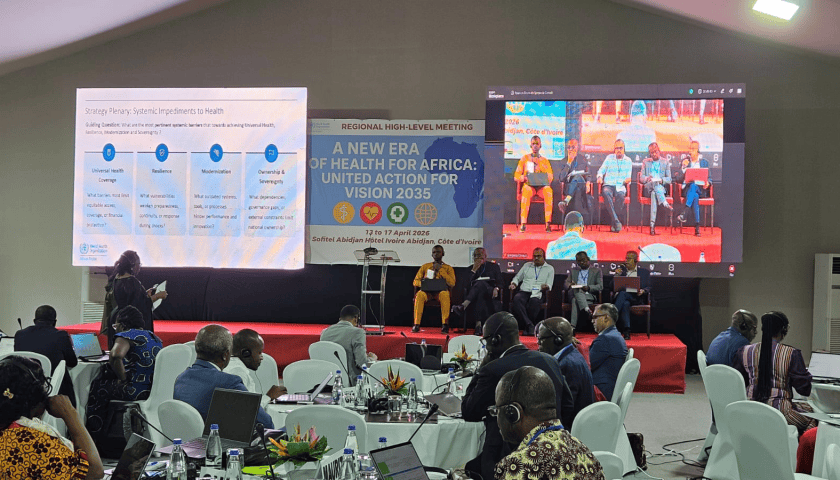
CABO VERDE—Cabo Verde is making a significant impact at the World Health Organization’s Regional High-Level Consultation in Abidjan, Côte d’Ivoire, where African nations are crafting their health strategy through 2030 and beyond.
Running from April 13 to 17, 2026, this meeting represents a critical moment for defining how the continent will approach health challenges in the coming years.
The country’s delegation from the Ministry of Health has taken an active role in developing the Regional Strategic Plan 2026–2030 and Vision 2035, ensuring that the needs of Small Island Developing States receive proper attention.
This involvement matters because island nations face distinct obstacles that larger, continental countries do not encounter.
Unique challenges driving solutions
Cabo Verde has brought attention to the real barriers that island communities navigate daily.
Geographic isolation creates vulnerability, as these nations depend heavily on external supply chains for medical supplies and equipment.
Additionally, small populations mean limited economies of scale, making it expensive to establish and maintain certain health services.
By articulating these challenges directly, Cabo Verde has helped shape a plan that acknowledges island realities.
Rather than simply highlighting problems, the delegation has also presented practical solutions already working in Cabo Verde.
Telemedicine allows patients to consult specialists without traveling internationally, reducing costs and improving access.
Digital health systems streamline patient records and improve coordination between clinics.
Equally important, strengthened primary health care with active community involvement ensures that prevention and basic treatment remain affordable and accessible to all.
A framework for equitable health systems
The consultation brings together all African member states and international partners to build consensus around four key pillars.
Universal Health Coverage aims to ensure every person can access essential services. Resilience prepares health systems for future shocks and emergencies.
Modernization upgrades infrastructure and technology.
Ownership and Sovereignty emphasize that African nations must drive their own health agendas rather than rely on external actors.
This collaborative process will culminate in a regional strategy that countries jointly agree upon before submitting it for approval at the WHO Regional Committee for Africa in August 2026.
The goal is creating a plan that is not only visionary but also practical, financially feasible, and capable of delivering real results.
Cabo Verde’s engagement in these discussions reinforces a vital principle: health strategies must reflect the diverse realities of all nations, whether they are densely populated continental countries or island states with unique constraints.
By contributing its voice and experience, Cabo Verde helps ensure that the continent’s health systems become stronger, fairer, and more resilient for everyone.
Sign up HEREto receive our email newsletters with the latest news and insights from Africa and around the world, and follow us on LinkedInfor updates.




Be the first to leave a comment