Measles mortality in Africa drops as immunization programs avert 20M deaths since 2000
Nine countries now maintain consistently low measles incidence rates, reporting fewer than five cases per million residents.
Published
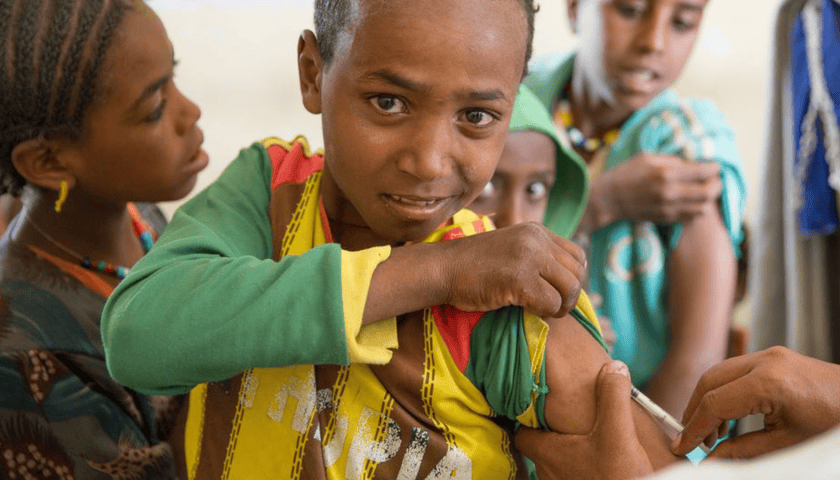
AFRICA—A joint analysis by the World Health Organization (WHO) and Gavi, the Vaccine Alliance, has shown that Africa has averted nearly 20 million measles-related deaths since 2000 through expanded vaccination programmes.
Beyond preventing measles deaths, the analysis reveals that immunization efforts have protected over 500 million children across the continent between 2000 and 2024.
The dramatic progress reflects deliberate investment in vaccination coverage.
Over the past quarter-century, 44 African countries introduced a second dose of measles vaccine into their routine immunization schedules.
This expansion lifted coverage rates from just 5% in 2000 to 55% in 2024.
Supplemental vaccination campaigns have administered 622 million additional doses across the region.
Together, these initiatives have cut measles deaths in half and reduced overall cases by 40%.
Several African nations have achieved even more impressive results.
Nine countries now maintain consistently low measles incidence rates, reporting fewer than five cases per million residents.
In 2025, Cabo Verde, Mauritius, and Seychelles made history by becoming the first sub-Saharan African countries to eliminate measles and rubella entirely, reaching the gold standard in disease control.
Broader immunization gains
The analysis examined progress across a wider range of vaccine-preventable diseases aligned with the 2030 Immunization Agenda, a global roadmap to reduce deaths from preventable diseases and strengthen vaccination access.
Routine immunization schedules now protect against 13 diseases, up from eight in 2000.
Meningitis deaths have declined by 39%, while malaria vaccines have been introduced in 25 countries.
In 2024 alone, vaccination programmes saved at least 1.9 million lives—with measles vaccines accounting for 42% of those lives saved.
Additional progress extends to other critical vaccines.
Forty-seven sub-Saharan African countries now include hepatitis B vaccination in routine schedules, with 16 providing doses at birth.
Thirty-three countries have introduced rubella vaccines, and 29 offer human papillomavirus vaccines that protect against cervical cancer.
Uneven progress and persistent challenges
Despite remarkable gains, WHO Regional Director Dr Mohamed Janabi cautioned that progress remains uneven and is slowing in some areas.
“Africa has saved millions of young lives in less than a generation,” he stated, “but too many children remain unprotected as key targets go unmet. We must urgently strengthen routine immunization to reach every child.”
Gavi CEO Dr Sania Nishtar emphasized that while data demonstrates vaccines’ life-saving power when prioritized, immunization outcomes reveal stark disparities.
“We have more work to do,” she noted, particularly in fragile and remote contexts.
Through Gavi’s Leap reform agenda, the organization seeks to build sustainable, long-term vaccination programmes in partnership with governments.
Africa currently falls short of the 2030 Agenda’s 90% coverage target for four key vaccines: measles, diphtheria-tetanus-pertussis, pneumococcal, and human papillomavirus vaccines.
Rapid population growth, weak health systems, poor integration of immunization in primary healthcare, climate change, humanitarian crises, and political instability continue to obstruct vaccination efforts.
WHO, Gavi, and partners remain committed to addressing these barriers and scaling up vaccine coverage nationwide.
Sign up HEREto receive our email newsletters with the latest news and insights from Africa and around the world, and follow us on LinkedInfor updates.



Be the first to leave a comment