UK’s MHRA approves pediatric EURneffy nasal spray for anaphylaxis
Anaphylaxis occurs when the immune system overreacts to a substance it perceives as harmful, triggering symptoms that can rapidly become life-threatening.
Published
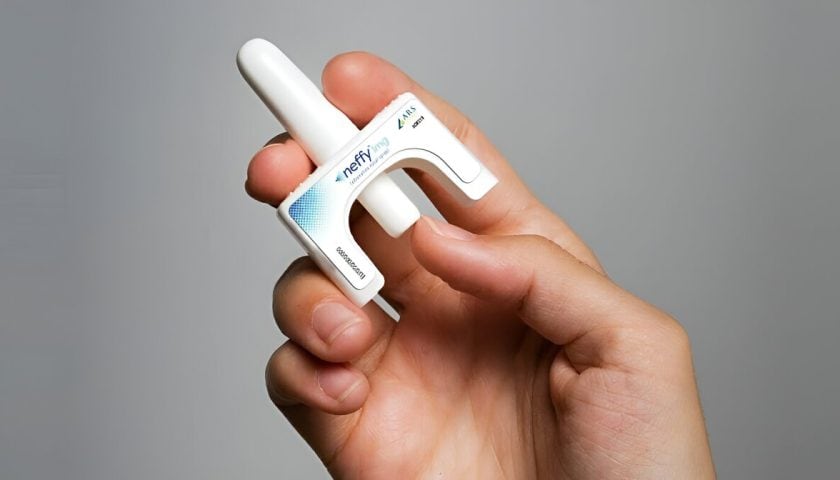
UK—The UK has expanded treatment options for children at risk of life-threatening allergic reactions after the Medicines and Healthcare products Regulatory Agency (MHRA) approved a lower-dose version of ALK-Abelló’s EURneffy adrenaline nasal spray.
The newly approved 1 mg formulation is designed for children aged four years and older who weigh between 15 kg and 30 kg.
It becomes the first and only needle-free adrenaline treatment available in the UK for this age group, extending access to a therapy that was previously available only through injections.
The approval follows the authorization of EURneffy 2 mg in July 2025 for adults and children weighing 30 kg or more.
EURneffy is indicated for the emergency treatment of severe allergic reactions, known as anaphylaxis, caused by food allergies, insect stings or bites, medications, and other allergens.
The spray can also be used in cases of exercise-induced or idiopathic anaphylaxis, where the trigger remains unknown.
Addressing challenges in anaphylaxis care
Anaphylaxis occurs when the immune system overreacts to a substance it perceives as harmful, triggering symptoms that can rapidly become life-threatening.
Studies estimate that up to 761 out of every 100,000 children in Europe experience anaphylaxis each year, with food allergies accounting for more than two-thirds of reported cases.
Adrenaline remains the standard first-line treatment and should be administered immediately when symptoms appear.
However, healthcare providers have long reported challenges with traditional adrenaline auto-injectors.
Fear of needles, uncertainty during emergencies, and incorrect administration can delay treatment and reduce adherence.
Recent data presented by ALK at the 2026 European Academy of Allergy and Clinical Immunology (EAACI) Congress highlighted these concerns.
In a survey involving more than 1,200 adults at risk of severe allergic reactions, nearly 40% reported that they did not regularly carry their prescribed adrenaline auto-injector, while more than half said they had been without it when it was needed.
Researchers also found that patients consistently preferred the needle-free nasal spray over injectable alternatives.
Flora Beiche-Scholz, Executive Vice President for Commercial Operations Europe at ALK, said that children at risk of anaphylaxis have relied on injectable adrenaline for decades.
She noted that fear of needles, hesitation during emergencies, and administration errors often prevent timely treatment, adding that EURneffy 1 mg was developed to help overcome these barriers and provide families with a simpler treatment option.
Growing global reach for EURneffy
ALK strengthened its position in the anaphylaxis market when it acquired European and Canadian rights to EURneffy from ARS Pharmaceuticals in November 2025 through a US$145 million upfront agreement.
ARS retained commercial rights in the United States, where the product is marketed under the brand name Neffy.
Momentum for the nasal spray has continued to build globally.
Earlier this year, the European Commission expanded approval of EURneffy 1 mg across the European Union for children weighing between 15 kg and 30 kg, while the US Food and Drug Administration broadened the product’s paediatric label.
The treatment has also secured approvals in markets including Canada, Japan, and China.
Commercial performance has been encouraging.
ARS Pharmaceuticals reported full-year 2025 Neffy sales of US$20.3 million, while market forecasts from GlobalData project global net sales could exceed US$1 billion by 2032.
Meanwhile, ALK recently upgraded its 2026 financial outlook, citing strong demand across its allergy portfolio and continued growth of its anaphylaxis products, including EURneffy.
Sign up HEREto receive our email newsletters with the latest news and insights from Africa and around the world, and follow us on LinkedInfor updates.



Be the first to leave a comment