Sultan Bin Abdulaziz Humanitarian City earns prestigious HIMSS EMRAM Stage 7 accreditation
The Stage 7 validation confirms that Sultan City has implemented fully electronic clinical documentation, closed-loop medication management systems, advanced clinical decision support tools, and robust data analytics capabilities.
Published
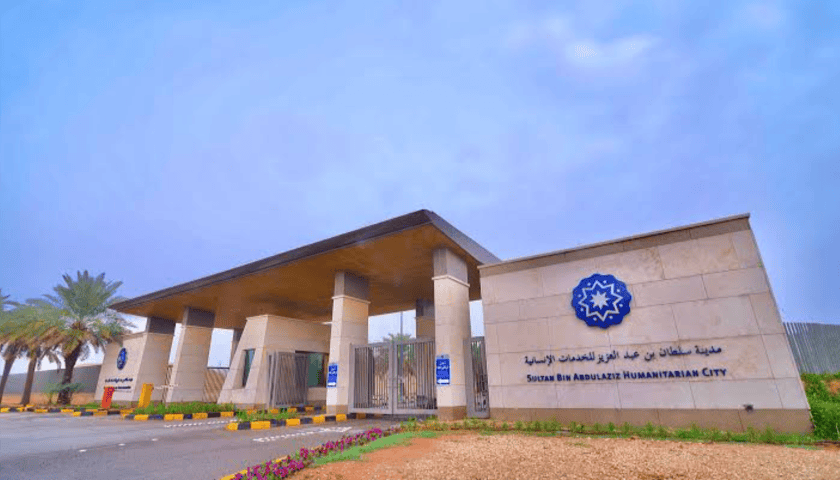
SAUDI ARABIA—Sultan Bin Abdulaziz Humanitarian City (Sultan City), one of the largest non-profit rehabilitation and specialized healthcare facilities in the Middle East, has achieved HIMSS EMRAM Stage 7 accreditation.
This is the highest level of digital maturity for electronic medical record adoption awarded by the Healthcare Information and Management Systems Society (HIMSS).
The recognition places the 510-bed facility among a select group of healthcare institutions worldwide that operate in a fully digital and paperless clinical environment.
It reflects years of investment in health information technology, strong clinical leadership, and a commitment to improving patient care through data-driven decision-making.
HIMSS EMRAM Stage 7 is considered one of the healthcare sector’s most demanding digital maturity benchmarks.
Hospitals that attain this level demonstrate comprehensive electronic documentation, advanced analytics, strong governance structures, optimized clinical workflows, and extensive use of data to support patient safety and care quality.
The validation process includes detailed reviews of clinical workflows, system performance, and the integration of digital technologies into everyday patient care.
Building a fully integrated digital care environment
According to Sultan City, the achievement marks the culmination of a long-term digital transformation strategy that has focused on integrating clinical, operational, and administrative systems into a single connected environment.
The institution has treated more than 1.1 million patients from across the Middle East since it was established by the late Crown Prince HRH Prince Sultan Bin Abdulaziz.
Today, it provides surgical, rehabilitative, therapeutic, and supportive services through a multidisciplinary care model designed to address complex patient needs.
The Stage 7 validation confirms that Sultan City has implemented fully electronic clinical documentation, closed-loop medication management systems, advanced clinical decision support tools, and robust data analytics capabilities.
These technologies enable healthcare professionals to access accurate patient information in real time, helping them make informed decisions and coordinate care more effectively.
The hospital’s digital ecosystem is supported by a unified electronic health record platform that gives care teams a comprehensive view of patient information across clinical, administrative, and operational functions.
This approach improves communication between departments while enhancing efficiency throughout the patient journey.
Technology partnerships supporting progress
Technology partners have also contributed to the transformation.
InterSystems’ TrakCare platform supports interoperability, streamlined workflows, and real-time access to patient information through a single integrated system.
Similar digital health initiatives across Saudi Arabia continue to demonstrate how advanced electronic medical records and analytics can strengthen healthcare delivery and improve patient outcomes.
Dr. Abdullah Bin Zarah, Chief Executive Officer of Sultan City, said the achievement reflects the dedication and collaboration of teams across the organization.
“Achieving HIMSS EMRAM Stage 7 reinforces our commitment to delivering world-class, digitally enabled care and supports our ambition to continuously improve patient outcomes through innovation,” he said.
Ali Abi Raad, Managing Director for the Middle East, South Africa and India at InterSystems, said the company was proud to support Sultan City’s digital transformation journey.
“This milestone highlights the importance of collaboration and integrated technology in helping healthcare organizations achieve sustainable, high-impact progress,” he said.
Supporting Saudi Vision 2030
Sultan City noted that the achievement aligns with Saudi Vision 2030 and the Kingdom’s broader healthcare transformation agenda.
The organization plans to build on this foundation by expanding its use of predictive analytics and data-driven care models, enabling clinicians to deliver more personalized and proactive treatment.
The accreditation comes as several healthcare institutions across Saudi Arabia continue to earn advanced HIMSS recognitions, reflecting the country’s growing investment in digital health infrastructure, interoperability, and data-enabled care.
Recent Stage 7 achievements and renewals by leading Saudi healthcare organizations highlight the Kingdom’s efforts to establish a modern healthcare system that leverages technology to enhance quality, safety, and operational efficiency.
Sign up HEREto receive our email newsletters with the latest news and insights from Africa and around the world, and follow us on LinkedInfor updates.




Be the first to leave a comment