

Mozambique attains WHO Maturity Level 3 in medicines and vaccine regulation
The Autoridade Nacional Reguladora de Medicamentos de Moçambique (ANARME) has achieved Maturity Level 3 (ML3) for regulating medicines and imported vaccines under WHO’s global classification of national regulatory authorities.
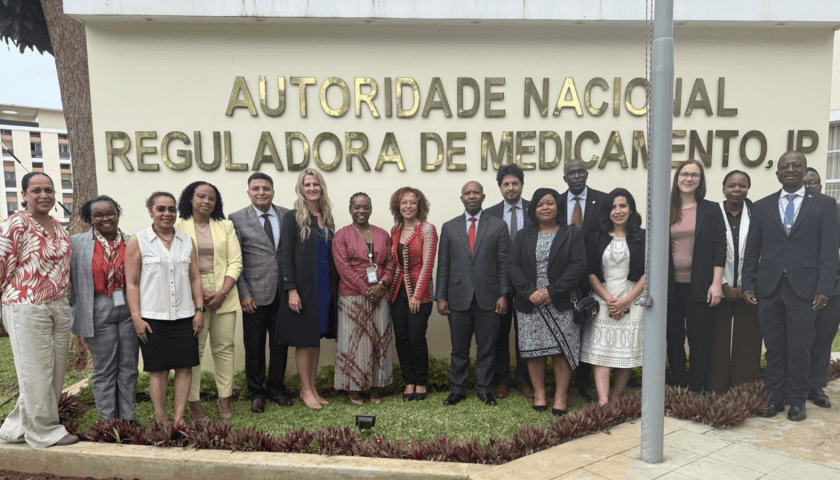
MOZAMBIQUE—Mozambique has strengthened its medicines and vaccine regulatory system after the World Health Organization (WHO) recognized the country’s national regulatory authority as having a stable, well-functioning and integrated system.
The Autoridade Nacional Reguladora de Medicamentos de Moçambique (ANARME) has achieved Maturity Level 3 (ML3) for regulating medicines and imported vaccines under WHO’s global classification of national regulatory authorities.
Mozambique is now the 10th African country to reach ML3, joining Egypt, Ethiopia, Ghana, Nigeria, Rwanda, Senegal, South Africa, Tanzania and Zimbabwe.
Stronger oversight of medicines and vaccines
The achievement is expected to strengthen public confidence in medicines and vaccines by ensuring that products undergo appropriate assessment for quality, safety and efficacy and remain subject to monitoring throughout their lifecycle.
It will also enhance Mozambique’s ability to identify and respond to safety concerns, including substandard and falsified medical products, while supporting timely access to quality-assured health products.
Dr Sylvie Briand, WHO Chief Scientist and Assistant Director-General a.i. for Health Systems, Access and Data, said Mozambique’s achievement reflects sustained investment in regulatory capacity and will provide important public health benefits.
“Strong regulatory systems protect people, build confidence in health products and help countries respond more effectively to evolving public health needs and challenges,” Briand said.
She added that Mozambique’s progress would strengthen regulatory capacity across Africa and support more equitable access to safe and quality-assured medicines and vaccines.
Years of regulatory strengthening
Mozambique’s achievement follows years of efforts to strengthen ANARME’s institutions, technical capacity and regulatory processes.
WHO worked with the authority to assess its national regulatory system, identify gaps and improve priority regulatory functions.
WHO uses its Global Benchmarking Tool (GBT) to assess national regulatory systems against standards required to ensure the quality, safety and efficacy of medical products.
The assessment covers areas including product registration and marketing authorization, licensing, market surveillance, pharmacovigilance, regulatory inspections, laboratory testing and clinical trial oversight, where applicable.
WHO classifies regulatory systems from Maturity Level 1 to Level 4.
ML3 indicates a stable, well-functioning and integrated system, while ML4 represents an advanced system focused on continuous improvement.
An ML3 system can support more predictable regulatory decisions, strengthen safety monitoring and help ensure that products entering and remaining on the market meet required standards.
It can also facilitate regulatory cooperation and reliance, allowing authorities to use assessments and decisions from trusted regulators, reduce duplication and use limited resources more efficiently.
Implications for African regulatory cooperation
As the first Portuguese-speaking African country to achieve ML3, Mozambique can provide experience and expertise to other Portuguese-speaking countries seeking to strengthen their regulatory systems.
The achievement also supports the development of a more connected African regulatory ecosystem and provides a foundation for the African Medicines Agency to advance regulatory convergence and cooperation across the continent.
Mozambique is among the first countries to achieve ML3 following consideration and recommendation by WHO’s newly established Technical Advisory Group on Regulatory Systems Strengthening (TAG-RSS).
The independent group advises WHO on recommendations concerning authorities seeking ML3 or ML4 recognition and WHO-Listed Authority status, adding another layer of assurance to the recognition process.
As part of the same process, South Africa was recommended to retain its ML3 status for vaccines manufactured, imported or distributed in the country following an additional WHO assessment.
The recognition extends the status first granted in 2022 and reflects the continued performance of the South African Health Products Regulatory Authority (SAHPRA).


Be the first to leave a comment