Africa CDC urges rapid delivery of US$2.9B Ebola funding mobilized in New York
The European Union has mobilised €500 million (US$586 million) in emergency aid, vaccines, treatment and health security support for the Great Lakes and Uganda region.
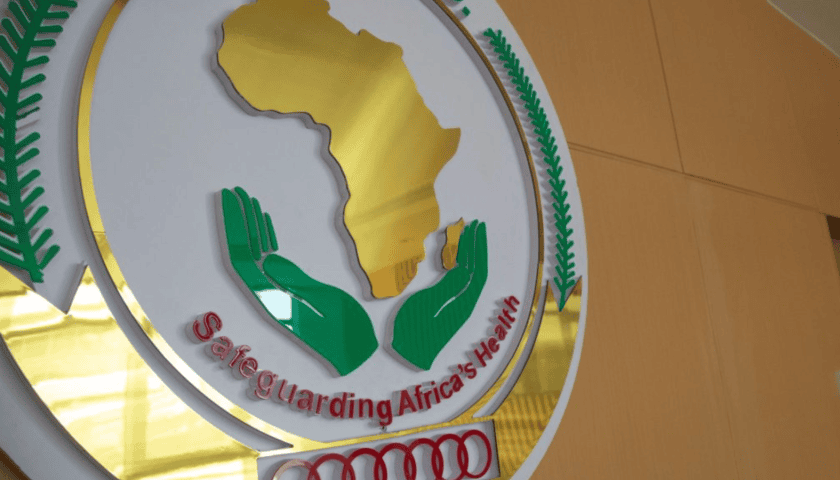
USA—The Africa Centres for Disease Control and Prevention (Africa CDC) has welcomed the mobilization of approximately US$2.9 billion in funding and in-kind support announced during a G20+ Foreign Ministers Meeting on accelerating collective action against Ebola, held in New York on 23 September.
The United States convened the meeting on the margins of the United Nations General Assembly, bringing together the governments of the Democratic Republic of the Congo (DRC) and Uganda, G20 members, partner countries and international organisations.
Africa CDC said the commitments should now translate into rapid disbursements and action in affected communities.
The agency also recognized the United States for its leadership and US$886 million contribution to the response.
The European Union has mobilised €500 million (US$586 million) in emergency aid, vaccines, treatment, and health security support for the Great Lakes and Uganda region.
The World Bank has also mobilized more than US$433 million for Ebola response and preparedness in the DRC and neighbouring countries.
Africa CDC participated in the meeting as part of its continental coordination role and as co-lead, alongside the World Health Organization (WHO), of the Incident Management Support Team.
The agency called for funding to support national priorities while also strengthening cross-border response activities.
Focus on national and regional response
US Under Secretary of State Allison Hooker called for sustained international burden sharing, with resources directed towards treatment, surveillance, contact tracing, protective equipment, and other essential interventions.
DRC Prime Minister Judith Suminwa Tuluka described the outbreak as a major test for the country and reaffirmed that fighting Ebola remains a national priority.
She also emphasised community protection and national leadership in the response.
Uganda’s Minister of Foreign Affairs, Adonia Ayebare, highlighted political leadership, preparedness of the health system, community trust and cross-border cooperation as key elements of Uganda’s efforts to stop transmission.
European Commissioner Hadja Lahbib stressed that health threats cross national borders and require coordinated responses.
Meanwhile, World Bank Vice President for People Mamta Murthi said financing should strengthen health systems, support community action and produce measurable results.
Tracking Ebola response funding
Africa CDC Director General Dr Jean Kaseya said the organisation would strengthen its financial tracking mechanism to improve visibility of Ebola response funding.
The mechanism will track commitments, disbursements, expenditures, implementation locations, and results in coordination with the DRC government, WHO, and other partners.
Africa CDC said the system will help the DRC identify funding gaps, reduce duplication, and make faster decisions on resource allocation.
The agency also said the funding should support frontline health workers, surveillance and laboratory services, diagnosis and treatment, contact tracing, infection prevention and control, safe burials, community engagement and access to medical countermeasures.
Africa CDC said it will continue supporting community-centered responses and regional preparedness, particularly as population movement and insecurity affect Ebola transmission across borders.
Be the first to leave a comment