
MSD partners with Isomorphic Labs to accelerate AI-driven cancer drug discovery in UK
MSD will obtain the rights to resulting drug candidates and oversee their preclinical and clinical development, manufacturing and commercialisation.
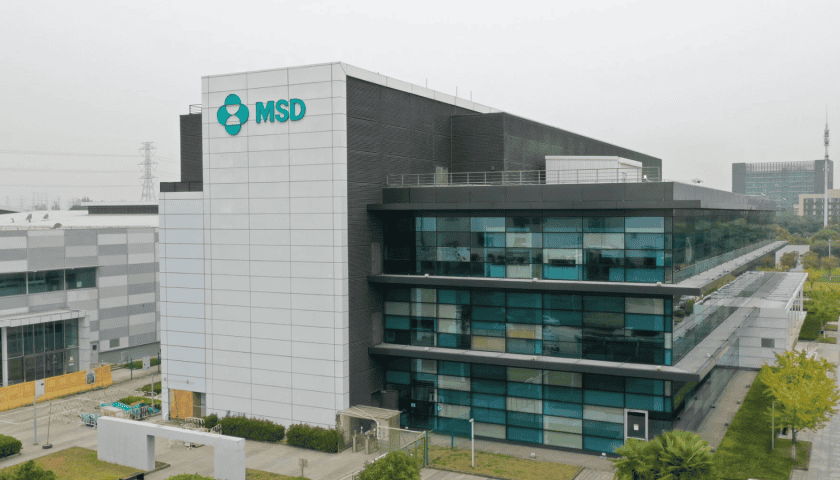
UK—Merck Sharp & Dohme (MSD) has partnered with Isomorphic Labs to discover new cancer treatments, as the US pharmaceutical group seeks to strengthen its drug pipeline ahead of the anticipated loss of exclusivity for its blockbuster cancer immunotherapy Keytruda (pembrolizumab).
The companies will use artificial intelligence to design small-molecule drugs against a selected oncology target of strategic importance.
Although they have not disclosed the target or the financial terms, the collaboration will combine MSD’s proprietary research data with British AI-powered biotechnology company Isomorphic’s drug design engine, IsoDDE.
Isomorphic will use the platform to generate molecular designs for potential drug candidates and run computer simulations to predict their biological activity.
The approach aims to accelerate early-stage drug discovery and improve the selection of candidates for further development.
Under the agreement, MSD will pay an undisclosed upfront fee and may make additional research, development, regulatory and commercial milestone payments. Isomorphic will also receive tiered royalties on potential product sales.
MSD will obtain the rights to resulting drug candidates and oversee their preclinical and clinical development, manufacturing and commercialisation.
However, Isomorphic can elect to co-fund development activities in exchange for higher royalties on products emerging from the partnership.
AI drug discovery attracts pharmaceutical investment
The agreement follows Isomorphic’s US$5 billion Series C funding round, which the company secured to advance its AI-designed drug candidates across multiple therapeutic areas and technology platforms.
The partnership reflects growing pharmaceutical industry interest in artificial intelligence as a tool for reducing the time and cost associated with drug discovery.
By combining proprietary biological data with computational modelling, drugmakers hope to identify promising molecules earlier and improve the efficiency of research programmes.
For MSD, the collaboration provides an opportunity to expand its oncology pipeline while exploring AI-driven approaches to drug development.
Keytruda patent expiry drives pipeline expansion
The deal comes as MSD prepares for the anticipated loss of exclusivity for Keytruda, one of its largest revenue generators.
The drug generated US$8.6 billion in the third quarter of 2026 across its intravenous and subcutaneous formulations, including Keytruda QLEX.
The company is advancing several late-stage programmes to support future growth.
These include intismeran autogene, an investigational cancer vaccine developed with Moderna, which reported positive late-stage results in adjuvant melanoma.
MSD is also progressing sacituzumab tirumotecan (sac-TMT), a TROP2-directed antibody-drug conjugate (ADC) being investigated across several cancer types.
In its latest clinical development, the candidate met its primary overall survival endpoint in patients with metastatic gastroesophageal adenocarcinoma who had received at least two previous lines of treatment.
The company has also pursued external licensing opportunities to diversify its oncology portfolio.
In September 2026, MSD signed a US$2.1 billion licensing agreement with Chinese biotechnology company SciBrunch Therapeutics to develop a KRAS(ON) inhibitor.
The agreement came amid growing interest in RAS-targeting medicines, following regulatory approvals for Revolution Medicines’ RAS inhibitor daraxonrasib in pancreatic cancer in the United States in August and Europe in November 2026.

Be the first to leave a comment