

Arcera Life Sciences secures international rights to Innogen’s GLP-1 therapy
Under the agreement, Arcera will oversee regulatory activities, market access and commercialization in selected countries across Africa, Eastern Europe, Latin America and the Middle East.
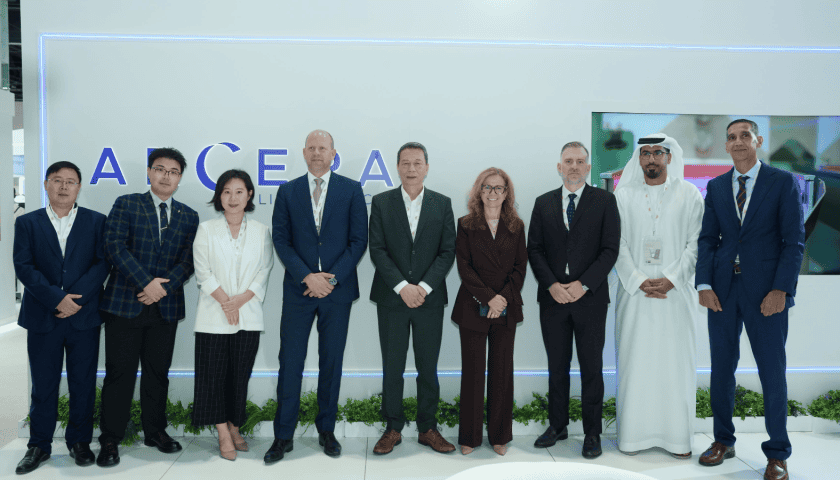
UAE—Abu Dhabi-based Arcera Life Sciences and Shanghai-based Innogen Pharmaceuticals have signed an exclusive licensing and commercialization agreement for Efsubaglutide Alfa, a GLP-1 receptor agonist, to expand access to metabolic disease treatments across selected international markets, including the UAE.
The agreement combines Innogen’s expertise in metabolic disease research with Arcera’s regulatory, market access and commercialization capabilities.
It also expands Arcera’s portfolio into cardiometabolic medicine, positioning the company to introduce innovative treatments across emerging and established markets.
Under the agreement, Arcera will oversee regulatory activities, market access and commercialization in selected countries across Africa, Eastern Europe, Latin America and the Middle East.
Innogen will receive an upfront payment, alongside milestone payments and tiered royalties based on net sales in the licensed territories.
Growing demand for metabolic therapies
The partnership comes amid rising demand for treatments for obesity and type 2 diabetes.
According to the International Diabetes Federation, 589 million adults worldwide were living with diabetes, a figure projected to reach 853 million by 2050.
GLP-1 receptor agonists have gained increasing attention for their role in managing type 2 diabetes and obesity.
In 2025, the World Health Organization added GLP-1 therapies to its Model List of Essential Medicines and issued global guidance on their use in obesity treatment.
These developments have increased the focus on expanding access, particularly in markets where the availability and affordability of advanced metabolic medicines remain challenges.
Clinical evidence supports product development
Efsubaglutide Alfa is a fusion protein combining a human GLP-1 analogue with an immunoglobulin G (IgG) Fc fragment.
Clinical studies have reported a half-life of up to 280 hours and reductions in glycated haemoglobin (HbA1c) of approximately 2.2 percentage points after 24 weeks.
In a separate study involving Chinese adults with overweight or obesity, 18 weeks of treatment produced average weight reductions of 10.6% with once-weekly dosing and 9.7% with dosing every two weeks.
The study also reported improvements in body composition, with the muscle-to-fat ratio increasing by up to 45.3% among participants receiving weekly doses.
Liver fat content declined by up to 51.8%.
Gastrointestinal adverse events were relatively uncommon compared with other GLP-1 therapies, based on cross-trial comparisons, and no participants discontinued treatment because of adverse events during the study.
Innogen has also completed a Phase II trial in Australia involving adults with overweight or obesity.
The study evaluated once-monthly dosing and generated additional evidence to support future international registration and commercialization.
Companies outline international expansion strategy
Arcera Chief Executive Officer Isabel Afonso said cardiometabolic diseases remain a major healthcare challenge across the company’s target markets.
She noted that the partnership would strengthen commercial links between China and international markets while expanding access to metabolic treatments.
Afonso added that combining Innogen’s scientific capabilities with Arcera’s regulatory expertise and commercial network would support the introduction of innovative therapies for people living with chronic diseases.
Innogen Founder, Chairman and Chief Executive Officer Dr Qinghua Wang described the agreement as an important step in the company’s international expansion.
He said the collaboration would combine Innogen’s drug development capabilities with Arcera’s international regulatory and commercialization expertise to broaden access to treatments for diabetes, obesity and other metabolic conditions.
The agreement remains subject to applicable regulatory and operational requirements in the licensed territories.
Commercialization will begin once the necessary local regulatory approvals have been secured.
Be the first to leave a comment