Guinea-Bissau closes 2021 variant poliovirus outbreak after GPEI review
The development marks another milestone for the West African nation, which was certified free of wild poliovirus in 2019 by the Africa Regional Commission for the Certification of Poliomyelitis Eradication.
Published
GUINEA BISSAU—Guinea-Bissau has taken a major step toward eliminating polio after an independent assessment recommended the formal closure of the variant poliovirus type 2 outbreak first detected in 2021.
The recommendation follows a detailed review of the country’s outbreak response by the Global Polio Eradication Initiative (GPEI) Outbreak Response Assessment team, which found no evidence of ongoing virus transmission.
The development marks another milestone for the West African nation, which was certified free of wild poliovirus in 2019 by the Africa Regional Commission for the Certification of Poliomyelitis Eradication.
Health authorities and global partners have described the latest recommendation as a significant achievement in protecting children from vaccine-preventable diseases.
Response to the 2021 Outbreak
The outbreak emerged after the Institut Pasteur de Dakar notified Guinea-Bissau through the World Health Organization (WHO) on October 14, 2021, about the detection of variant poliovirus type 2 in four samples.
The cases involved three children affected by Acute Flaccid Paralysis and one close contact of an infected child.
Authorities identified the cases in the Autonomous Sector of Bissau and the Biombo region.
In March 2022, the Ministry of Public Health officially declared the outbreak a public health emergency.
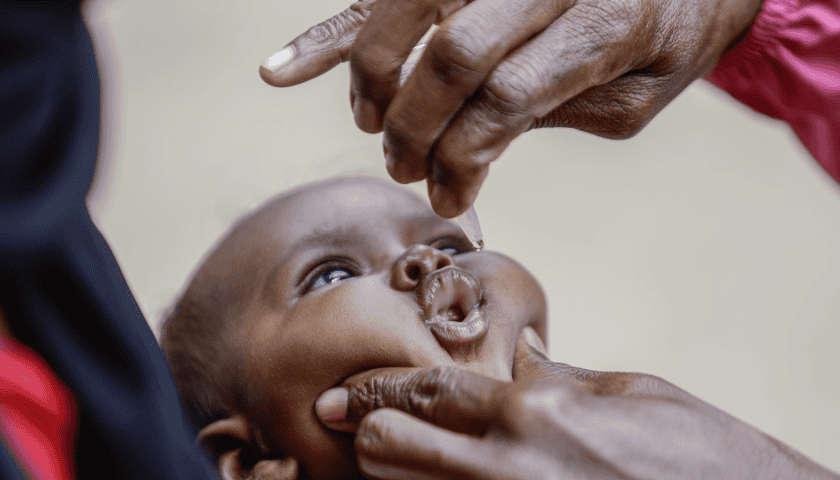
The government then launched two rounds of supplementary immunization campaigns between April and June 2022 with technical and financial support from GPEI partners.
During the campaign, health workers vaccinated more than 600,000 children under 5 years old with the novel oral polio vaccine type 2.
Authorities also strengthened Acute Flaccid Paralysis surveillance systems and expanded environmental monitoring to improve early virus detection.
Community Engagement Strengthened Vaccination Efforts
Health officials credited the success of the response to extensive collaboration between the Ministry of Public Health, healthcare workers, community leaders, civil society organizations, religious leaders, media outlets, parents, and caregivers.
Authorities emphasized that the vaccination effort relied not only on vaccine availability but also on building public trust and ensuring families received accurate information about immunization.
Community outreach programs helped health teams reach children living in remote and border communities, which often have limited access to healthcare services.
WHO noted that the response reinforced Guinea-Bissau’s broader commitment to equitable healthcare by ensuring all children, regardless of socioeconomic background, disability status, gender, ethnicity, or geographic location, received protection against preventable diseases.
Continued vigilance remains essential
Although the outbreak closure recommendation represents a major public health achievement, WHO and GPEI have warned that continued vigilance remains critical.
The assessment team plans to provide further technical guidance to help Guinea-Bissau sustain high immunization coverage, close surveillance gaps, and reduce the risk of future cross-border poliovirus importations.
The latest development comes just weeks after WHO, UNICEF, and Gavi renewed calls for stronger vaccine financing and immunization efforts in Guinea-Bissau during World Immunization Week 2026.
The organizations urged governments and partners to prioritize vaccination programs to protect vulnerable and zero-dose children against diseases such as polio, measles, and tetanus.
Sign up HEREto receive our email newsletters with the latest news and insights from Africa and around the world, and follow us on LinkedInfor updates.


Be the first to leave a comment