Tanzania upgrades historical Kibong’oto Hospital to Tanzania Infectious Diseases Institute
The government gazetted the new status on July 24, 2026, marking a significant step in the development of specialised infectious disease services, research and training in the country.
Published
TANZANIA—Tanzania has strengthened its capacity to prevent, diagnose and treat infectious diseases after the former Kibong’oto Infectious Diseases Hospital (KIDH) in Kilimanjaro Region was officially upgraded to the Tanzania Infectious Diseases Institute (TIDI).
The government gazetted the new status on July 24, 2026, marking a significant step in the development of specialised infectious disease services, research and training in the country.
New mandate for infectious disease control
Speaking at a press briefing, Acting TIDI Director Dr Leonard Subi said the institute’s expanded mandate would strengthen Tanzania’s ability to respond to infectious diseases while positioning the country as a regional centre for scientific research and innovation.
Dr Subi said the upgrade reflects the government’s continued investment in the health sector and its efforts to expand access to specialised healthcare.
“This achievement is among the major results of the sixth-phase government’s commitment to improving health services in the country,” he said.
He added that the institute’s transformation would support infectious disease control and strengthen scientific research and innovation, both nationally and across Africa.
Dr Subi credited President Samia Suluhu Hassan with approving the transformation, describing the decision as a new chapter for the institution and Tanzania’s healthcare system.
The president approved the hospital’s specialised organisational structure in 2022 before endorsing its elevation to institute status in line with national legislation.
Expanding healthcare, research and training
Over the years, government investment in modern infrastructure, medical equipment, technology and skilled personnel has enabled the institution to expand its specialised services.
As TIDI, the institute will continue providing specialised healthcare while conducting research and training health professionals to address current and emerging infectious disease threats.
The institute will also strengthen Tanzania’s preparedness for pandemics and public health emergencies. Its expanded role will include providing specialised treatment for highly infectious diseases, including Ebola.
In addition, TIDI will support national capacity in infectious disease management through research, professional training, knowledge sharing, networking and technical assistance to the health sector.
The institute will also enhance diagnostic, treatment and patient follow-up services for tropical infectious diseases in Tanzania and neighbouring countries.
It will achieve this through research, communication, training and consultancy services.
Institution marks 100 years
Dr Subi said the institute’s expanded mandate aligns with Tanzania’s broader healthcare reforms under the country’s Vision 2050 agenda.
“As Tanzania pursues its Vision 2050 agenda, healthcare reforms will remain central to improving people’s wellbeing. We remain committed to addressing health sector challenges under the institute’s expanded mandate,” he said.
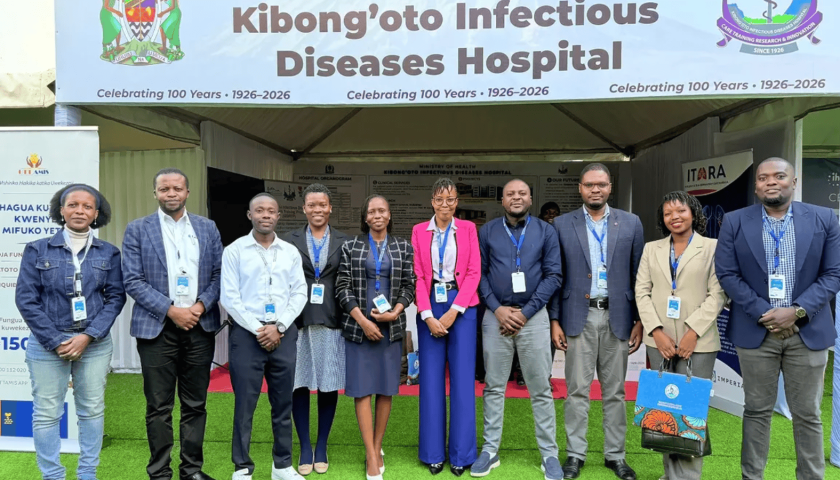
The institution dates back to 1926, when it was established as a tuberculosis sanatorium.
It later became Kibong’oto Infectious Diseases Hospital before its transformation into the Tanzania Infectious Diseases Institute.
The elevation comes as the institution marks its centenary in 2026, 100 years after it began providing specialised care for tuberculosis patients.
Sign up HEREto receive our email newsletters with the latest news and insights from Africa and around the world, and follow us on LinkedInfor updates.



Be the first to leave a comment