
Kenya to host Health Summit 2026 at KICC to assess national UHC progress
The summit will examine reforms covering healthcare financing, primary and specialised care, health commodities, digital health, the health workforce, and maternal and newborn health.
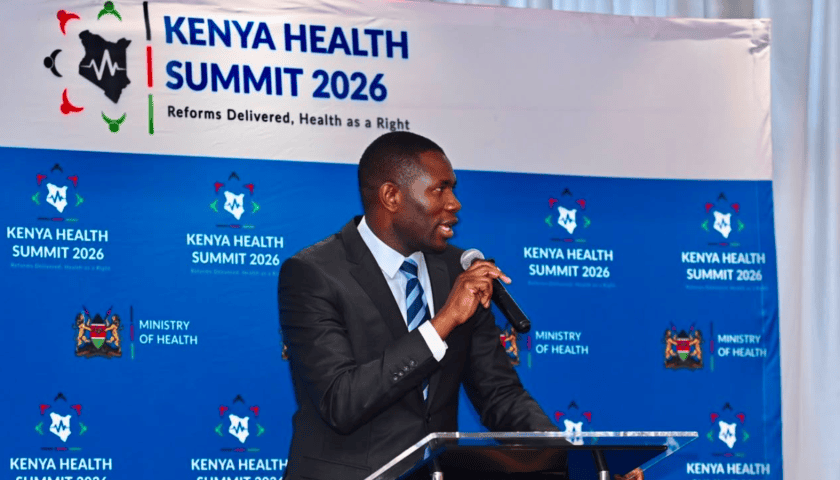
KENYA—Kenya will host the Kenya Health Summit 2026 on August 18 and 19 at the Kenyatta International Convention Centre (KICC) in Nairobi, bringing together government leaders, healthcare professionals, development partners, private-sector players and citizens to assess progress in health-sector reforms.
Held under the theme “Reforms Delivered, Health as a Right,” the two-day summit will be presided over by President William Ruto, according to the Ministry of Health.
It will provide a platform for the government to report on progress in transforming healthcare under the Bottom-Up Economic Transformation Agenda and outline priorities for the next phase of Universal Health Coverage.
Health reforms and UHC
The summit will examine reforms covering healthcare financing, primary and specialised care, health commodities, digital health, the health workforce, and maternal and newborn health.
Among the milestones to be showcased is the Kenya Medical Supplies Authority’s fill rate of more than 90 per cent, alongside expanded specialised services through the National Equipment Service Programme.
The government will also highlight the registration of more than 31.2 million Kenyans with the Social Health Authority (SHA).
Through the Taifa Care Model, the government is seeking to improve access to quality healthcare regardless of income, location or circumstances.
SHA has processed nearly 7.9 million claims and paid approximately KSh164 billion (US$1.27 billion).
Registered Kenyans can also access services at Level 2, 3 and 4 facilities through the Primary Healthcare Fund without making payments at the point of care.
Digital health and community care
The summit will also examine how digital health can improve transparency, accountability and service delivery across the health system.
In addition, discussions will highlight the role of more than 107,000 Community Health Promoters, who provide preventive, promotive and basic healthcare services at household level through 277 Primary Care Networks.
The government is also investing in local pharmaceutical manufacturing, essential medicines, medical equipment and health infrastructure to strengthen the availability of healthcare services and supplies.
Public-health preparedness will feature through discussions on emergency operations centres, disease surveillance and field epidemiology.
Meanwhile, the National Ambulance Dispatch Centre and toll-free 922 emergency line provide a coordinated mechanism for accessing emergency medical services regardless of location or SHA registration status.
Maternal and newborn health
Maternal and newborn health will receive particular attention through the Every Woman Every Newborn Everywhere initiative. The government also plans to deploy an additional 5,000 nurses and midwives to strengthen maternity services and reduce preventable maternal and newborn deaths.
The summit will bring together national and county governments, regulatory agencies, referral hospitals, healthcare professionals, development partners and other health-sector stakeholders.
It will conclude with a Town Hall session moderated by President Ruto, where Kenyans will have an opportunity to share their experiences, raise concerns and state their expectations for the country’s health system.
The Ministry of Health said the reforms must deliver tangible benefits, including safer maternity care, reduced financial hardship for patients and quality healthcare closer to where families live.


Be the first to leave a comment