
WHO concludes Eighth IGWG negotiations ahead of September 2026 UN Summit
The five-day meeting in Geneva focused on developing the Pathogen Access and Benefit-Sharing (PABS) annex to the WHO Pandemic Agreement, with governments working towards a system that is practical, equitable and feasible to implement.
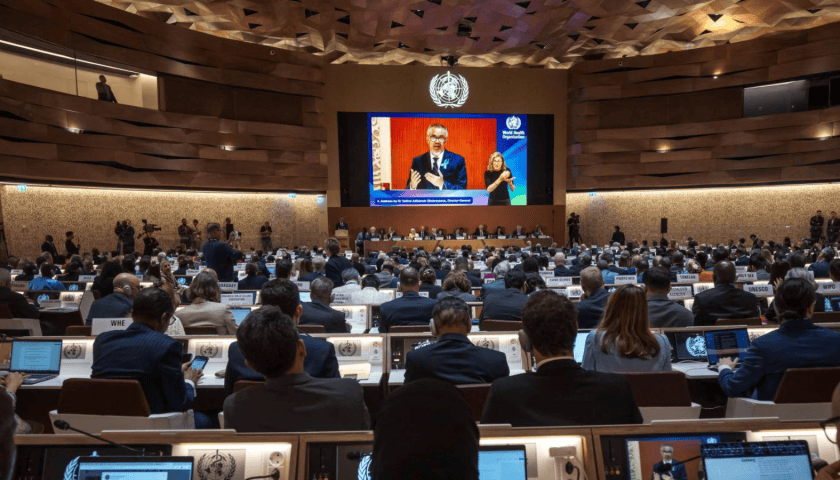
SWITZERLAND—Member States of the World Health Organization (WHO) have concluded the eighth meeting of the Intergovernmental Working Group (IGWG), making progress on negotiations for a proposed system to ensure equitable access to pathogens and the benefits arising from their use.
The five-day meeting in Geneva focused on developing the Pathogen Access and Benefit-Sharing (PABS) annex to the WHO Pandemic Agreement, with governments working towards a system that is practical, equitable and feasible to implement.
Negotiations focus on equitable access
The PABS annex is a central component of the WHO Pandemic Agreement, which the World Health Assembly adopted in 2025.
It seeks to facilitate the rapid sharing of materials and genetic sequence information from pathogens with pandemic potential.
In return, the system aims to ensure that countries share the benefits arising from the use of these resources, including vaccines, therapeutics and diagnostics, in a timely, fair and equitable manner.
The negotiations come as governments prepare for the Second United Nations General Assembly High-Level Meeting on Pandemic Prevention, Preparedness and Response, scheduled for 25 September 2026 in New York.
The meeting is expected to bring together heads of state and government to strengthen political commitment to preventing and responding to future pandemics.
Its proposed political declaration calls for the timely completion of the PABS annex, among other priorities.
WHO highlights need for urgent action
WHO Director-General Dr Tedros Adhanom Ghebreyesus said the progress made in Geneva brought countries closer to fulfilling their commitment to strengthen global preparedness following the COVID-19 pandemic.
“We made a promise after COVID-19 that we would not leave the world as vulnerable to the next pandemic as it was to the last,” said Dr Tedros.
He added that the progress made during the negotiations underscored the need for commitment, cooperation and urgency as world leaders prepare for the United Nations meeting.
Dr Tedros also stressed that completing the PABS annex would strengthen the world’s collective defences against future pandemic threats.
Finalizing the annex would allow countries to sign and consider ratifying the Pandemic Agreement, establishing a framework for stronger international coordination and capacity to prevent, prepare for and respond to future pandemics.
Member States reaffirm commitment
Ambassador Tovar da Silva Nunes of Brazil, co-Chairperson of the IGWG Bureau guiding the negotiations, said Member States had reaffirmed their commitment to completing the annex and improving equitable access to the tools needed to protect the world from future pandemics.
“The progress achieved this week provides a strong direction for the weeks ahead and brings us closer to an equitable and effective system,” he said.
During the meeting, Member States also elected Dr Ahmed Al Mandhari, Undersecretary for Planning and Health Regulation at Oman’s Ministry of Health, as an IGWG Vice-Chair.
He joins the existing Vice-Chairs, Ambassador Vuyile Dlamini of Eswatini and Dr Viroj Tangcharoensathien of Thailand.

Be the first to leave a comment