Africa CDC collaborates with WHO to launch US$518M Joint Plan to combat Ebola Bundibugyo outbreak
The plan targets key pillars of outbreak control, including emergency coordination, disease surveillance, laboratory diagnostics, infection prevention and control, and clinical case management.
Published
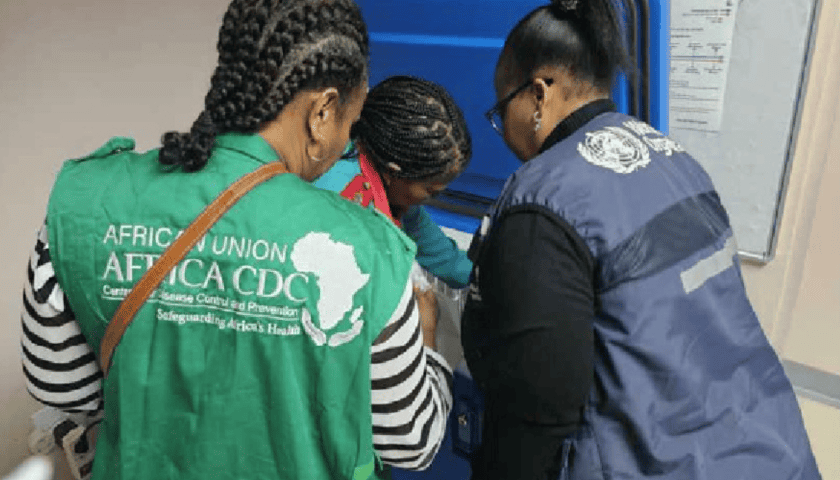
AFRICA—The Africa Centres for Disease Control and Prevention (Africa CDC) and the World Health Organization (WHO) have launched a joint continental preparedness and response plan to address the ongoing Ebola outbreak caused by the Bundibugyo virus.
The initiative brings together African governments and global partners under a coordinated framework designed to strengthen early detection, rapid response, and containment measures across affected and at-risk countries.
The six-month plan, running from June to November 2026, seeks to mobilize US$518 million to support emergency operations and reinforce health system readiness.
It aligns national efforts under a unified “One Response” approach, ensuring that countries operate with shared priorities and coordinated technical support.
Funding priorities and operational focus
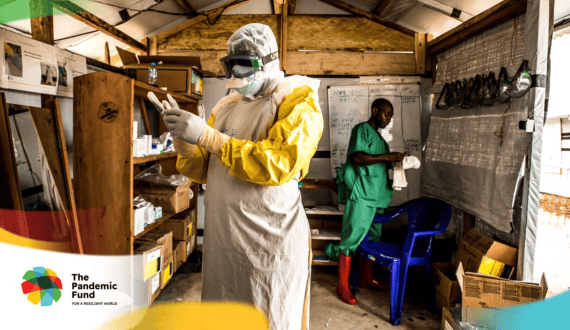
The plan targets key pillars of outbreak control, including emergency coordination, disease surveillance, laboratory diagnostics, infection prevention and control, and clinical case management.
It also emphasizes community engagement, logistics support, research activities, and continuity of essential health services during the response period.
In addition, the strategy places strong emphasis on strengthening cross-border coordination and protecting vulnerable populations, particularly in high-risk transmission zones.
Authorities aim to strengthen preparedness in at least 10 priority countries by improving early warning systems, accelerating case detection, and implementing rapid containment measures.
Alignment with national response efforts
The continental framework complements existing national response plans led by the governments of the Democratic Republic of the Congo and Uganda, where operational activities are already underway.
Health authorities, supported by Africa CDC and WHO partners, have intensified field surveillance, contact tracing, and community outreach to limit further spread of the virus.
At the same time, response teams are working to ensure that ongoing health emergencies, including mpox, cholera, and measles, continue to receive attention, preventing disruptions to broader public health services and safeguarding system resilience.
Leadership emphasizes unity and community trust
WHO Director-General Dr Tedros Adhanom Ghebreyesus stressed that ending the outbreak depends on coordinated global action under the leadership of affected countries.
He noted that success requires a unified approach built on a single plan, shared financing, and collective implementation, while highlighting the central role of community trust in sustaining contact tracing and safe care practices.
Africa CDC Director-General Dr Jean Kaseya underscored the urgency of the response, noting that rapid transmission requires an equally fast and coordinated continental effort.
He emphasized that the plan translates commitments into actionable interventions, ensuring that resources directly reach communities at risk.
Strengthening preparedness and regional coordination
The joint strategy also calls for enhanced screening at points of entry, improved information sharing between neighboring countries, and stronger collaboration on surveillance systems.
While no licensed vaccines or specific therapeutics currently exist for the Bundibugyo strain of Ebola, the plan prioritizes strengthening health systems to improve resilience during and beyond the outbreak period.
Implementation activities have already begun across several countries, with intensified preparedness measures underway in high-risk regions.
Health authorities continue to scale up operational readiness while reinforcing coordination mechanisms to ensure timely and evidence-based response actions across the continent.
Sign up HEREto receive our email newsletters with the latest news and insights from Africa and around the world, and follow us on LinkedInfor updates.



Be the first to leave a comment